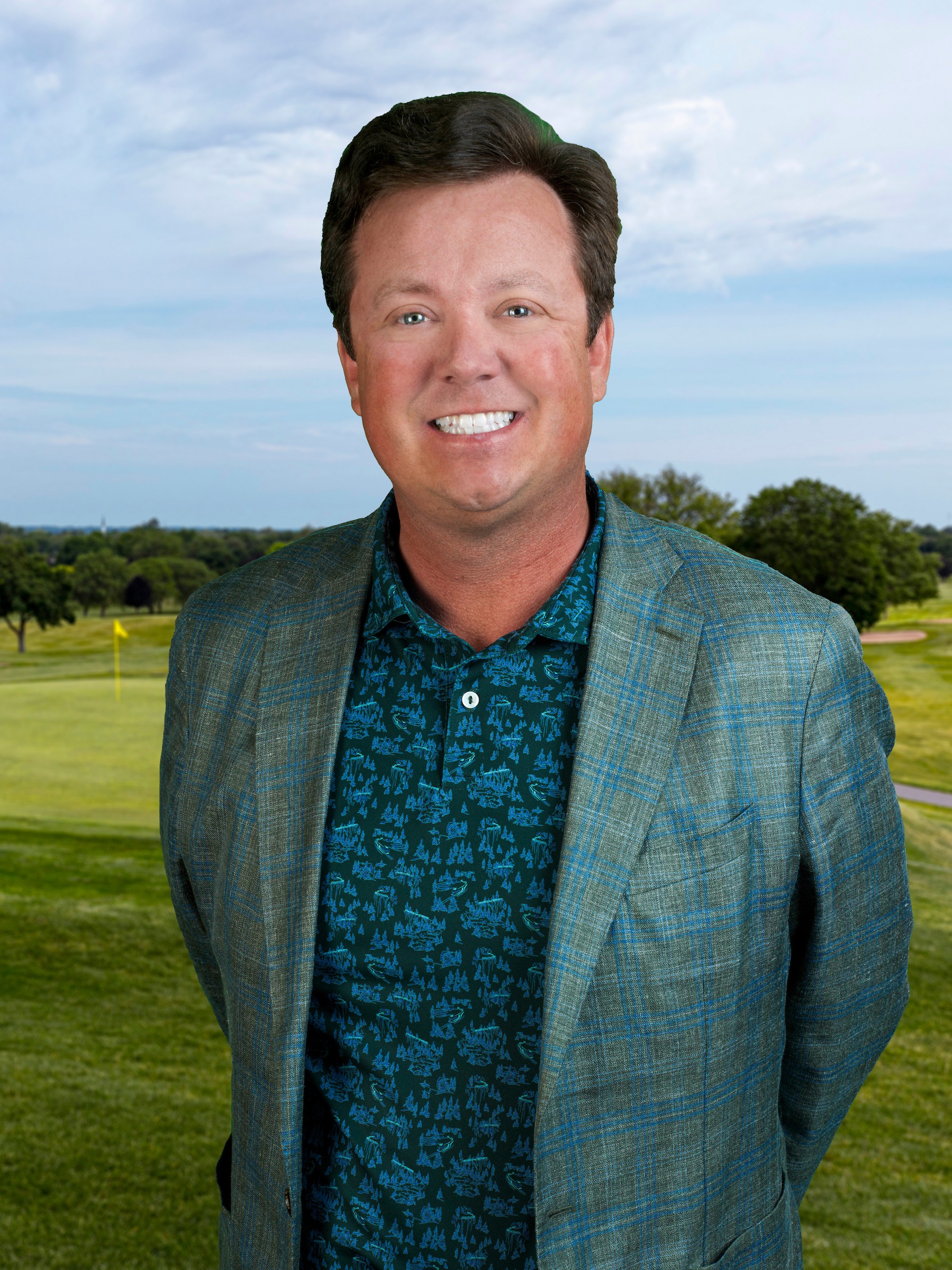
 Five years into his tenure at Kent Country Club (Grand Rapids, Mich.), Ward Sutton, MCM, CCE, PGA Master Professional and General Manager, is guiding a deliberate plan to strengthen the club’s infrastructure while preserving its culture of access. Through steady capital investment, open communication with members and a focus on developing future leaders, Sutton is working to ensure the club continues to evolve in a sustainable way. In this conversation, he discusses investment pacing, mentorship and the value of collaboration across professional associations.
Club + Resort Business (C+RB): You have been at Kent Country Club for five years. How would you describe the club today?
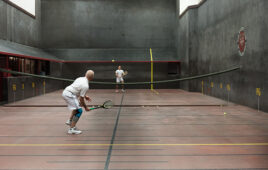
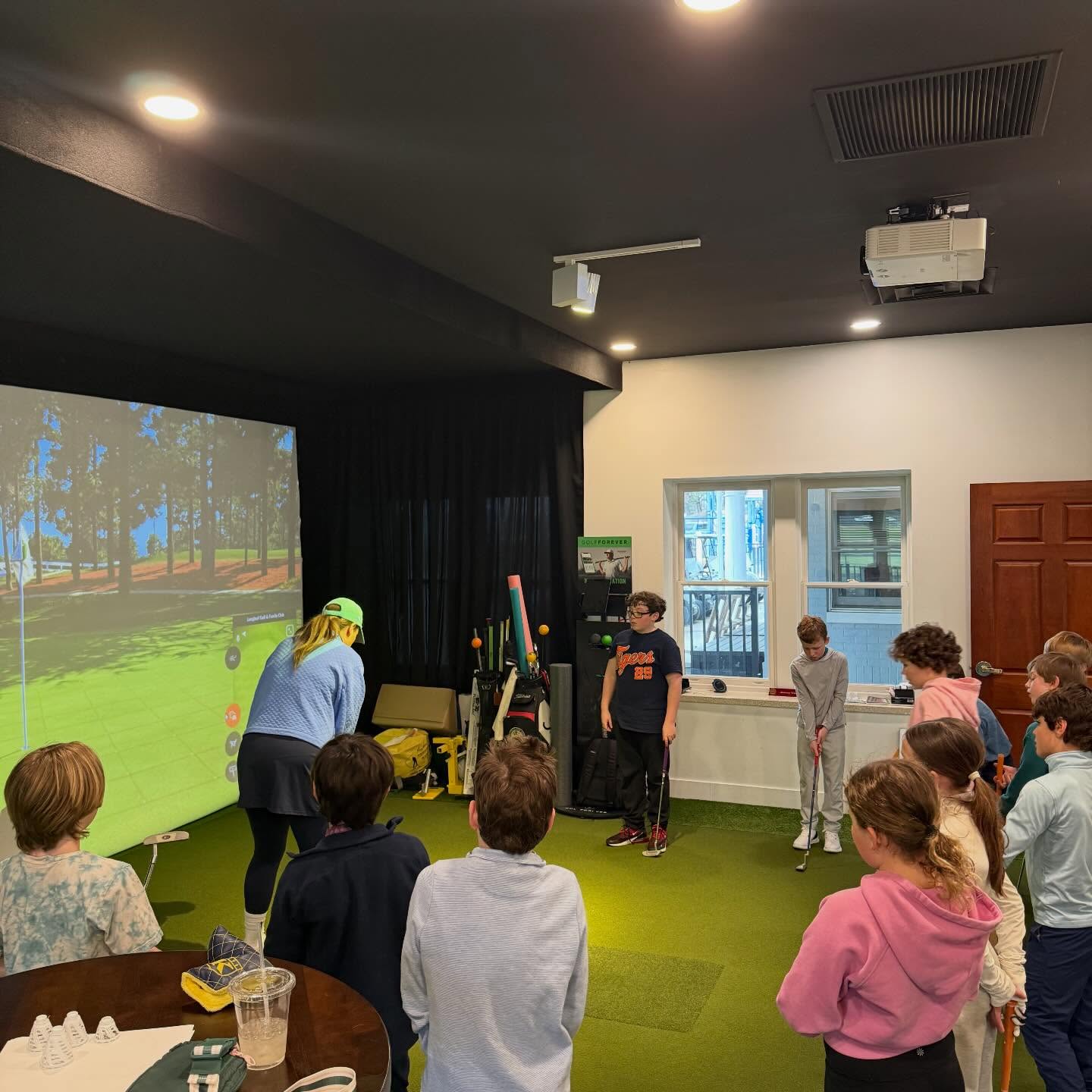
Ward Sutton (WS): Kent is a historic club that was established in 1896. It is very golf and family-focused. We have racquet sports, platform tennis, swimming and simulators. When I arrived, the club had experienced a decline coming out of the recession, so one of my primary focuses has been improving the property and investing appropriately in the physical plant.
We completed a 2.3 million assessment in 2022 and we are planning another assessment of approximately 1.8 million. We have also been investing about 1.2 million annually to maintain and improve the facilities.


C+RB: How do you build support for capital improvements that take place over time?
WS: No matter what we do, we are not going to make everyone happy. Some members want to improve everything quickly. Some do not want assessments. Others would prefer to take on debt and accelerate improvements.
My approach is to be available and honest. I had a conversation this morning with a member who could not attend our town hall meeting. I spent five minutes explaining the plan and answering questions. I try to provide clear information so members understand the options and the tradeoffs.
C+RB: How do you ensure your leadership team is aligned with that strategy?
WS: I probably include my staff more in governance topics than most general managers. Everyone on my team is on a career track. If they are not trying to advance, then I want them to be the best at what they do.
The more exposure they have to decision-making, the better prepared they are for the future. I share information openly in staff meetings, so they understand the context behind decisions.
C+RB: Mentorship seems to be a major focus for you. How did that develop?
WS: I look at it as success versus significance. The things I accomplish at the club are a source of success. The impact I can have on others represents significance.
I have learned that the more you give, the more you receive. Being part of someone else’s success is the most satisfying part of what I do.
I will be teaching Hospitality Management at Michigan State University beginning in 2027, and I have been involved with educational programming there for several years.
C+RB: What is next for the club from a capital standpoint?
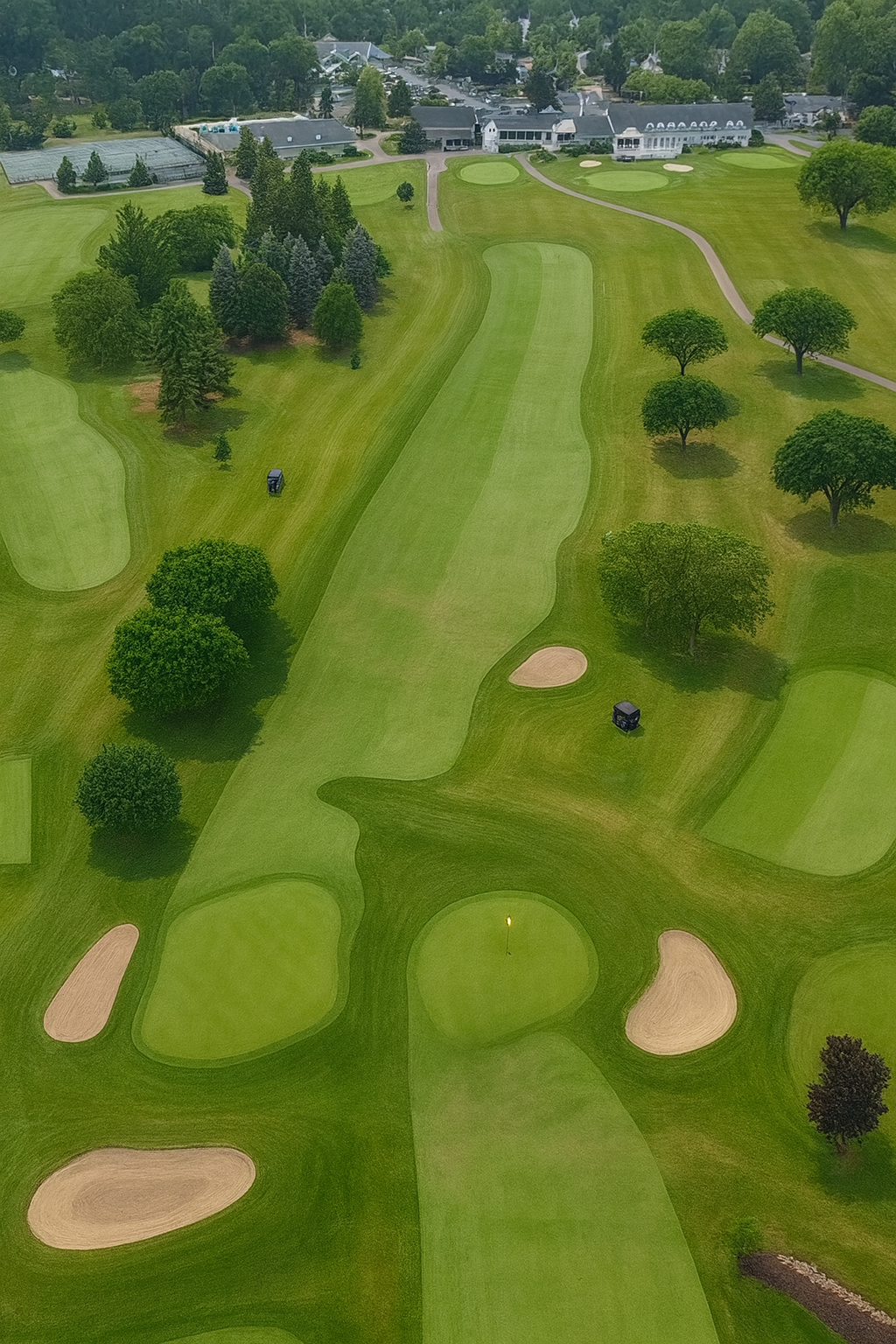
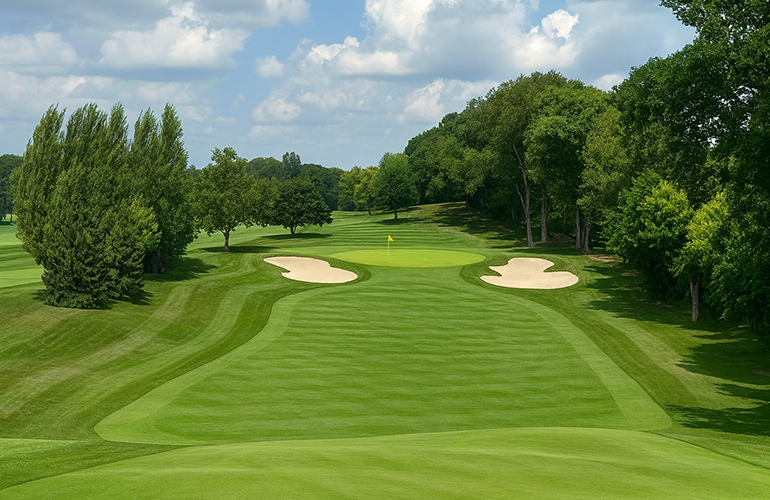
WS: We are hoping to move forward with a golf course improvement plan that includes bunker renovation, green surround improvements and modifications to improve pin placement flexibility on one green.
Our membership values access, so we will complete the work in phases rather than closing the course. We do not use tee times, so maintaining availability is important to our culture.
 C+RB: How has member usage evolved in recent years?
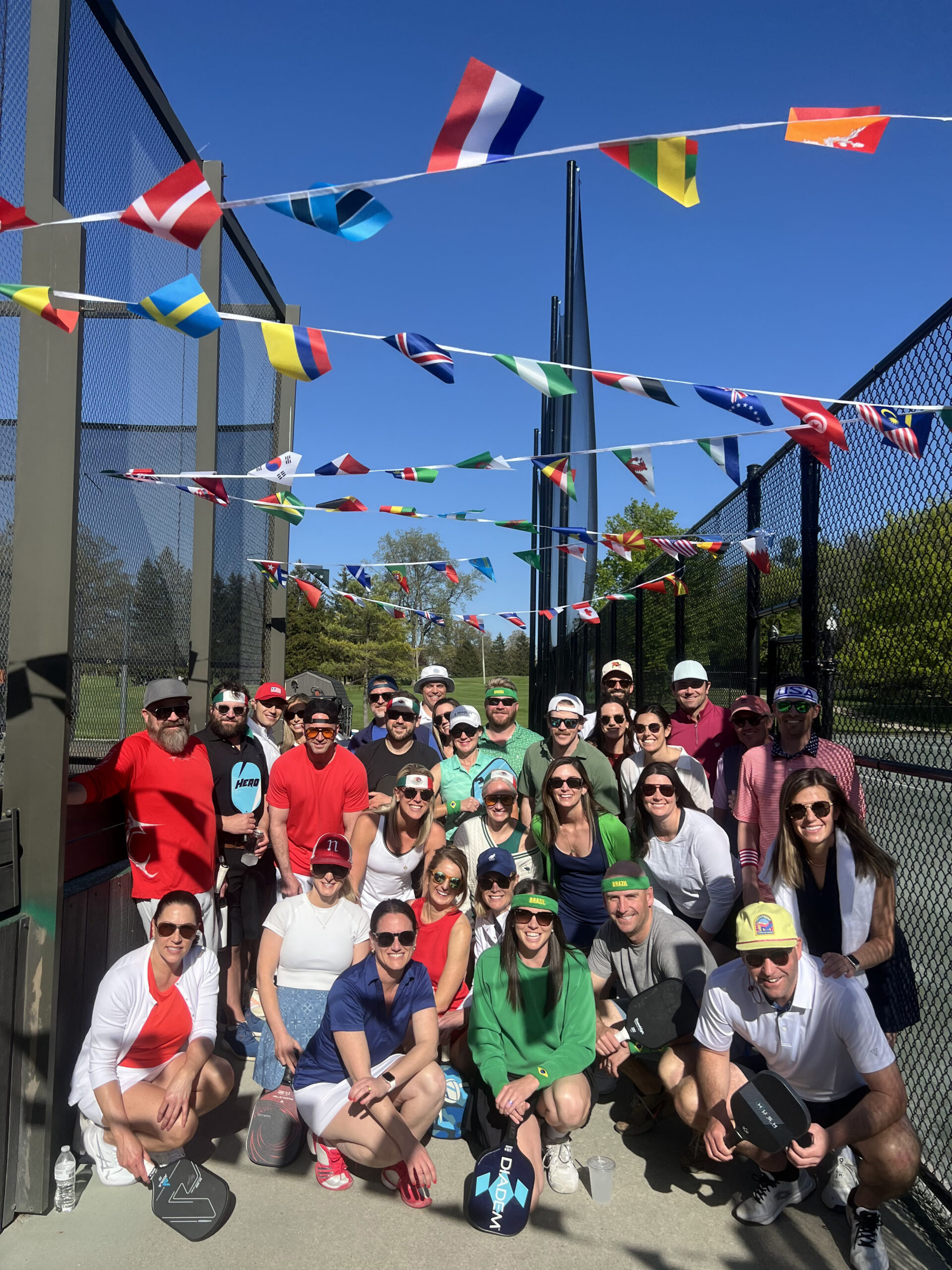
WS: We have seen increased engagement through amenities such as platform tennis and simulators. About 85 percent of our members spend part of the year away from Michigan, but winter programming has helped keep members connected.
We have expanded limited dining hours during the winter to serve those who remain in the area.
We are also planning to invest further in culinary leadership as we continue refining the overall member experience.
C+RB: You are also involved in efforts to bring professional associations closer together. What prompted that initiative?
WS: I serve as Secretary of the Michigan PGA and also work within the Club Management Association of America community. We opened our educational calendars to each other’s members without additional fees.
We are seeing more collaboration between PGA professionals and club management professionals. In Michigan, four of five recent general manager openings were filled by PGA members. Working together creates more opportunities for education and career growth.
C+RB: What is your long-term goal for Kent Country Club?
WS: We have addressed many major infrastructure needs over the past five years. The goal now is to maintain a consistent cycle of reinvestment so large catch-up projects are not necessary in the future.
Each year, the objective is to make steady progress and position the club for long-term stability.