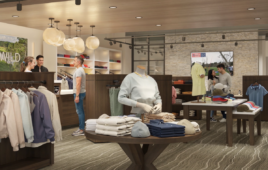
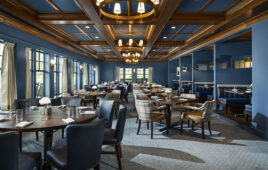
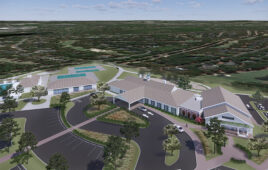
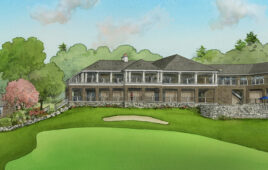
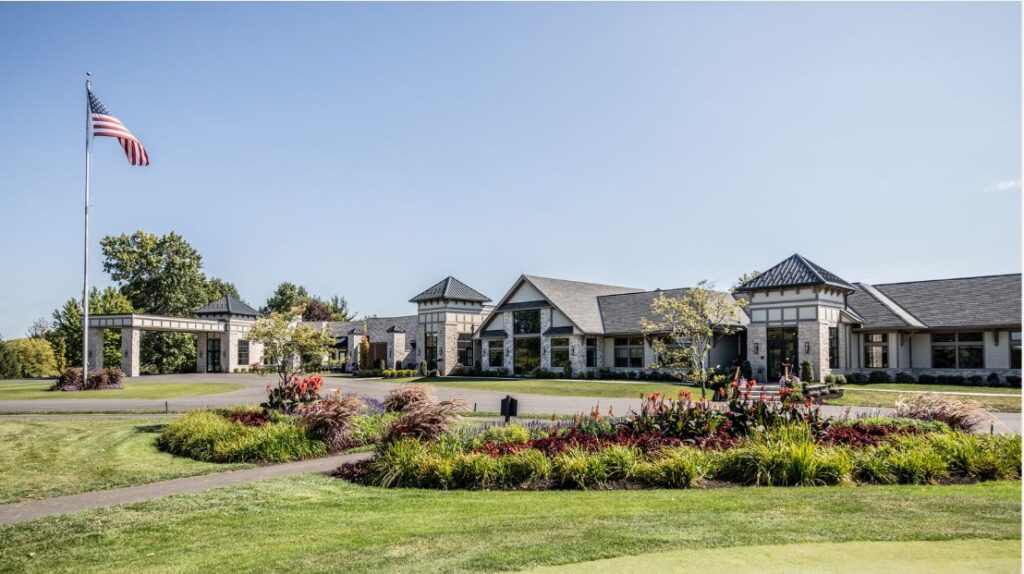
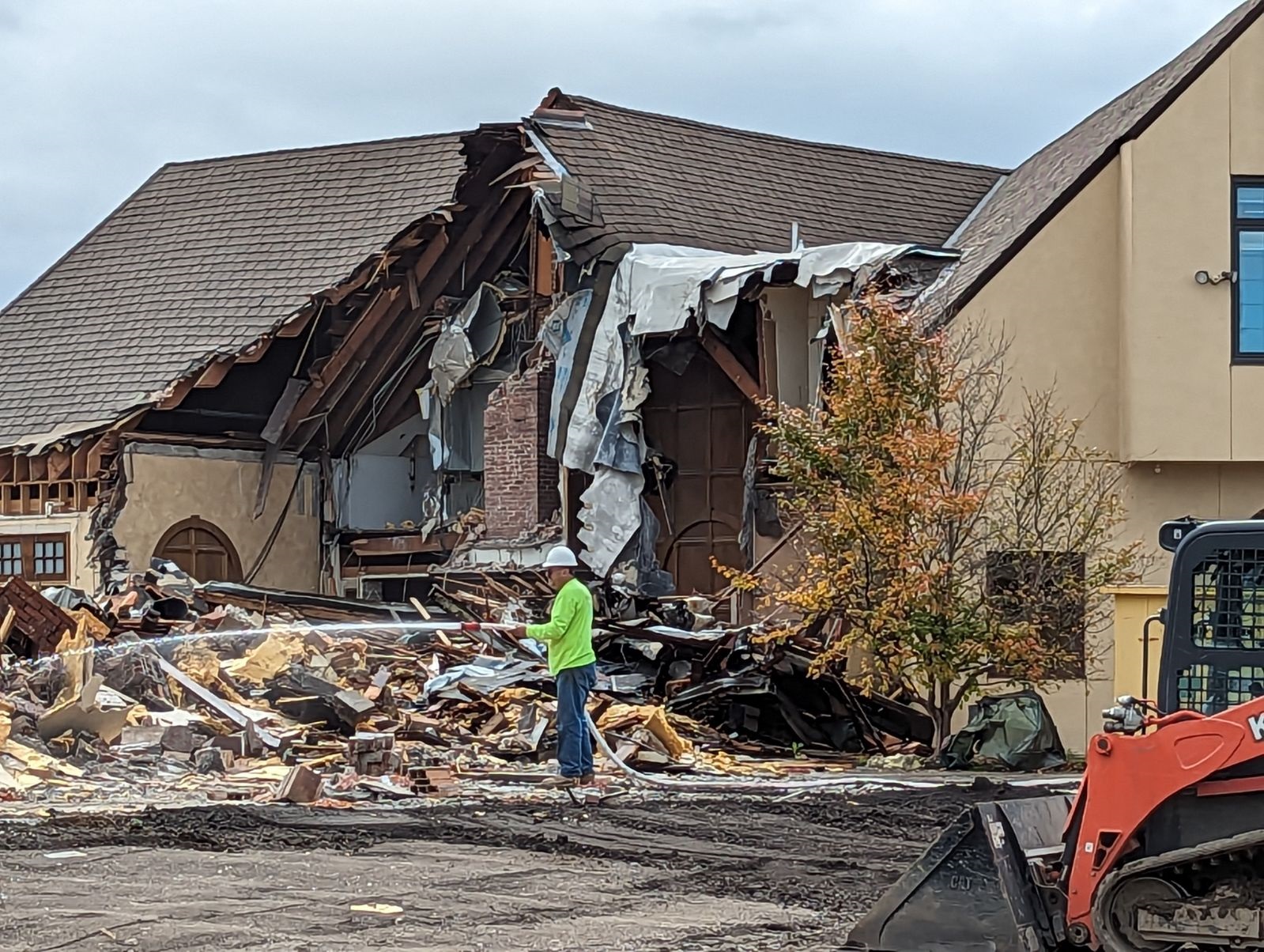
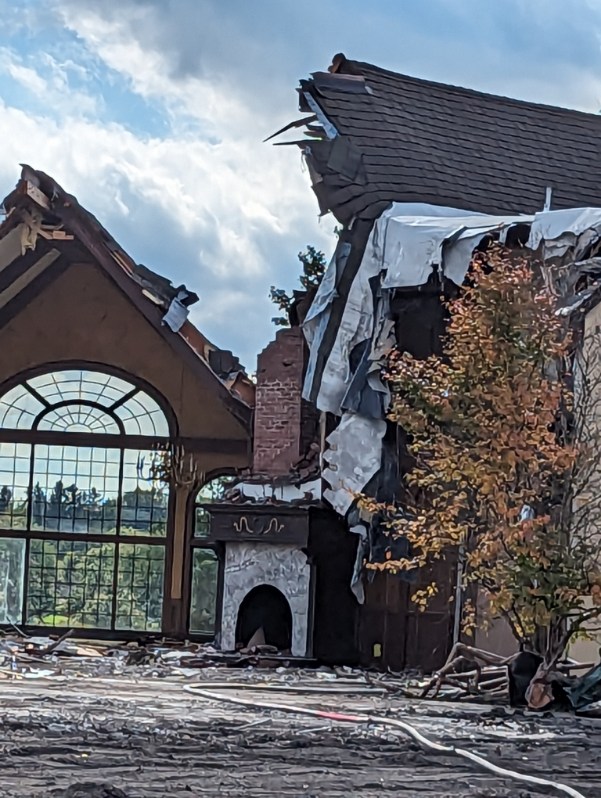
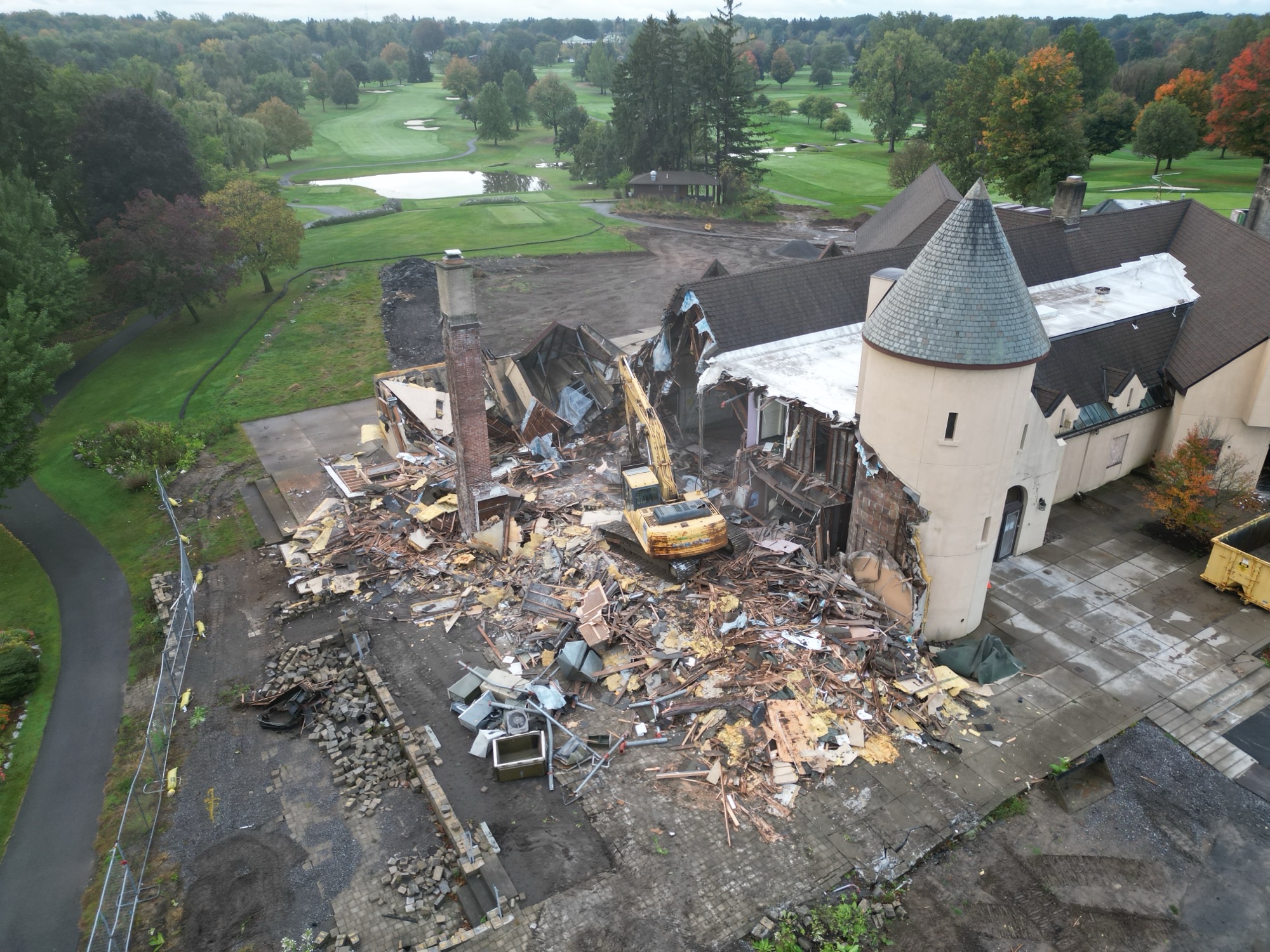
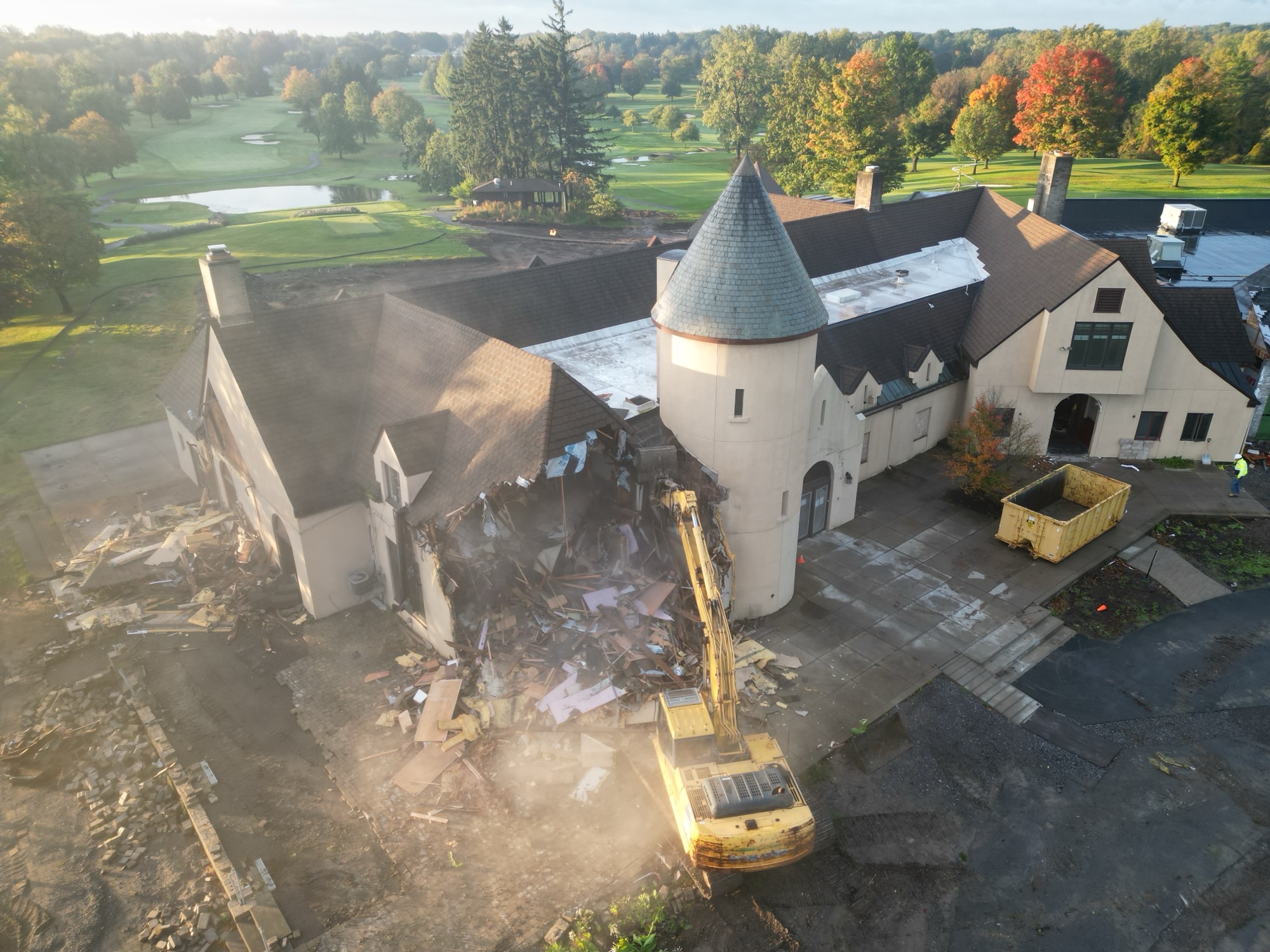
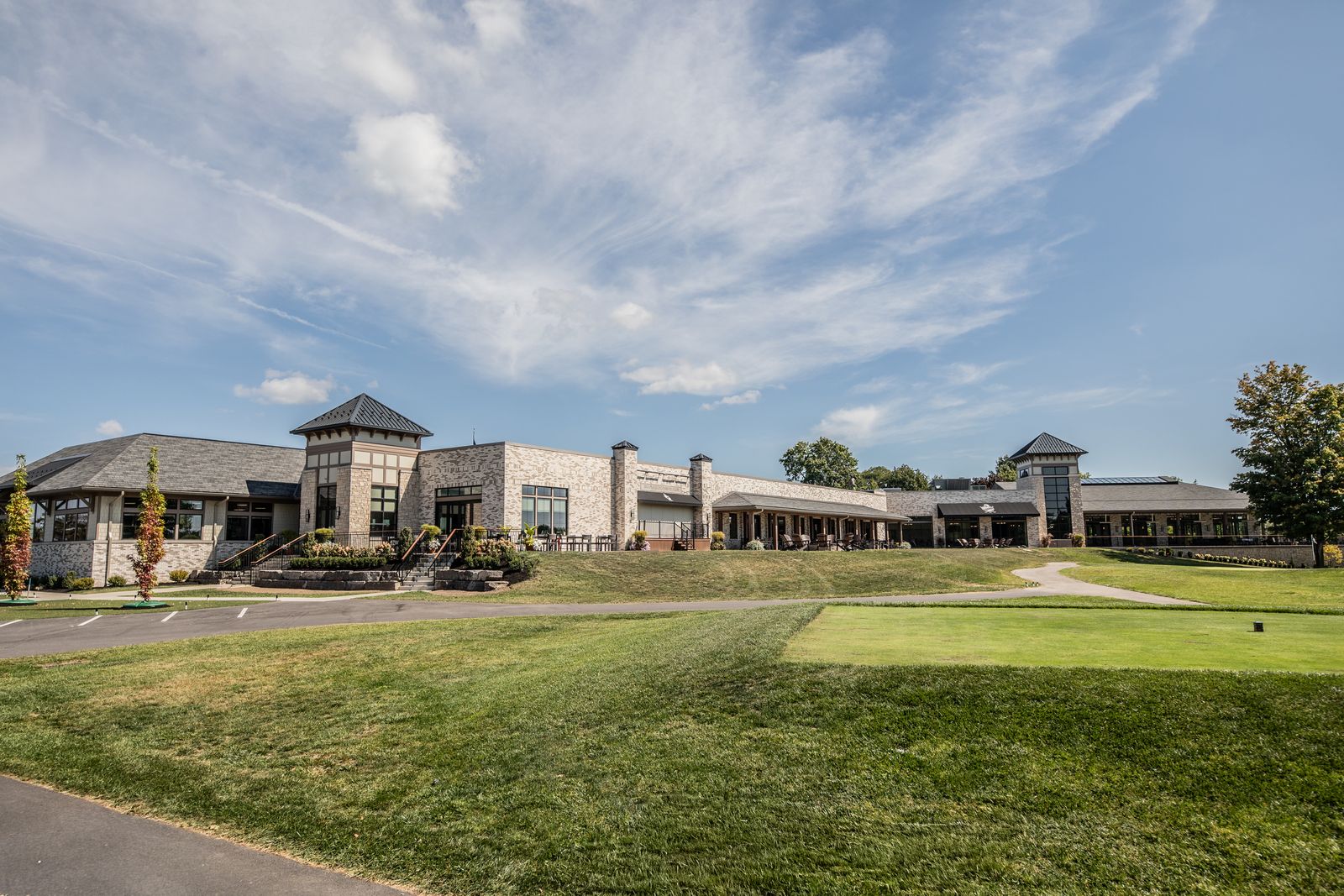
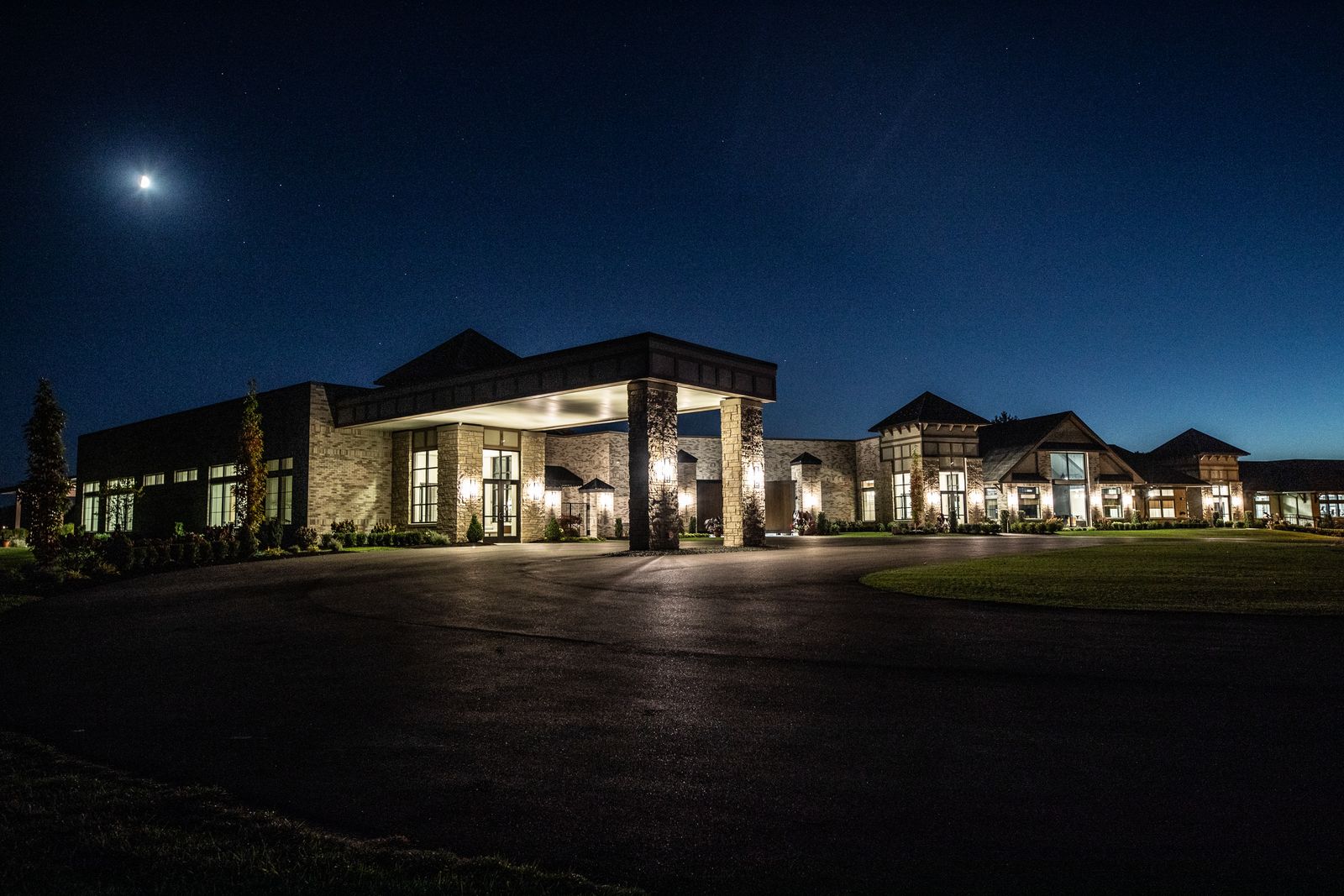
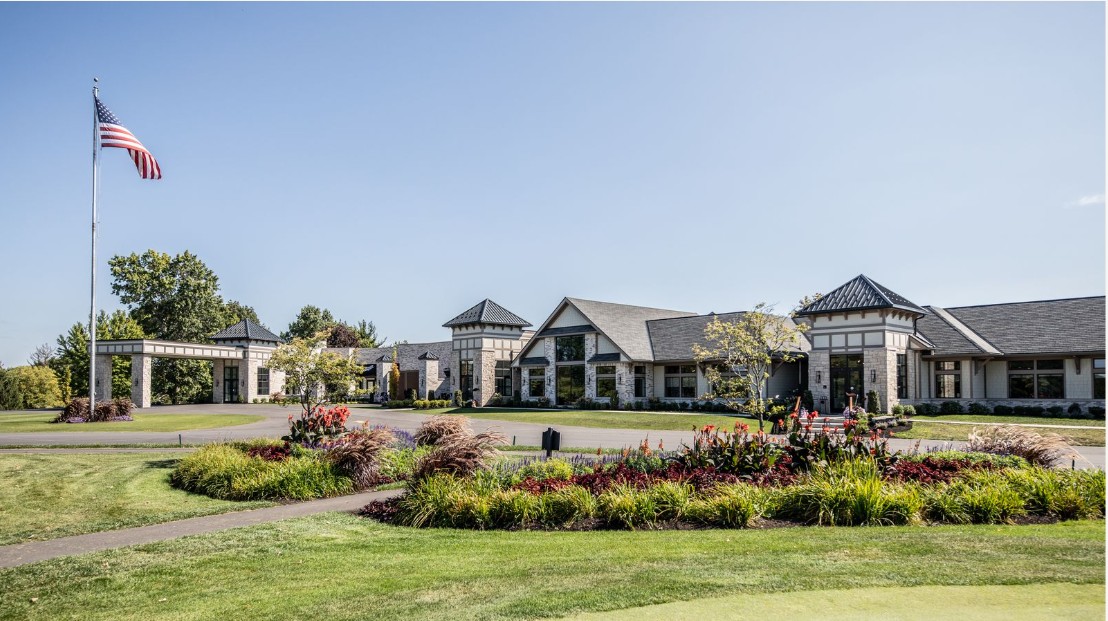
 Brookfield Country Club (Clarence, N.Y.) recently completed a $27.5 million clubhouse project that added nearly 50,000 square feet of renovated and newly constructed space. The project introduced new dining venues, wellness amenities, golf simulators, event spaces, and gathering areas while also reworking operational flow behind the scenes.
Club + Resort Business spoke with General Manager/COO Mark Maier about the vision behind the project, the decisions that shaped the final result, and what other club leaders can learn from the experience.
Club + Resort Business (C+RB): What was the primary goal of the project?

Mark A. Maier, General Manager/COO, Brookfield Country Club
Mark Maier: The primary goal was to remain competitive in an evolving market and ensure the long-term success of Brookfield. The prior facility was dated, deteriorating, and lacking current amenities.
We wanted to make the club more functional year-round with the goal of creating a lifestyle destination for multiple areas of interest. Modernizing the facility and creating amenities that appeal to both individuals and families has transformed Brookfield from an aging country club into a premier club with facilities and amenities that set new standards.
C+RB: The golf course already had a strong reputation. What opportunities did you see to enhance the rest of the member experience?
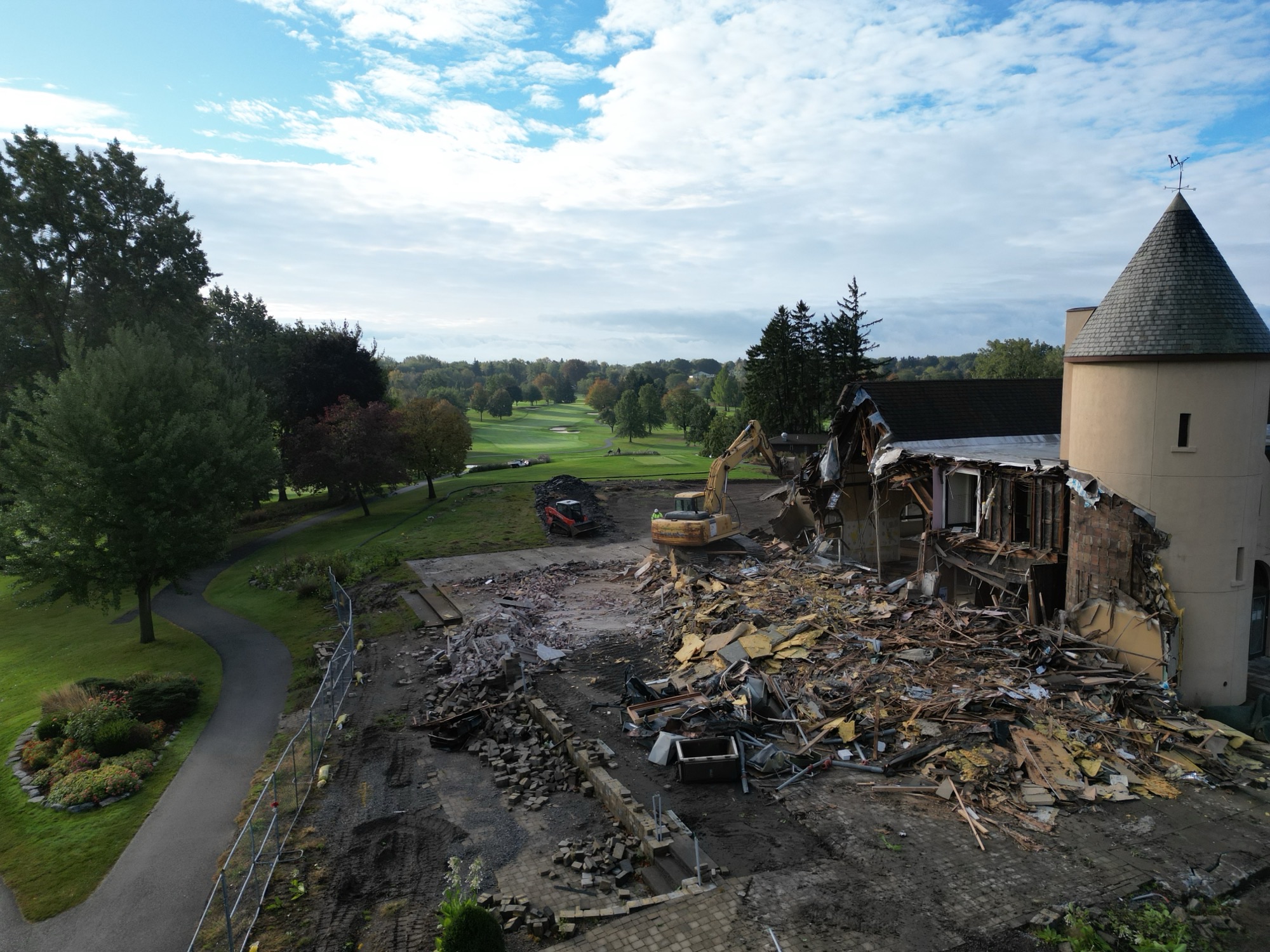
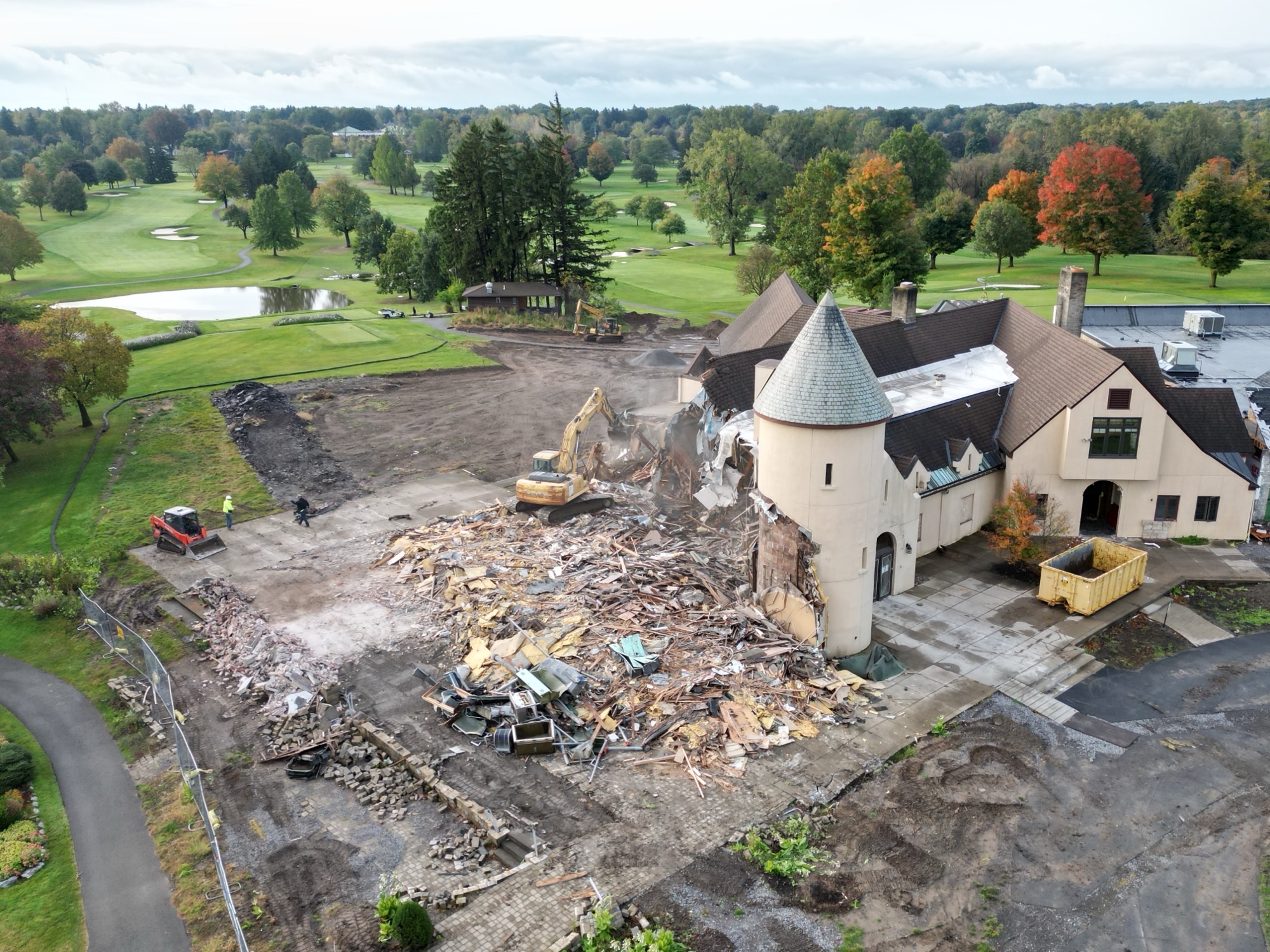
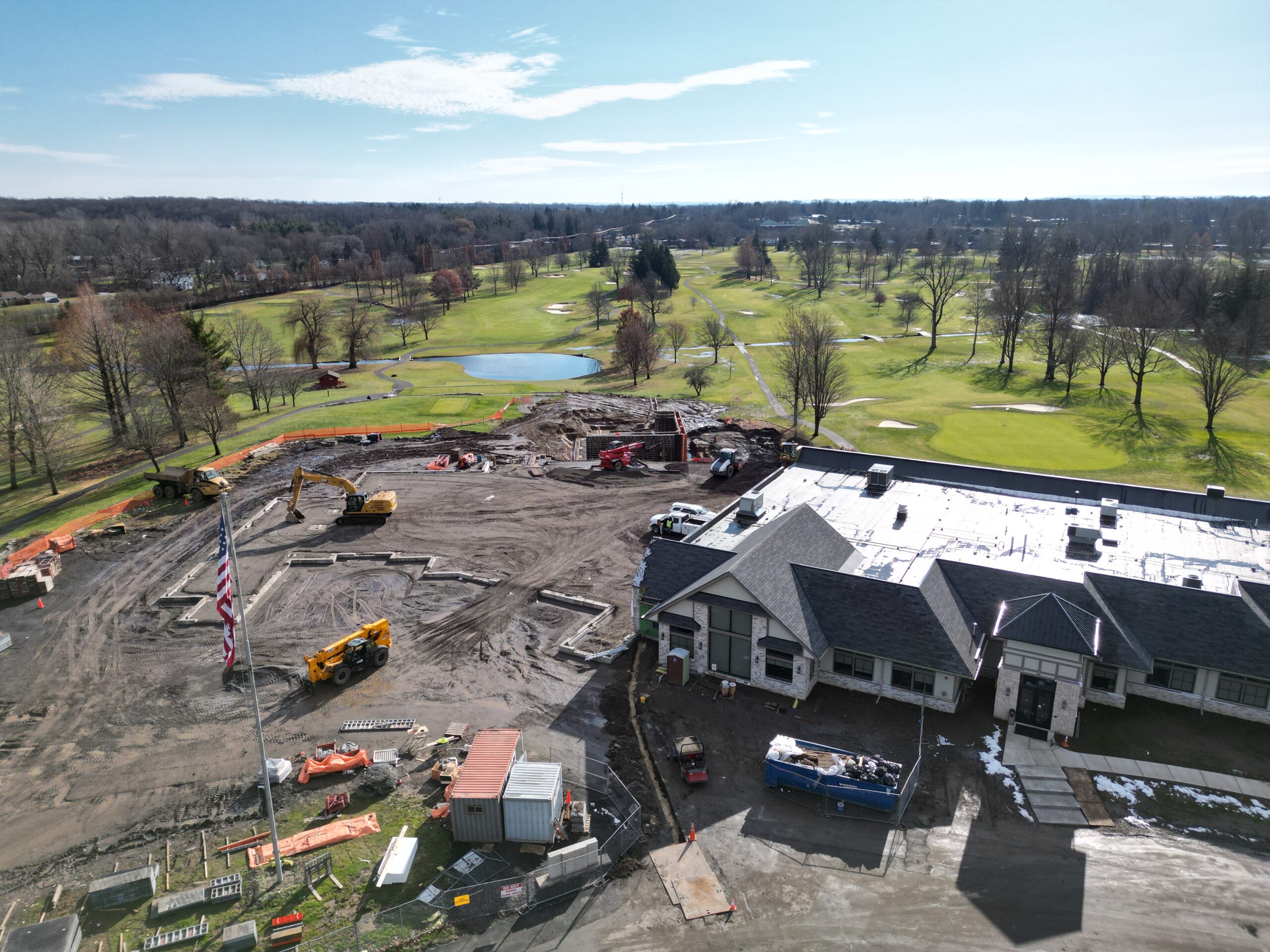
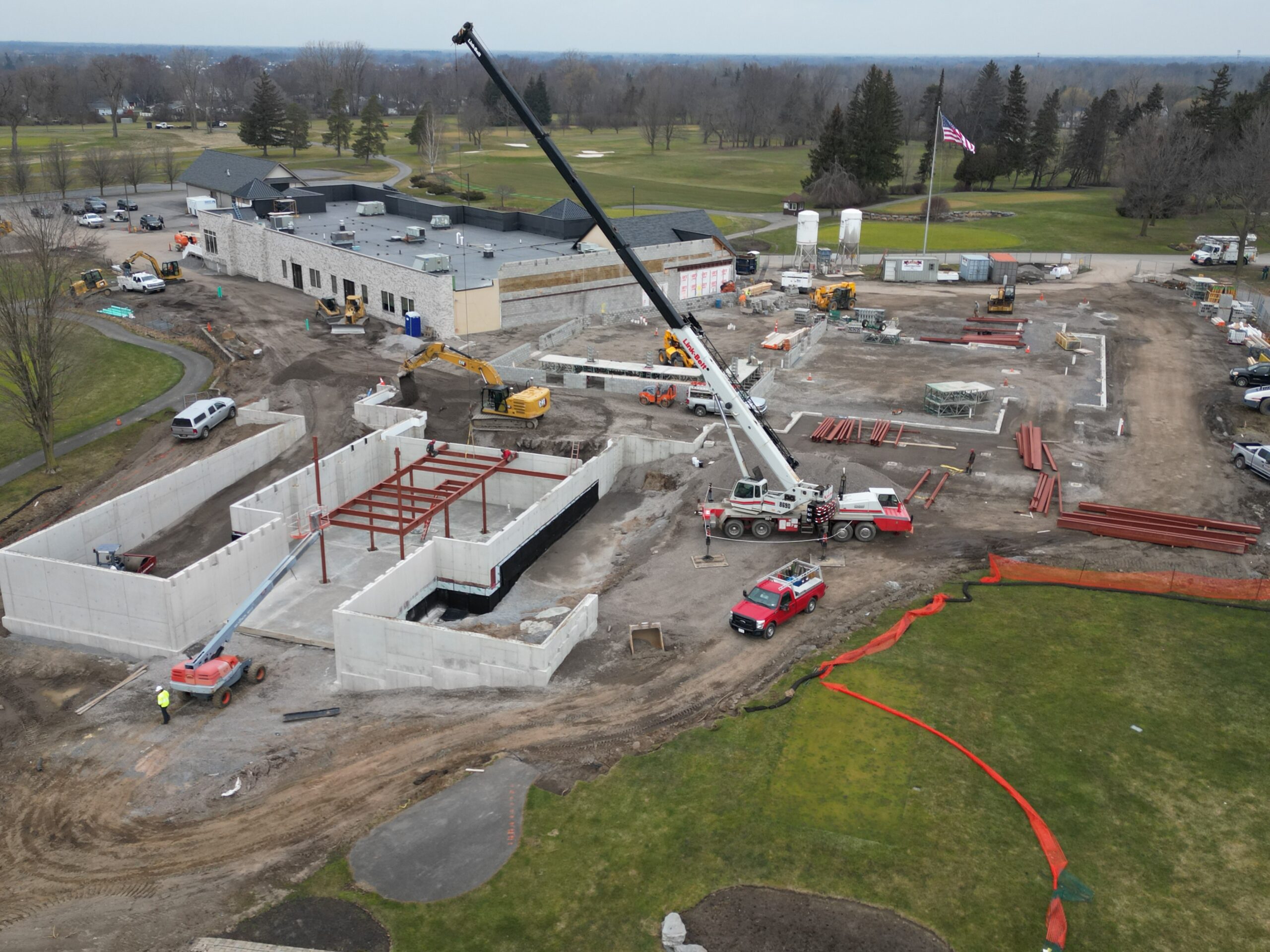
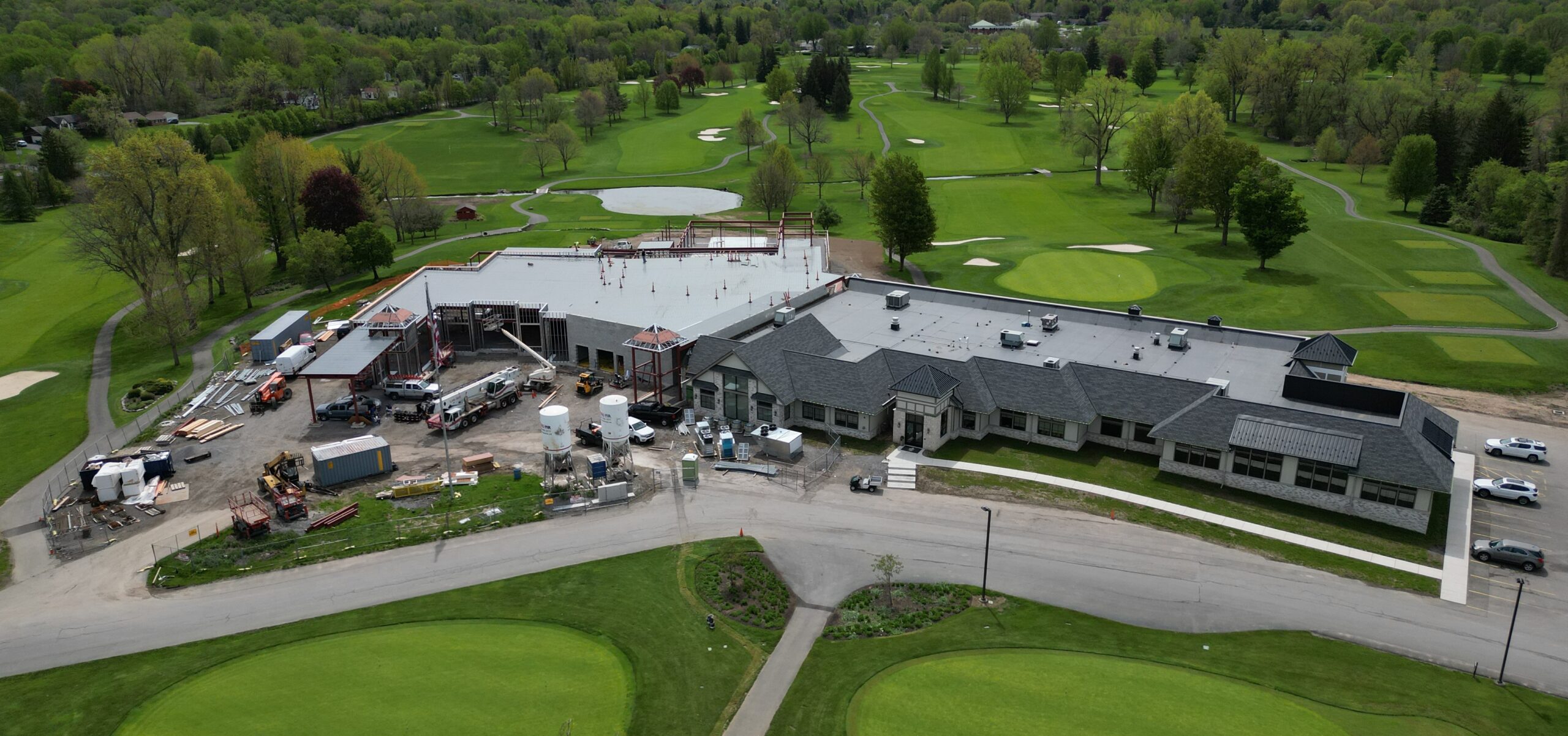
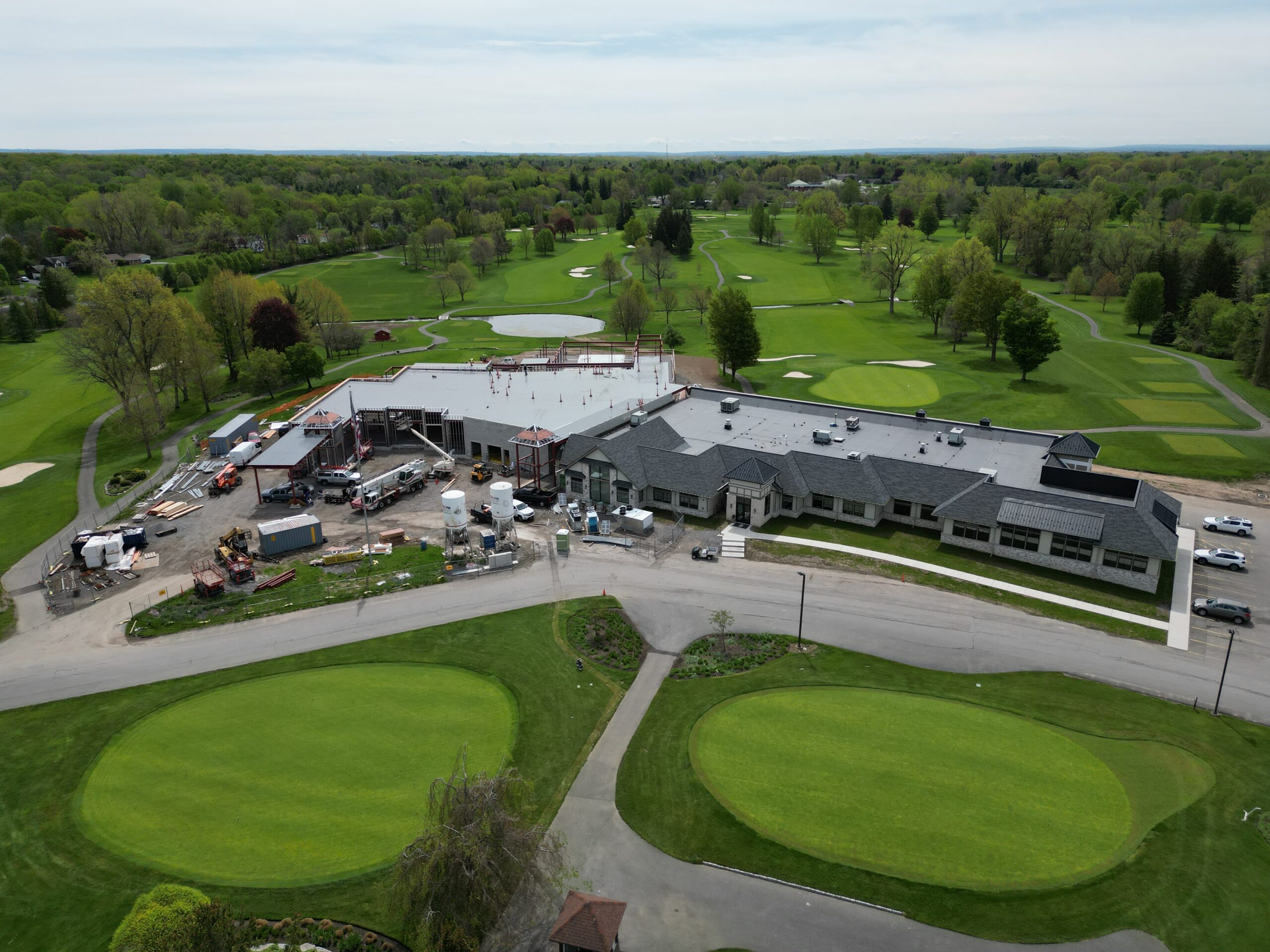
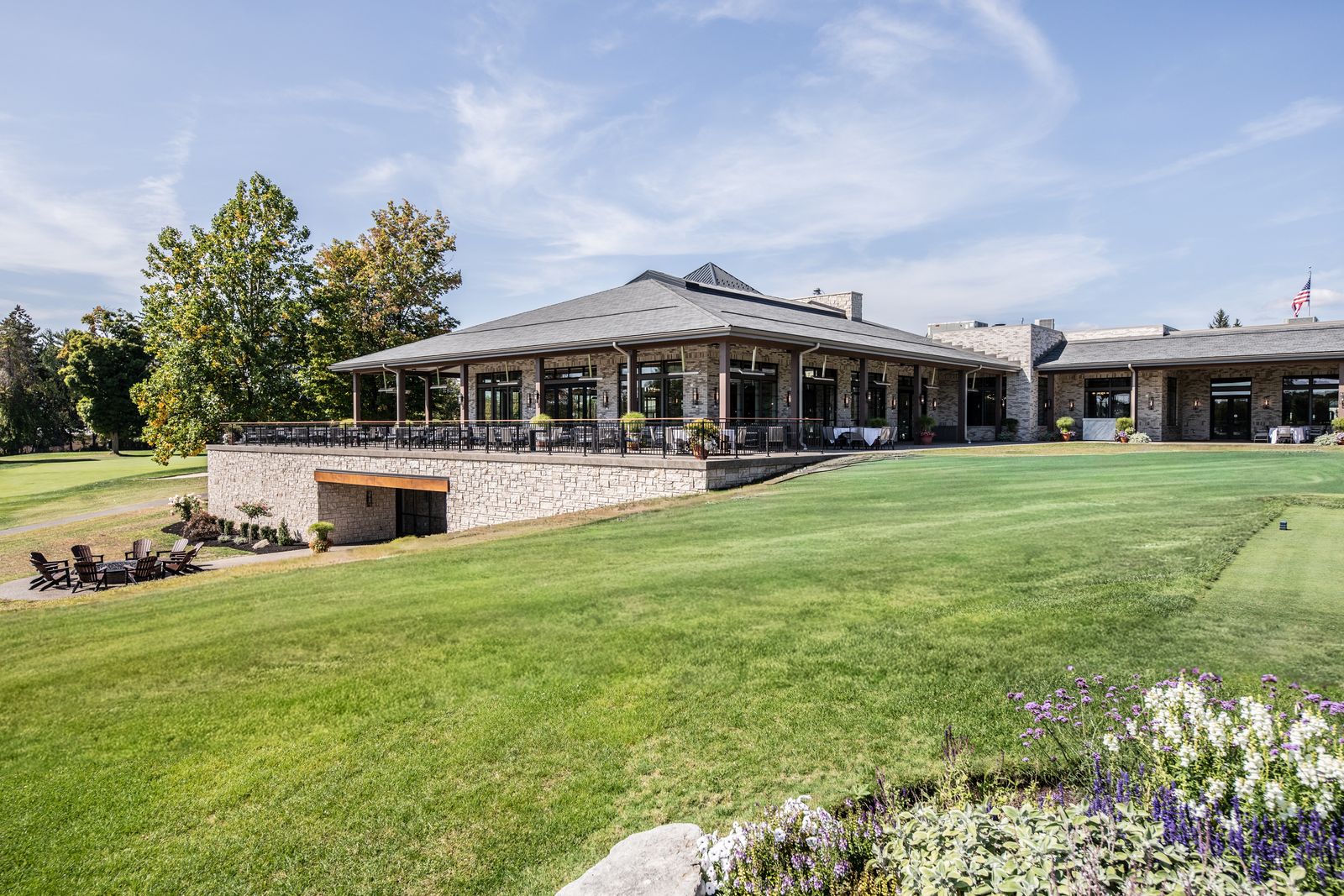
MM: The golf course was already a historic landmark in the area with strong appeal. By reorienting the club’s visual focus from the front parking area to the rear escarpment, modernizing the aesthetics of the building, and overhauling the landscaping around the entire facility, we increased member utilization and satisfaction.
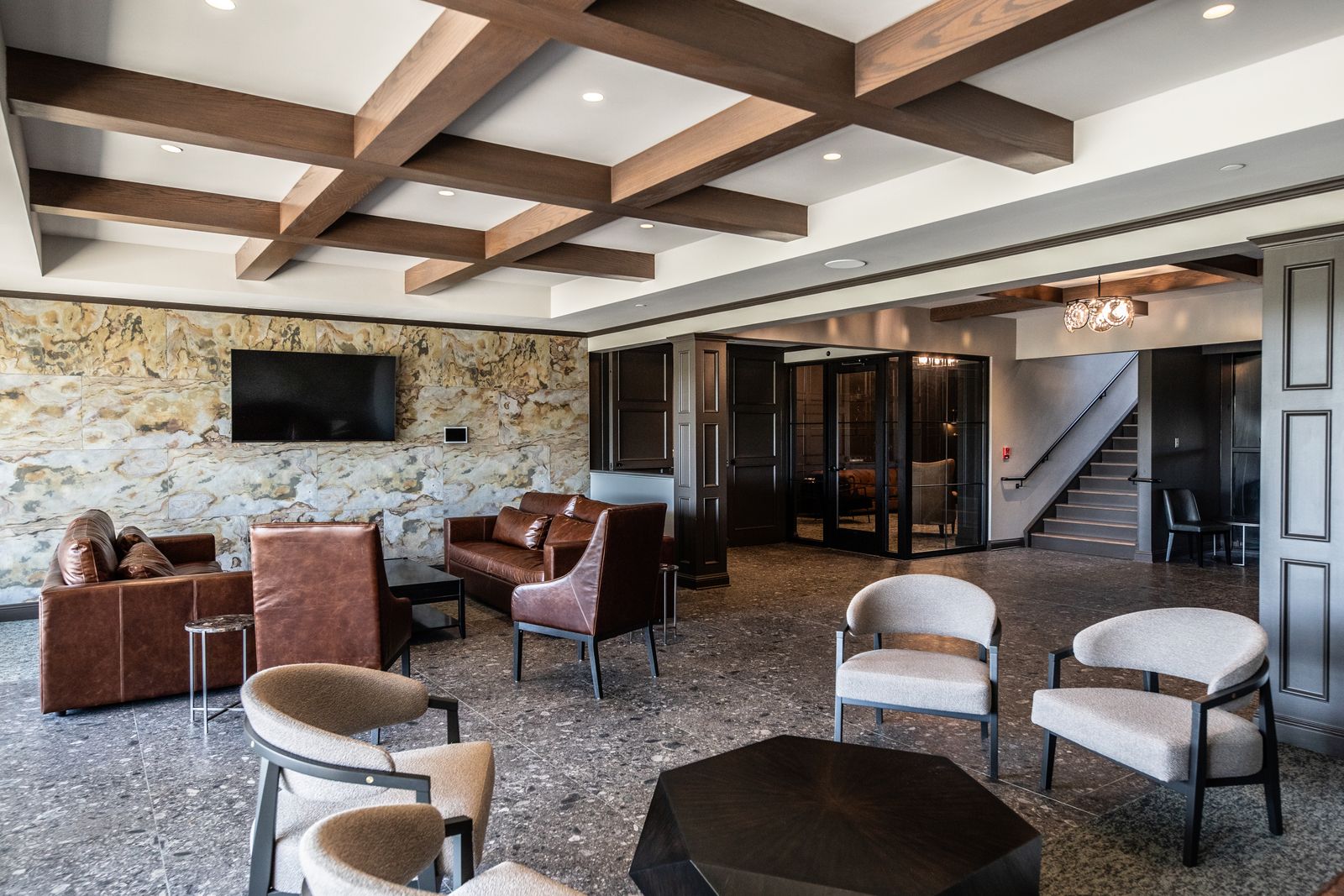
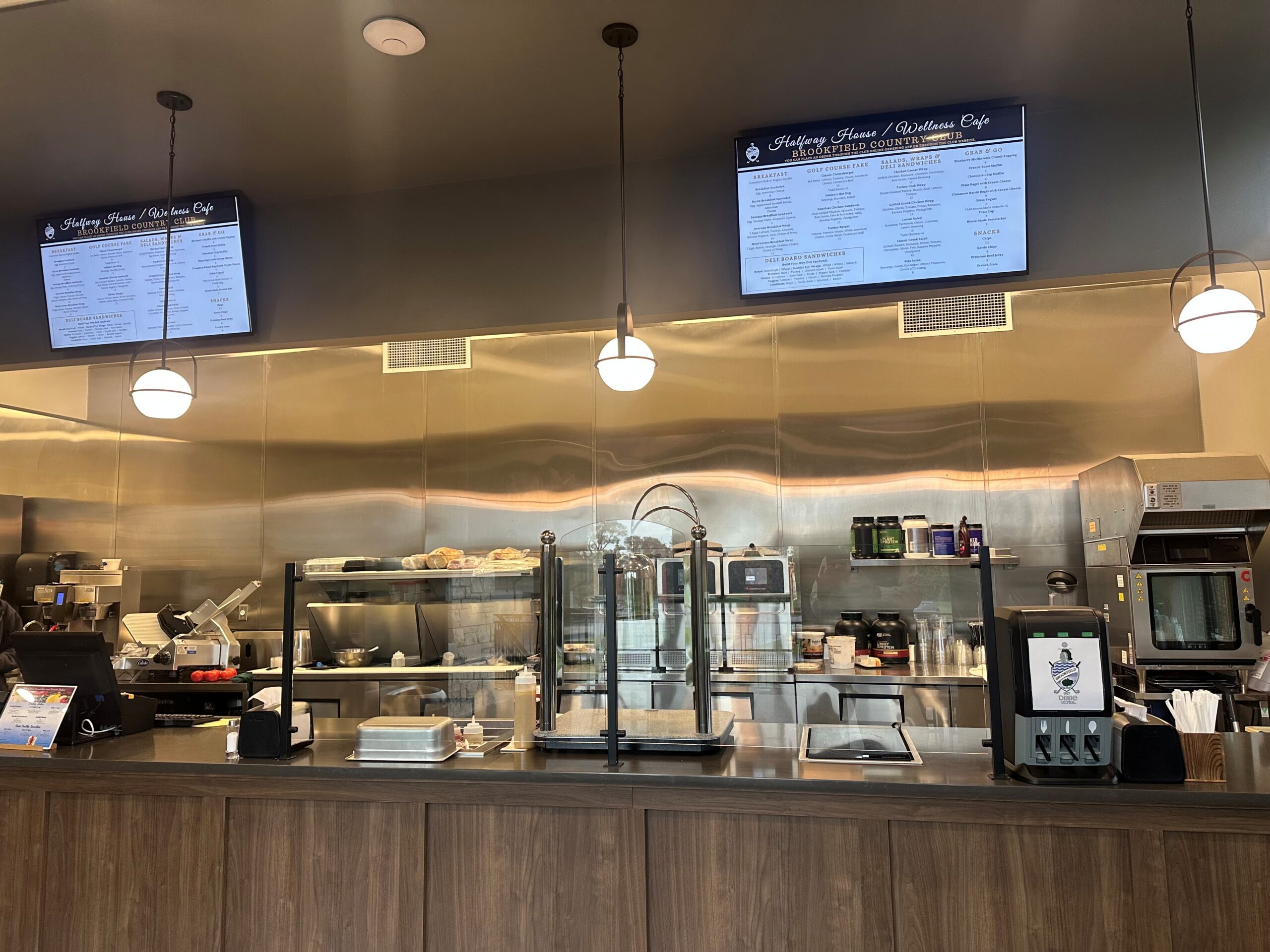
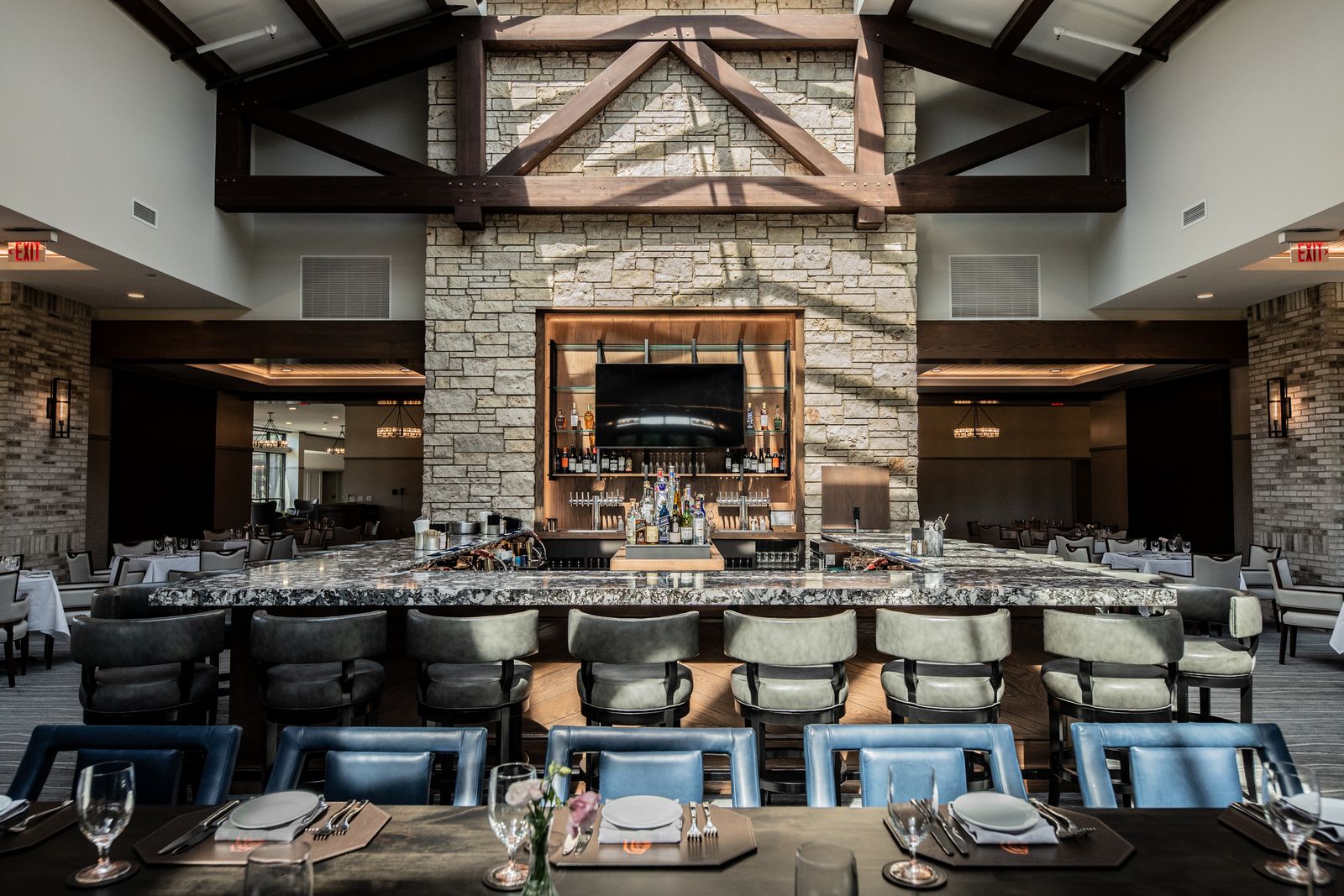
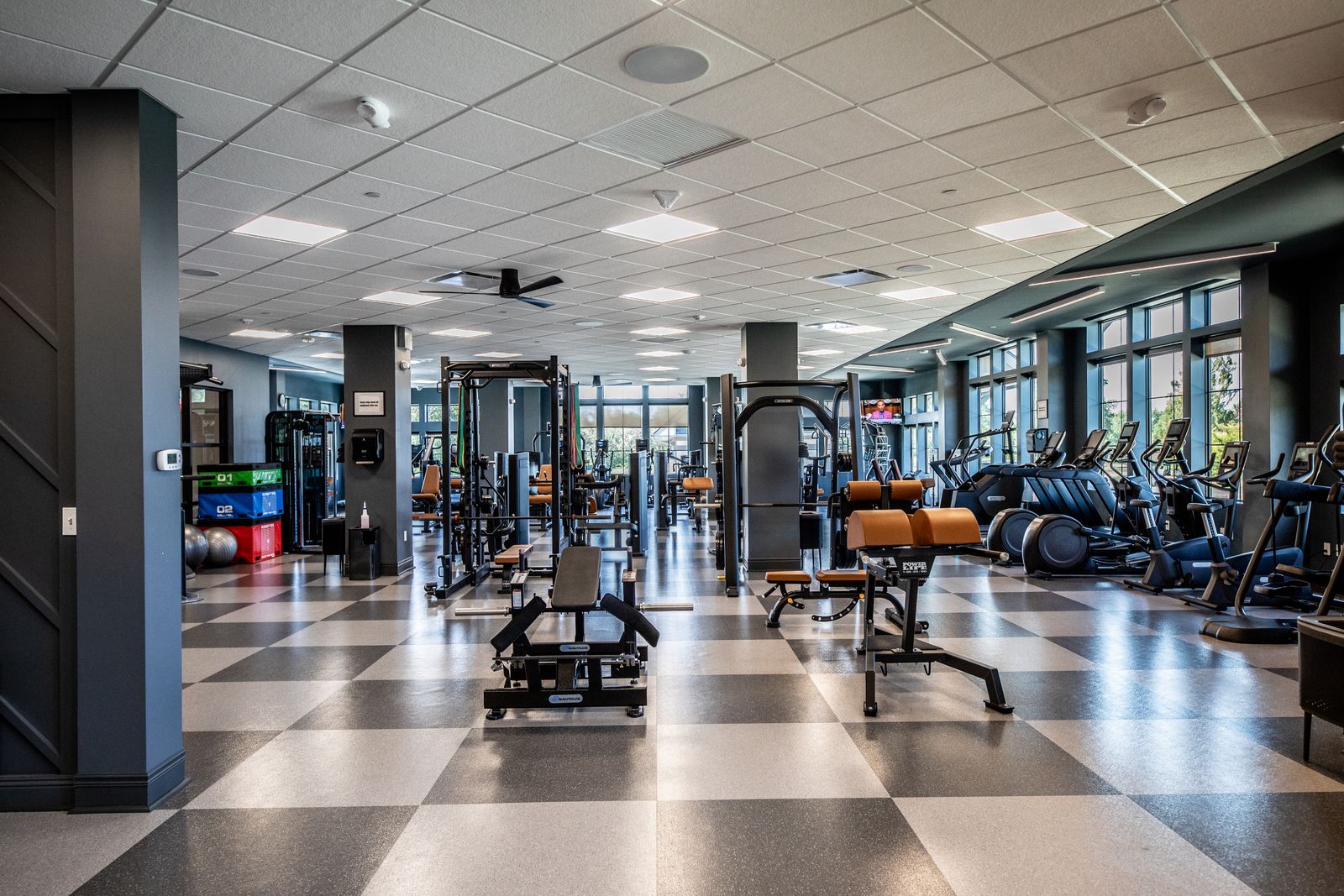
Adding amenities such as the Grotto, wine tasting room, cigar shop, wellness center, and a centralized kitchen helped elevate the overall member experience. The centralized kitchen also improved service efficiency across multiple dining venues.
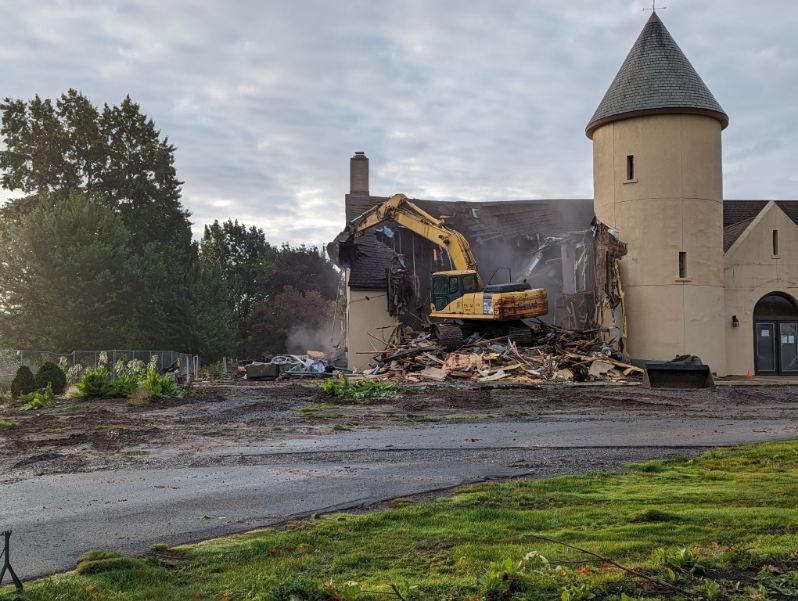
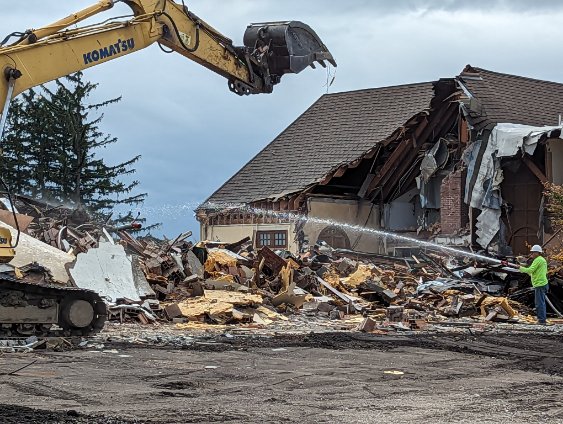
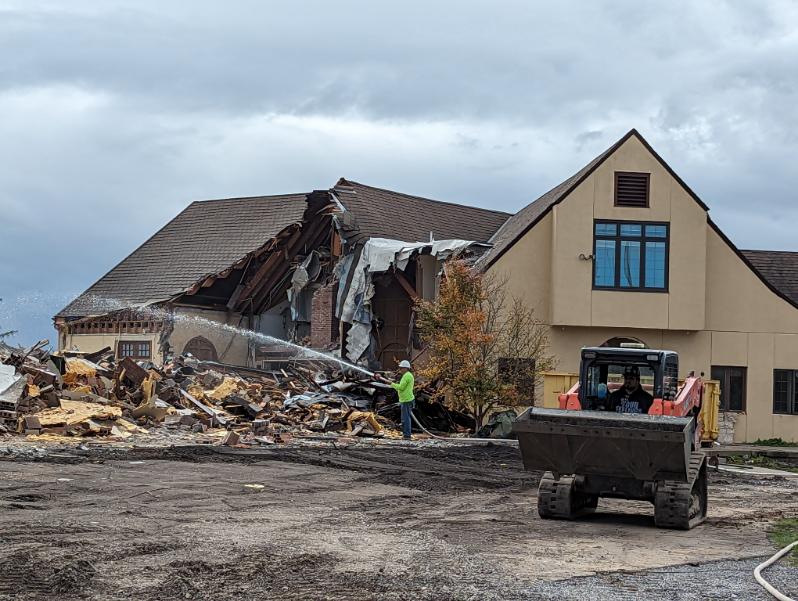
C+RB: What spaces or amenities have generated the strongest response from members?
MM: The response has been strong across several areas of the project.
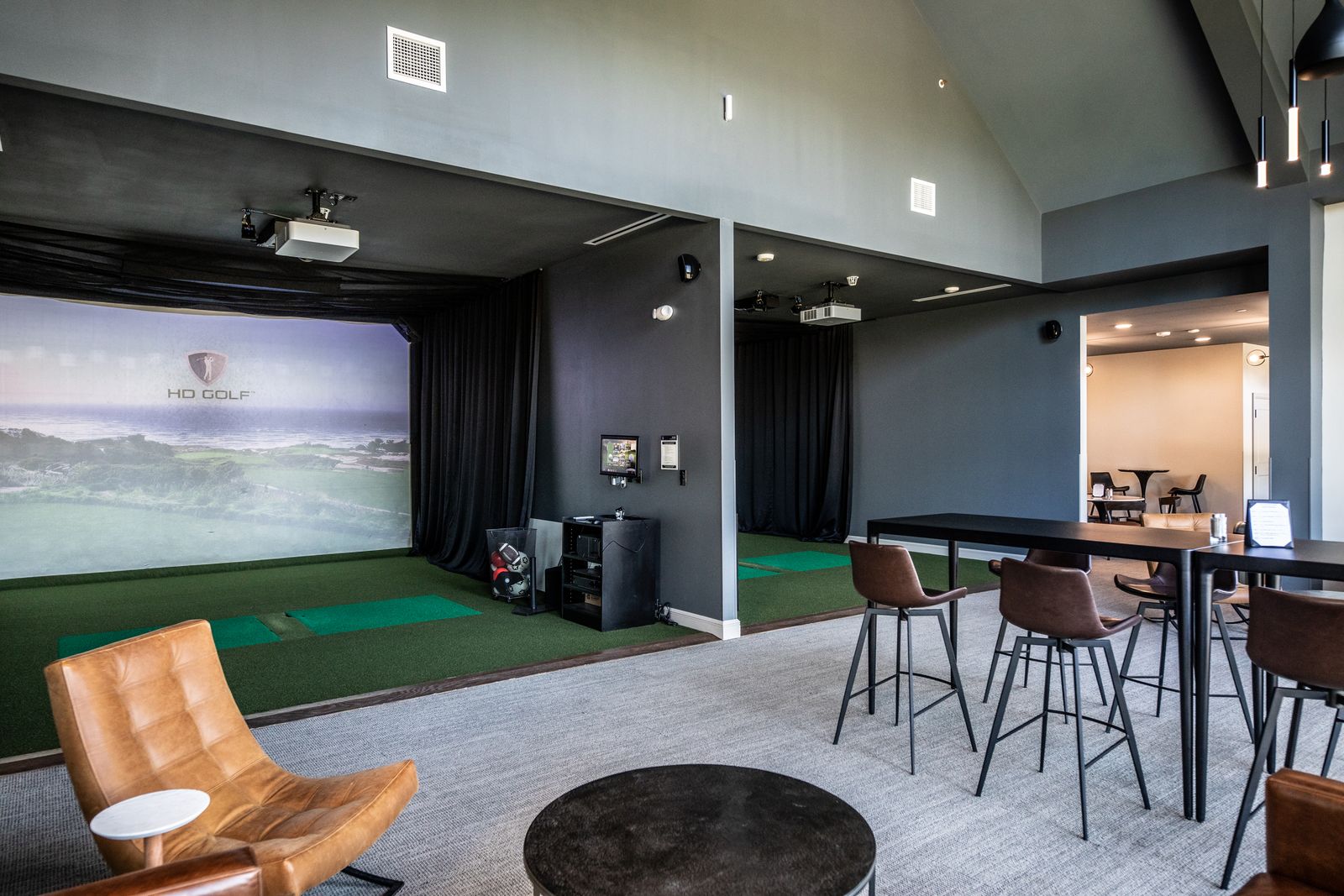
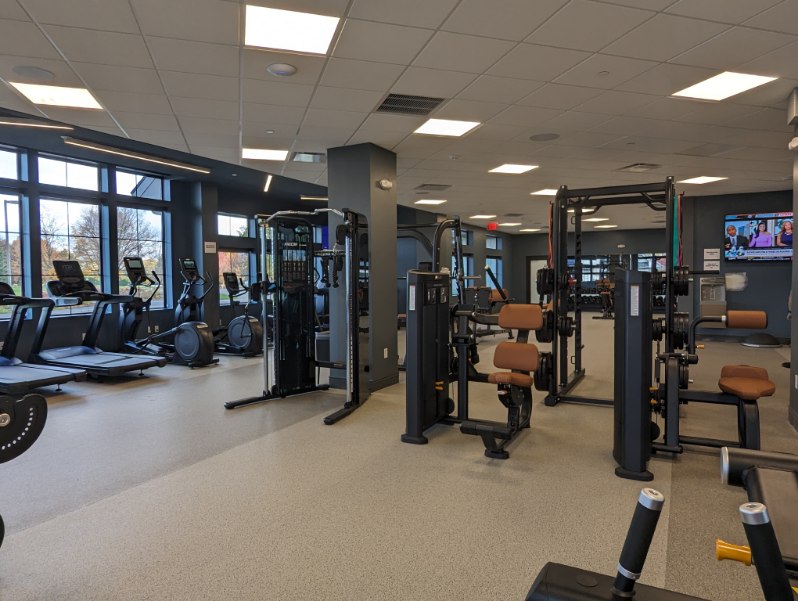
The wellness center has become a major driver of year-round activity. The golf simulators have expanded golf opportunities beyond the traditional season, while the Grotto, wine tasting room, and cigar amenities have created entirely new social experiences for members.
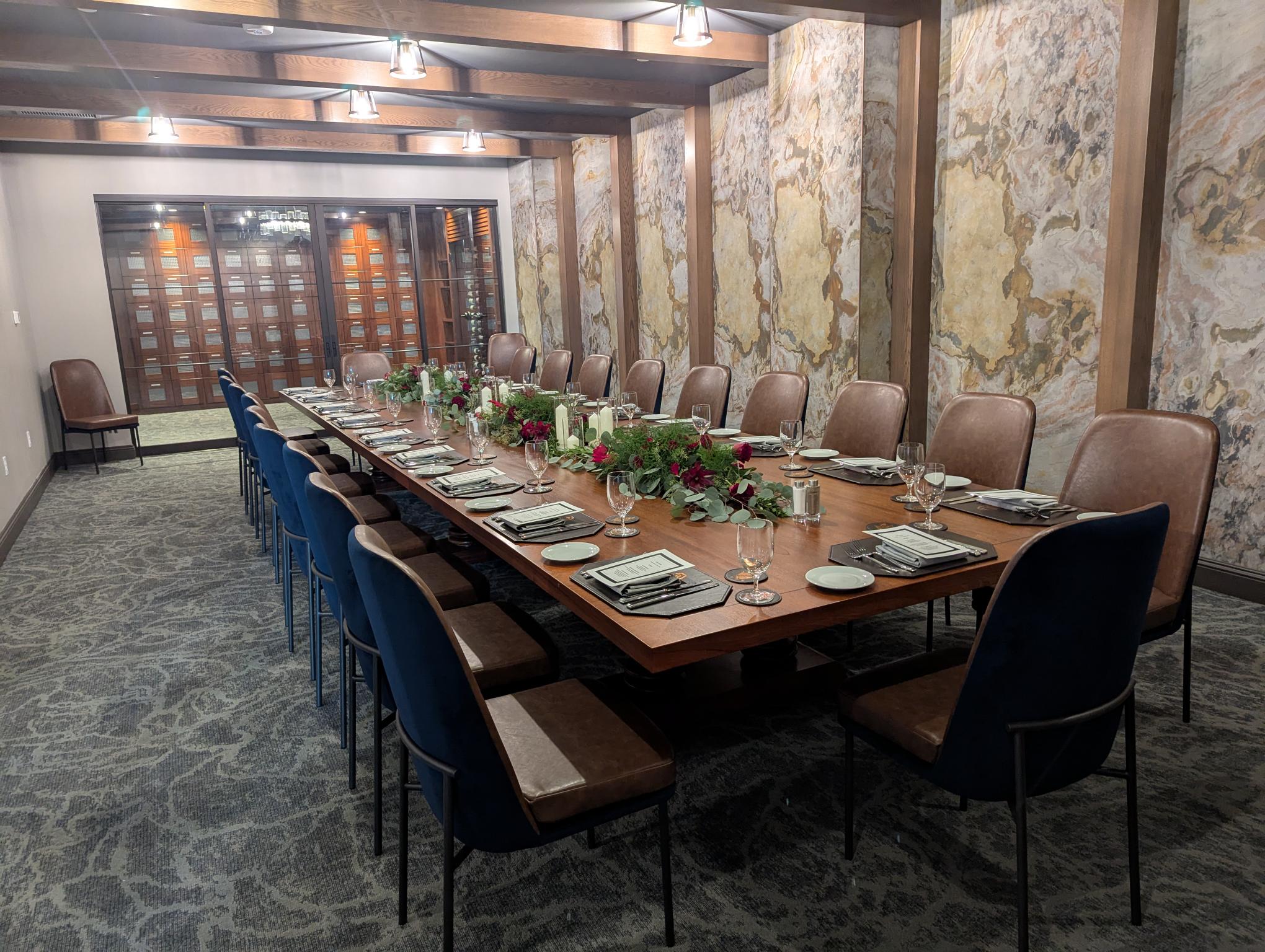
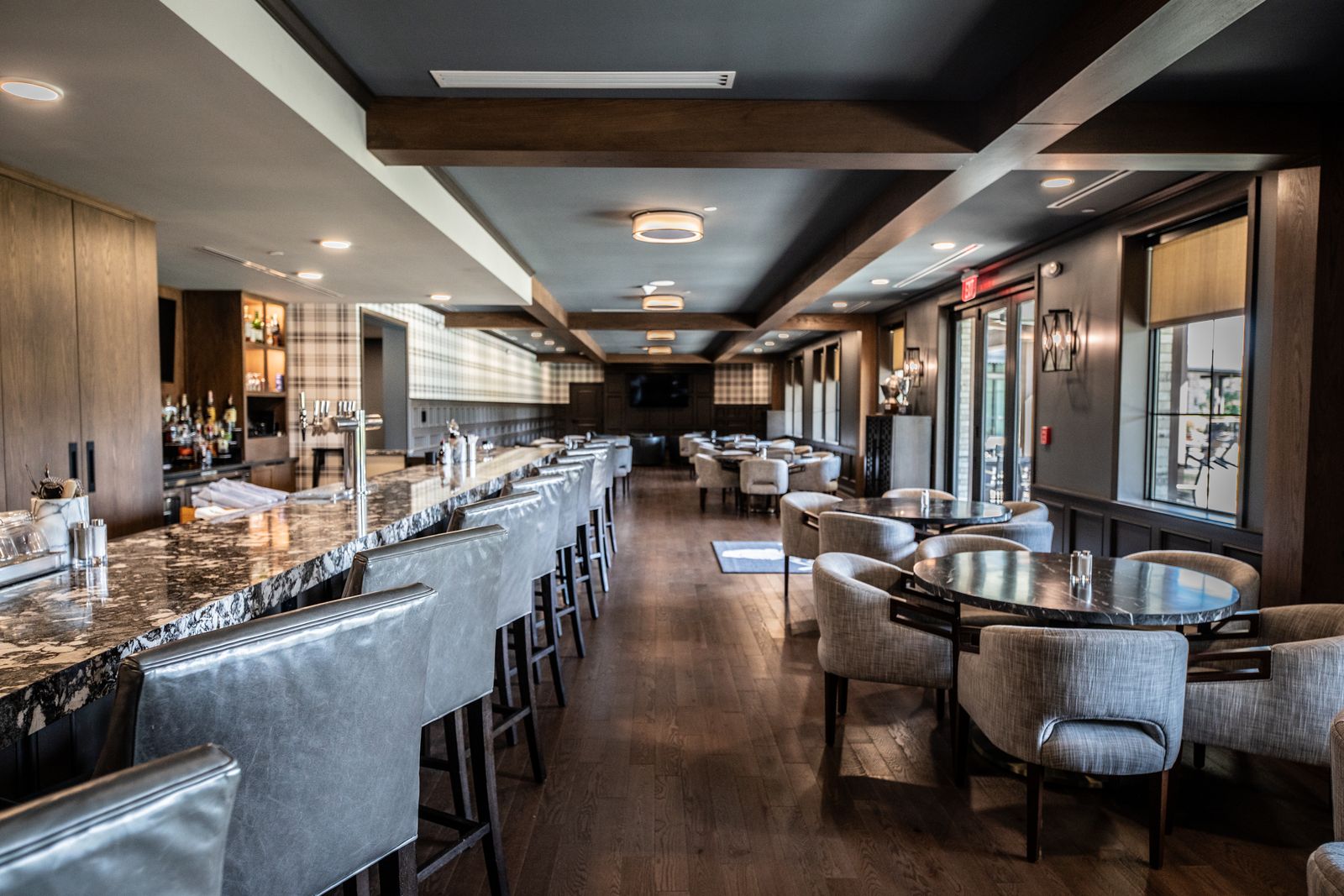
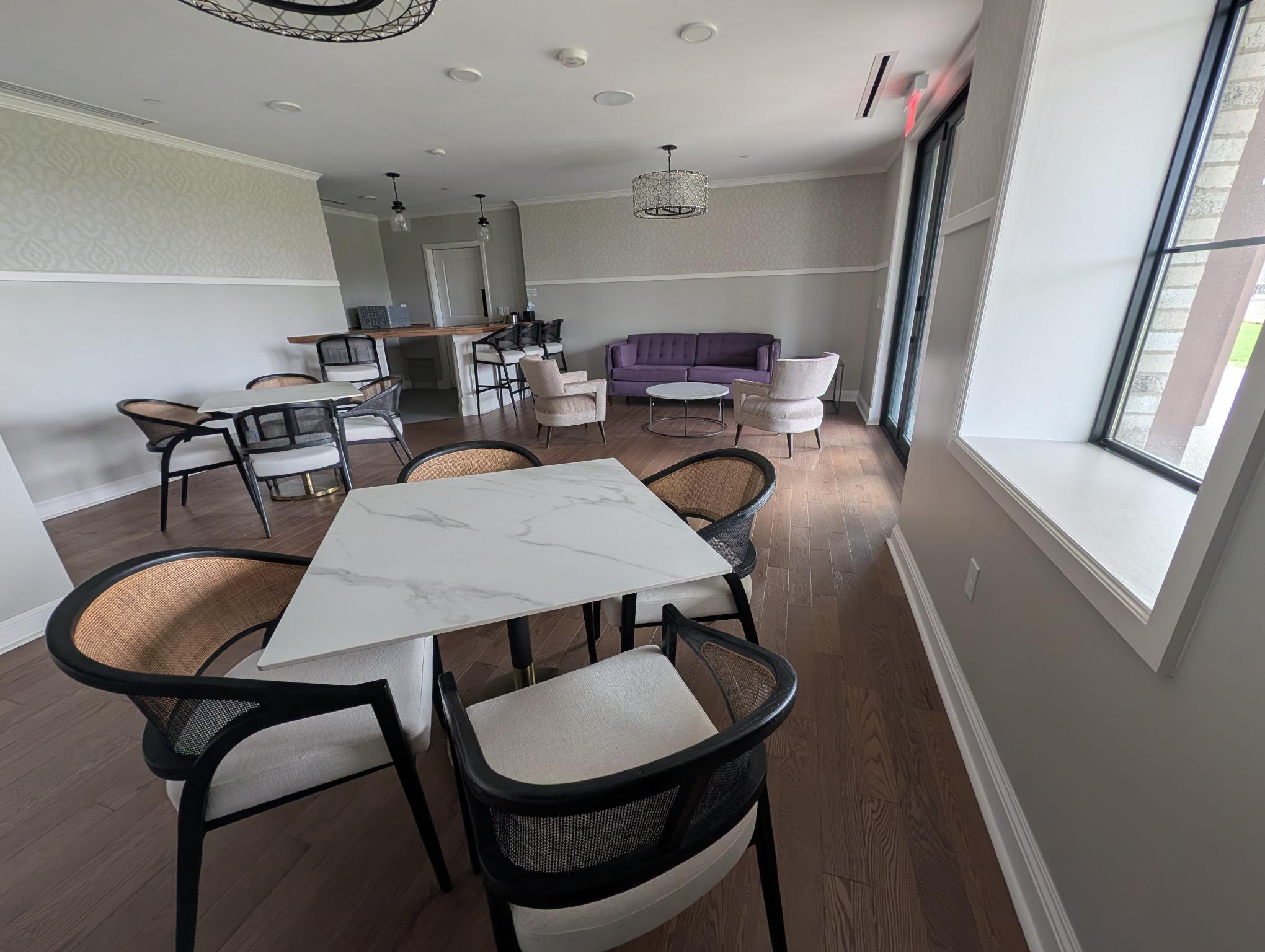
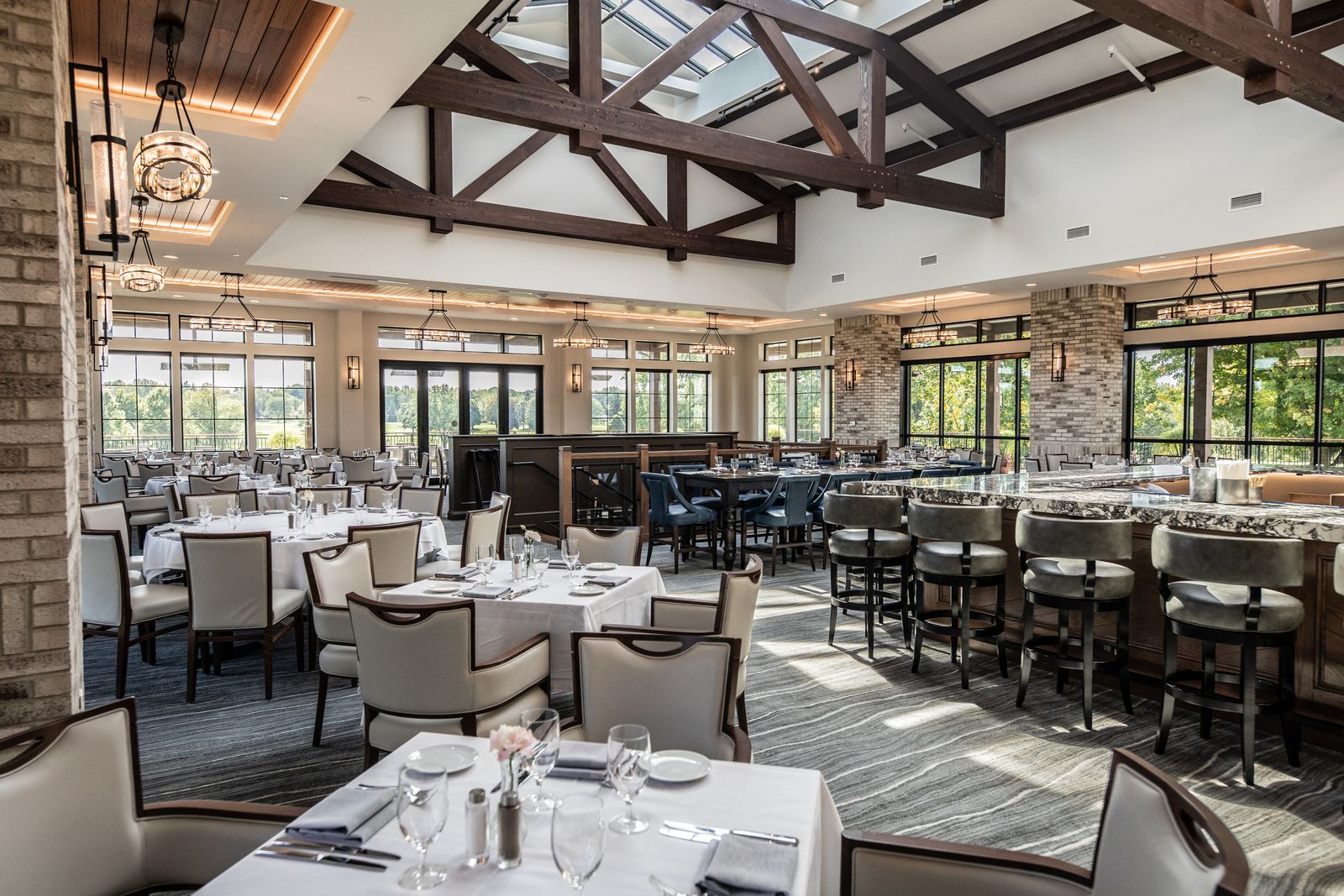
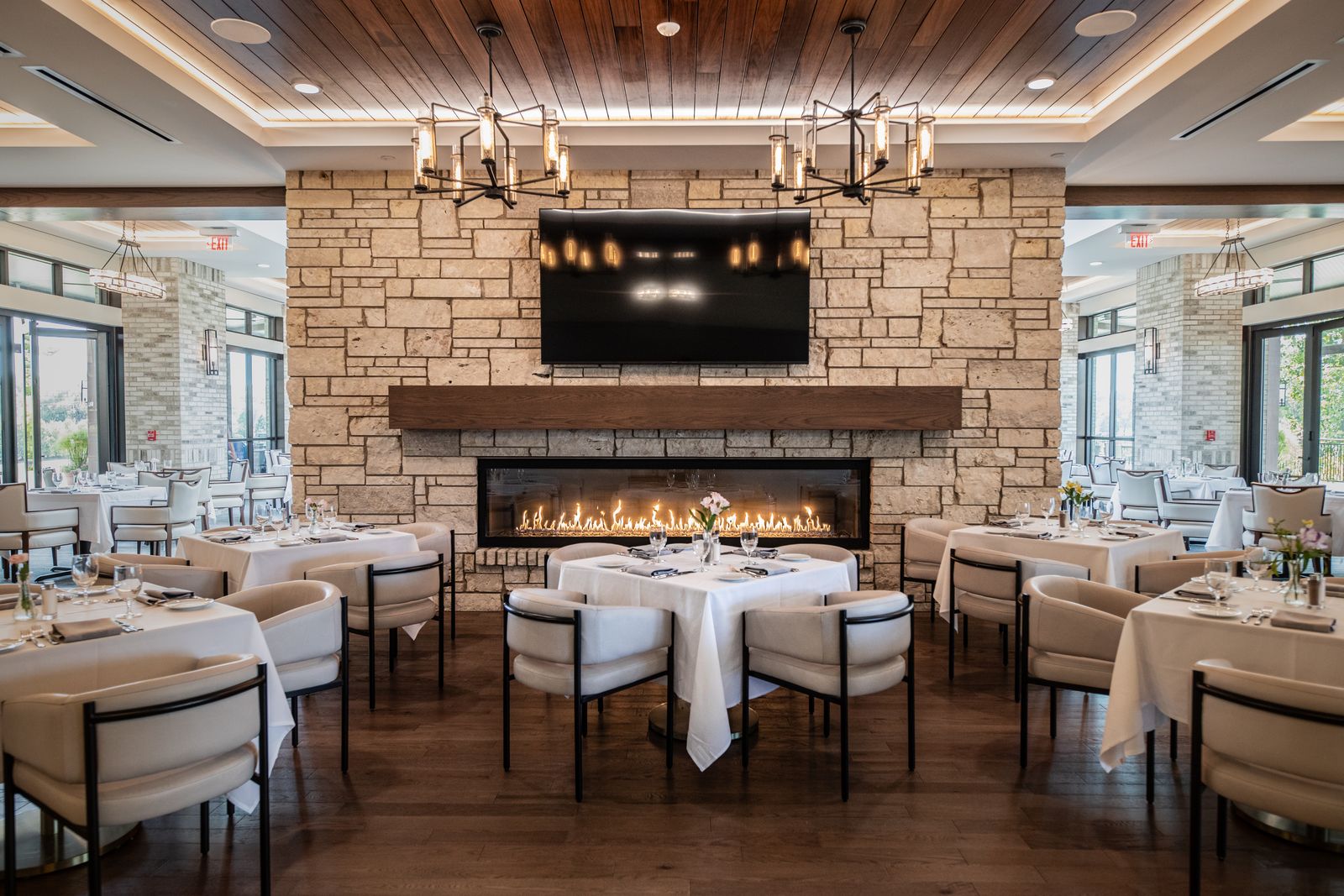
The expanded dining venues, outdoor patios, fire pits, and private dining spaces have also been extremely well received. Members now have a wider variety of ways to enjoy the club depending on how they want to spend their time.
C+RB: How has the project changed the way members use the club day to day?
MM: The club has become a true all-day, year-round destination.
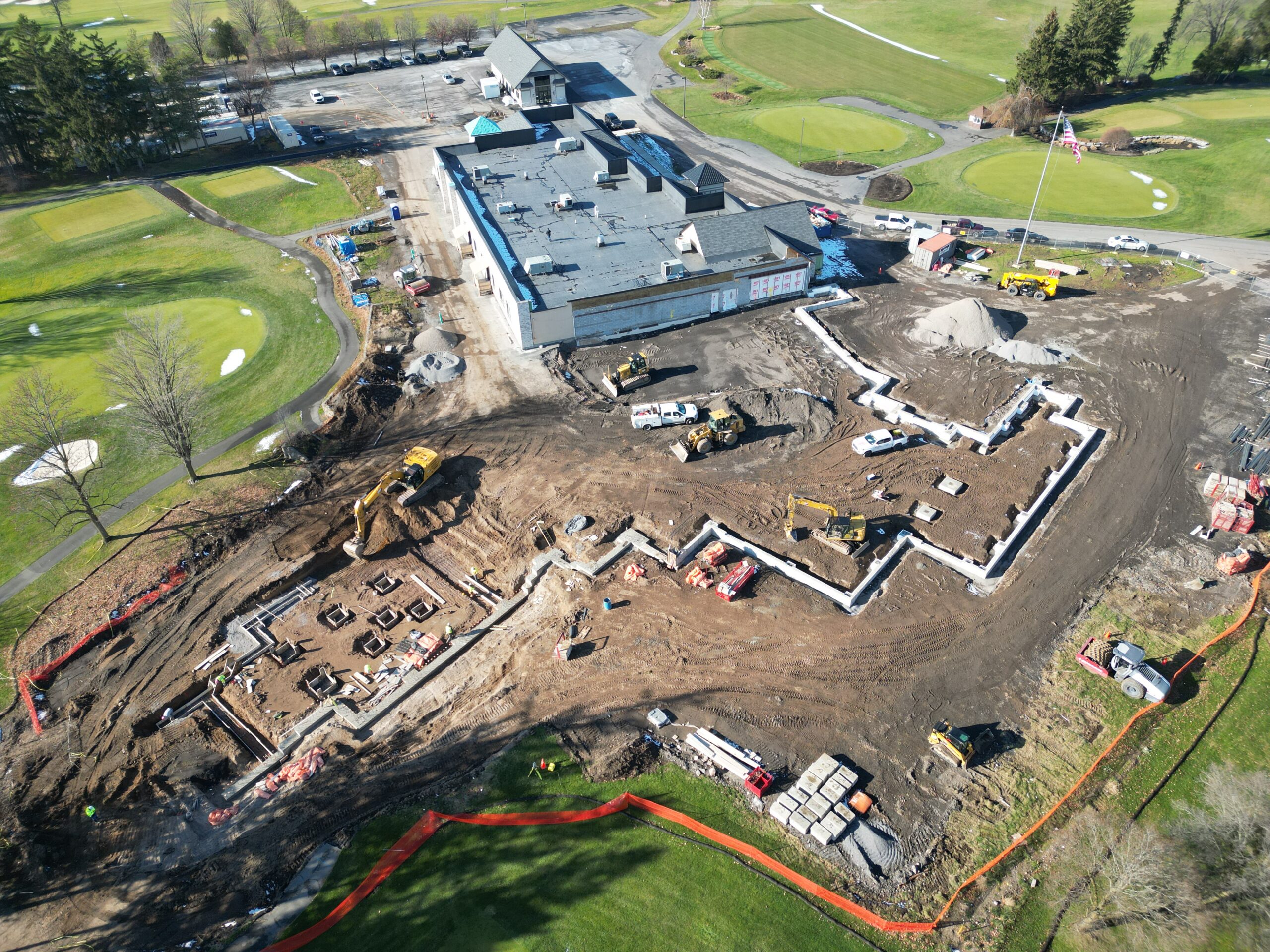
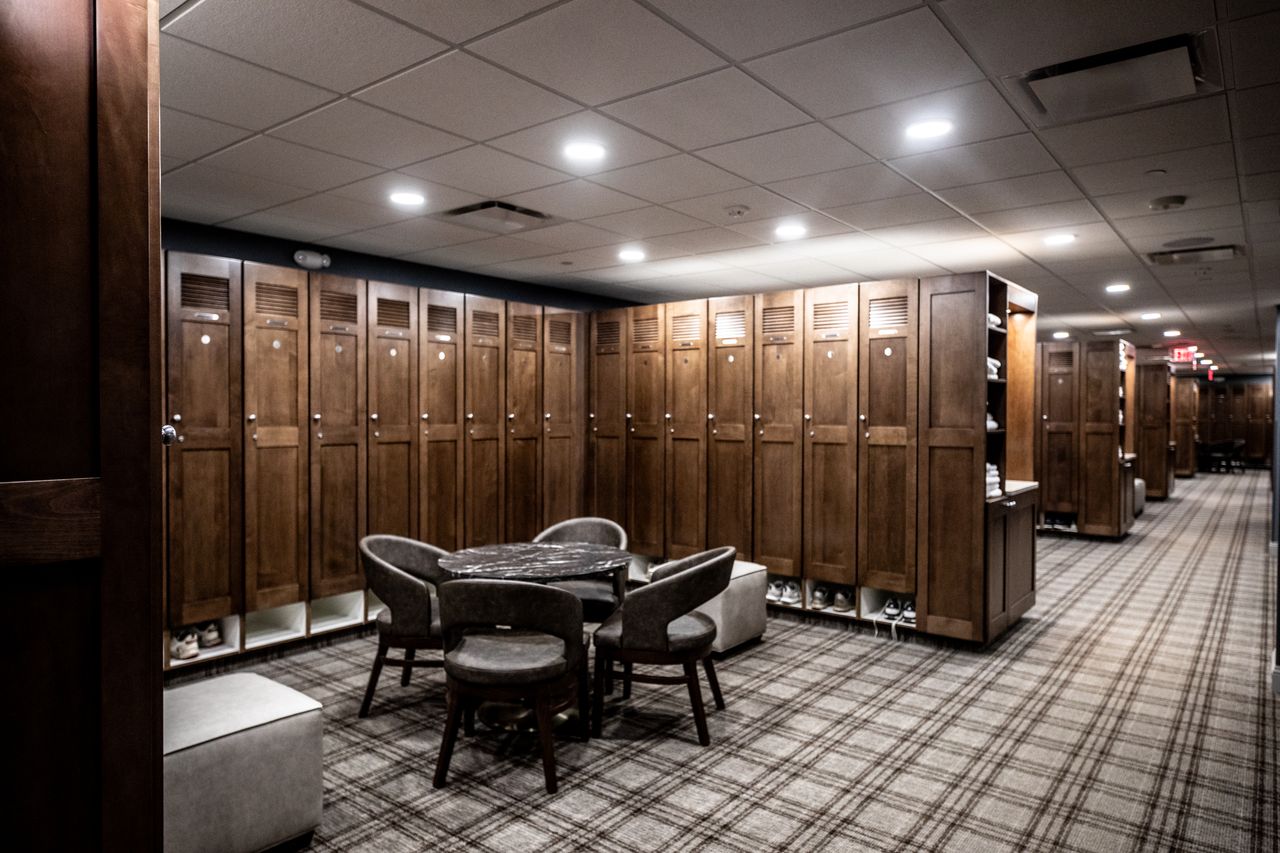
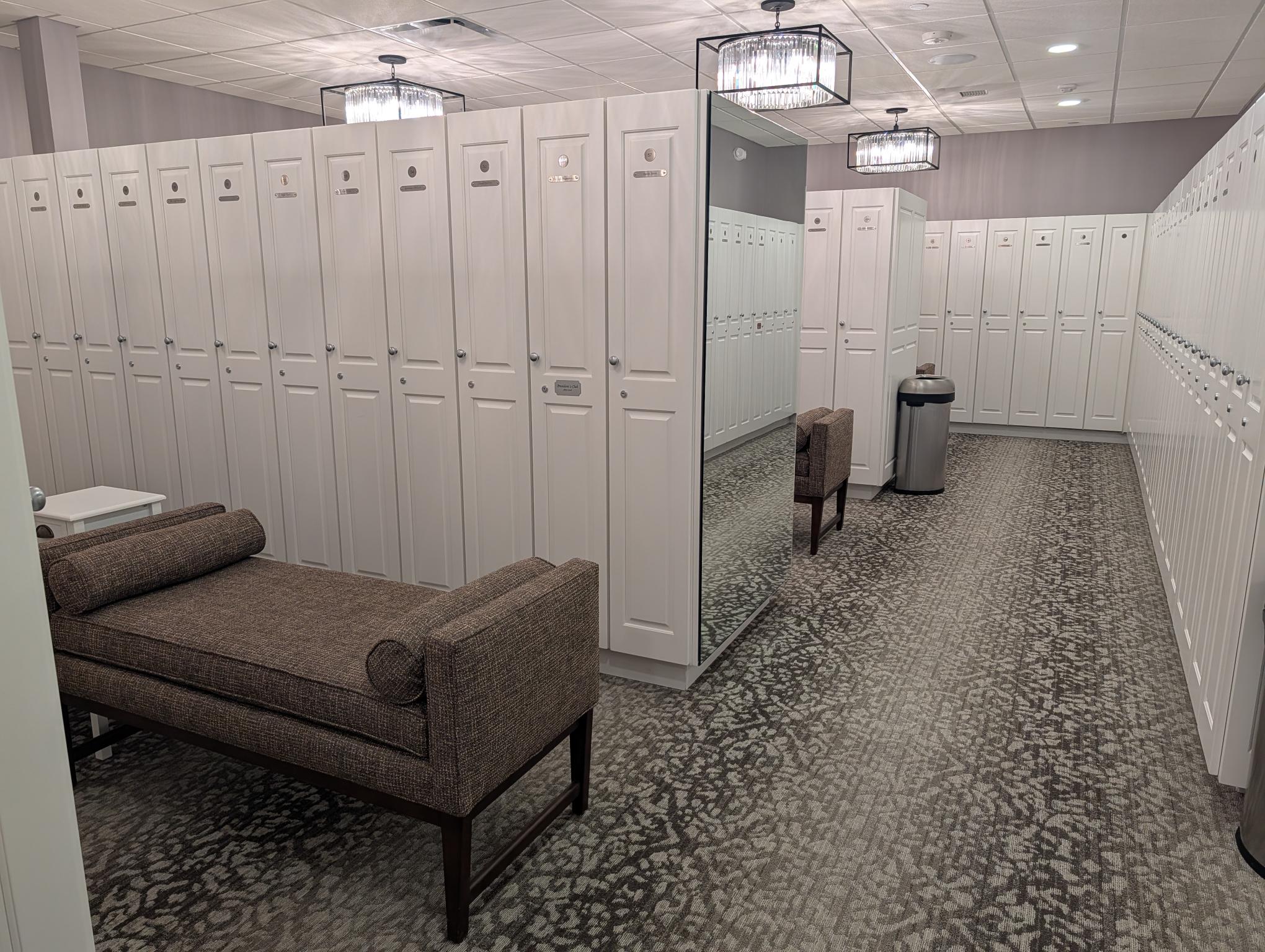
Increased usage has been driven by the wellness center, golf simulators, and expanded dining and banquet offerings. Reorienting the clubhouse created several new dining and cocktail areas, including outdoor patios attached to both the men’s and ladies’ locker rooms, fire pits, and additional private dining options with varying capacities.
With a stronger focus on wellness and an extensive food-and-beverage program, the club has broadened its appeal, attracted younger members, increased family participation, and made dining a central part of the overall experience.
 default
 default
 default
 default
 default
C+RB: What operational improvements has the new layout created for staff?
MM: A centralized kitchen now supports service for more than 1,000 guests across multiple venues, significantly expanding overall capacity.
Upgraded kitchen and bar facilities have enhanced both speed and quality, while the improved layout streamlines flow between culinary, service, and dining areas. That has reduced bottlenecks, strengthened communication, and elevated execution for both daily operations and events.
C+RB: How did member feedback influence the direction of the project?
MM: Feedback was gathered through member-led committees focused on architecture and interior design, annual club-wide presentations, and volunteer involvement in final design details.
Member input played a key role throughout the project and helped guide many of the decisions that were ultimately made.
C+RB: Looking back, what has surprised you most since the spaces opened?
MM: Utilization is up throughout the club, generating increased banquet revenue and positioning us for a record-setting 2026 with more than 25 weddings and 13 charity golf tournaments.
Demand remains strong across both Sports Social and golf memberships, reinforcing Brookfield Country Club as a top choice in the community.
The renovation struck a balance between preserving the traditional Brookfield experience while introducing a modern look and long-term functionality that resonates across the membership. The clubhouse has remained consistently active, and the overwhelmingly positive response from both members and the community has drawn notable interest from prospective members.
C+RB: What advice would you give another GM planning a major clubhouse project?
MM: Visit comparable clubs that have completed similar projects and aim to set the standard in your market. Partner with a neutral owner’s representative to guide scheduling, budgeting, and project management.
Design with staff efficiency in mind because better operations directly elevate the member experience. Keep both staff and members informed throughout the process, invite feedback, and make thoughtful, lasting design choices.
Success depends on strong communication, disciplined financial planning, and flexibility. Members will want to maintain access and services during construction, so clear expectations, aligned timelines, and close monitoring of operations are essential.
Most importantly, think beyond maintaining the status quo. Focus on where the market is going, take calculated risks, and ensure every decision supports both the member experience and long-term operational success.