While many clubs and resorts push golf carts to maximize revenue, Lakewood Country Club (Westlake, Ohio) is taking the road less traveled. At Lakewood Country Club 58% of all rounds are played on foot with a caddie.
By making caddies mandatory for all walking rounds before 3 p.m., the club has grown its program to over 200 participants, proving that prioritizing tradition and turf quality can coexist with a thriving, modern operation.
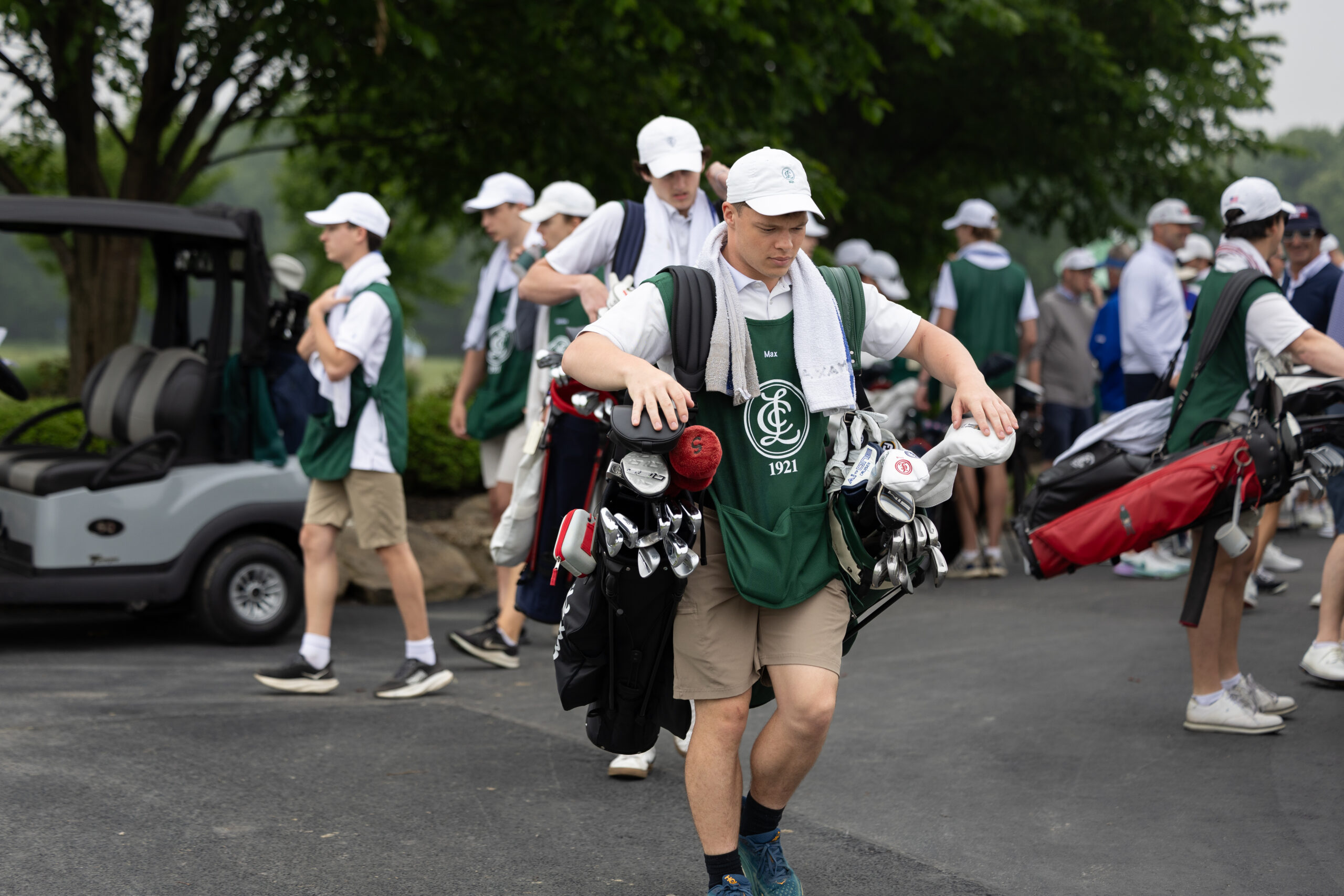
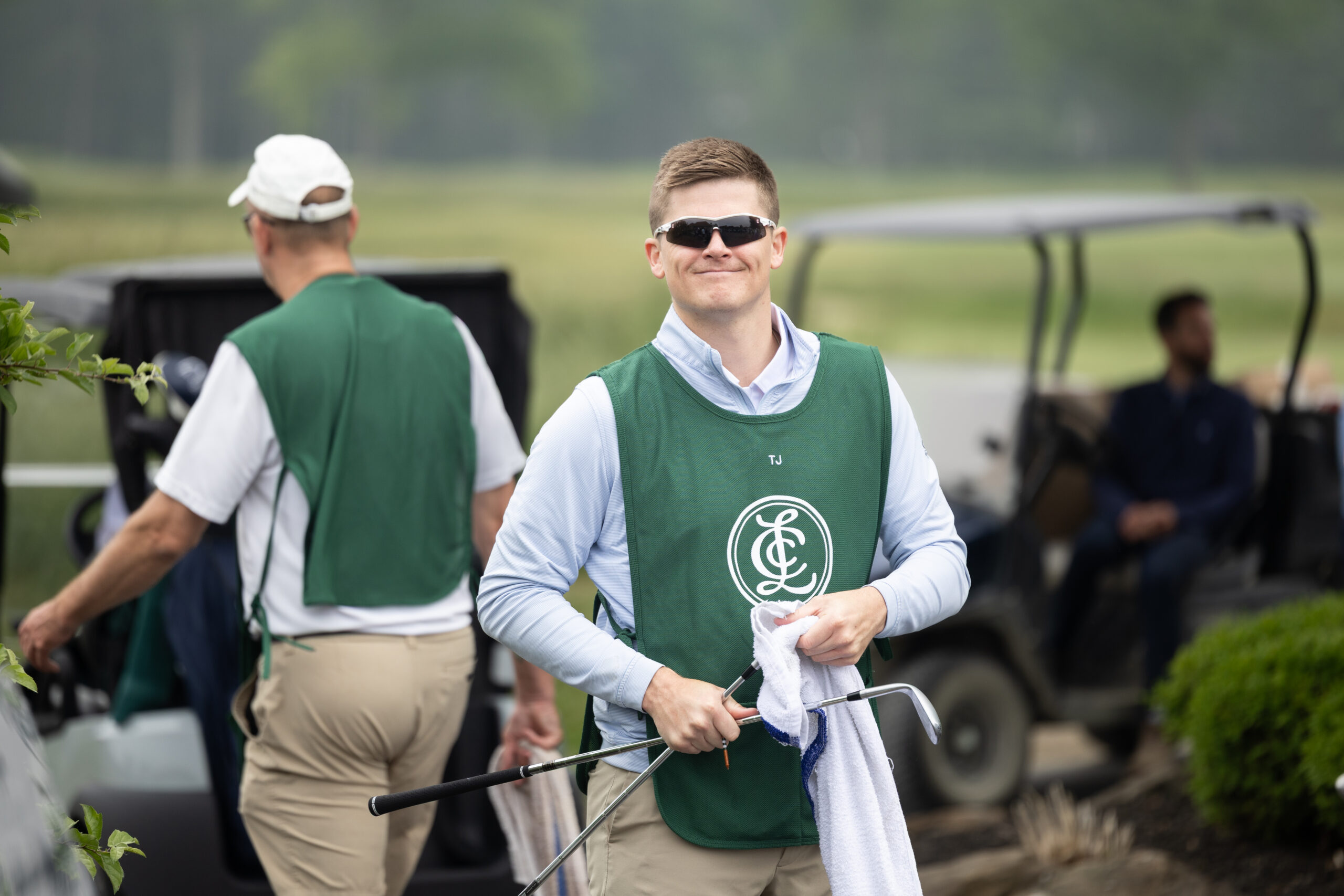
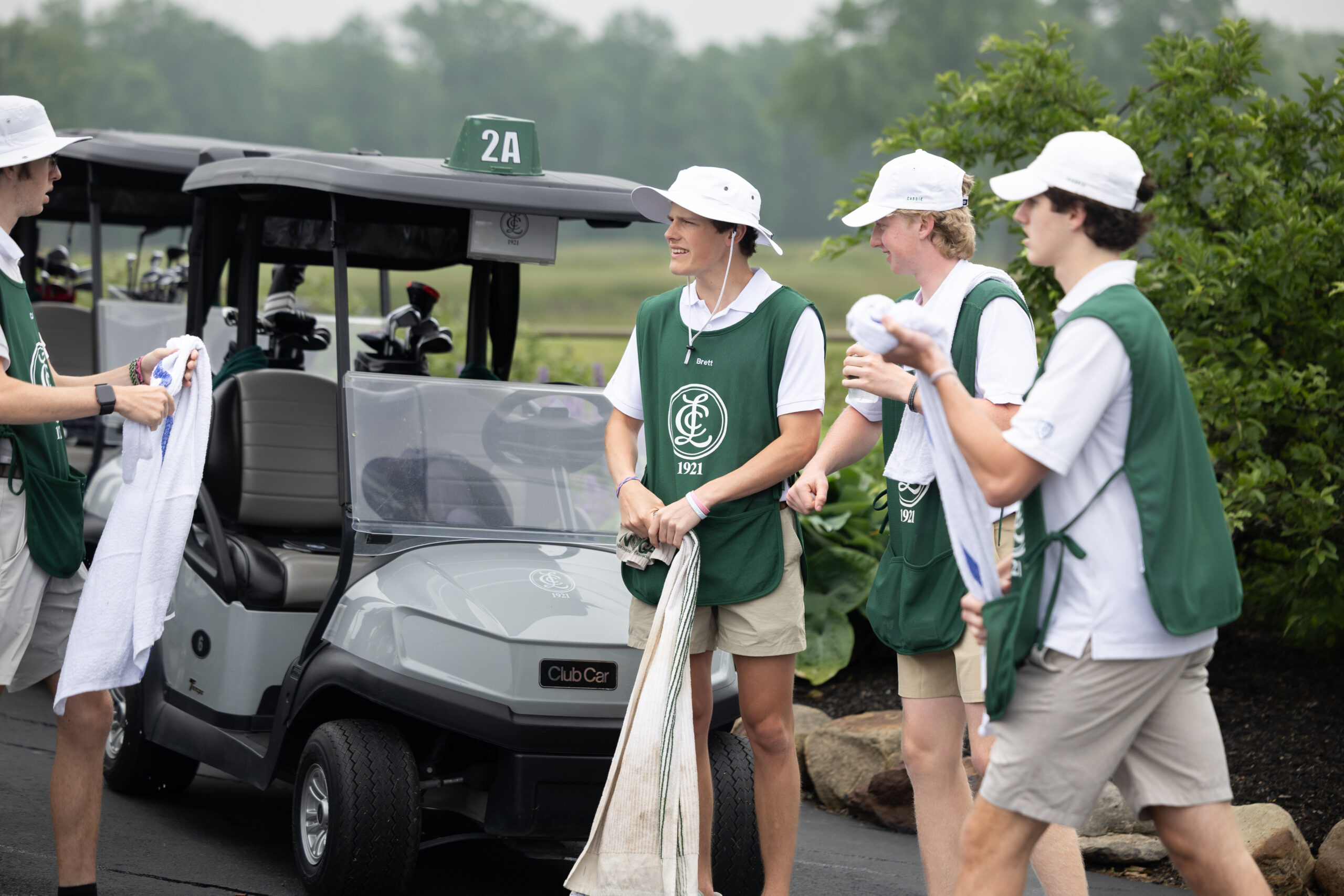
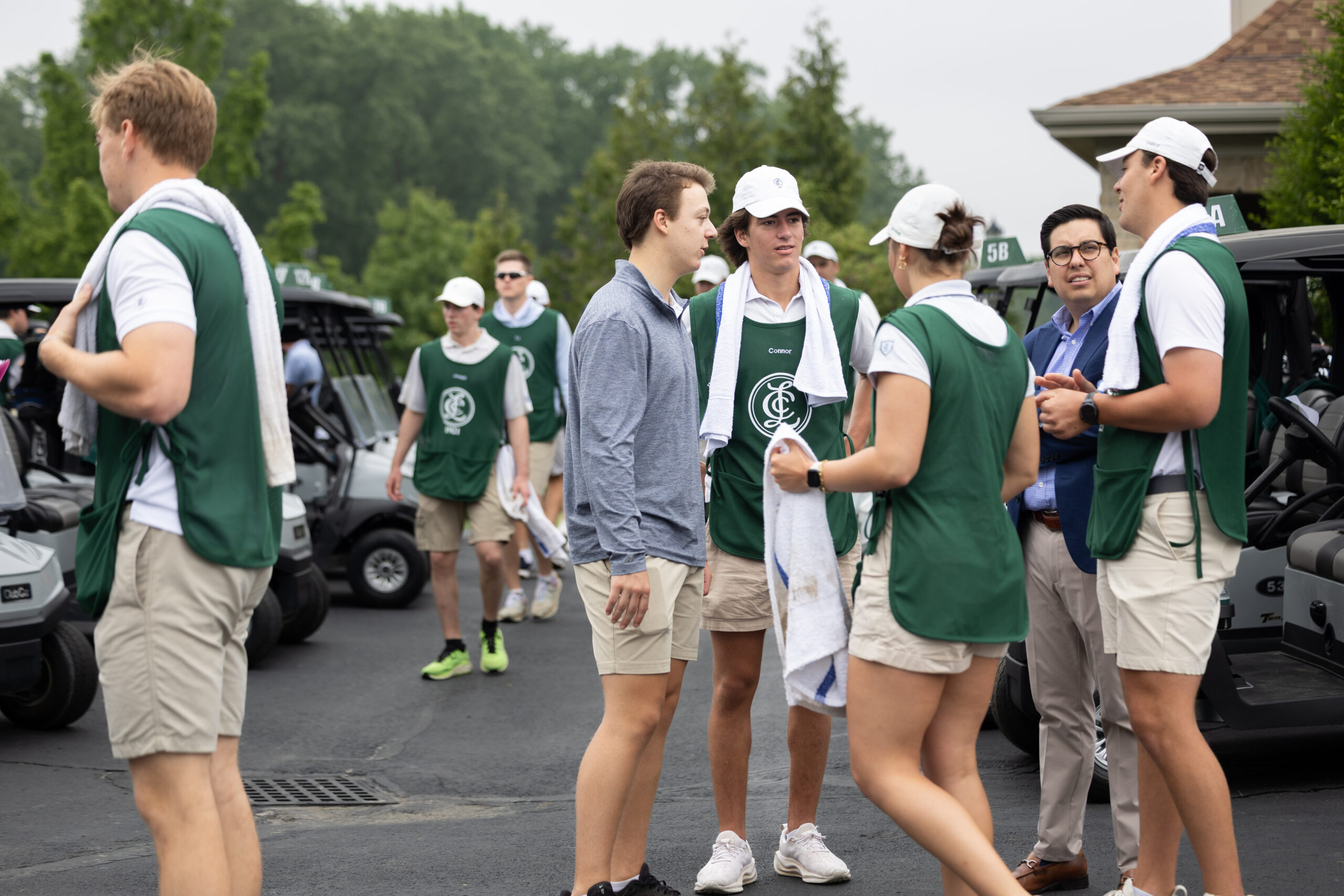
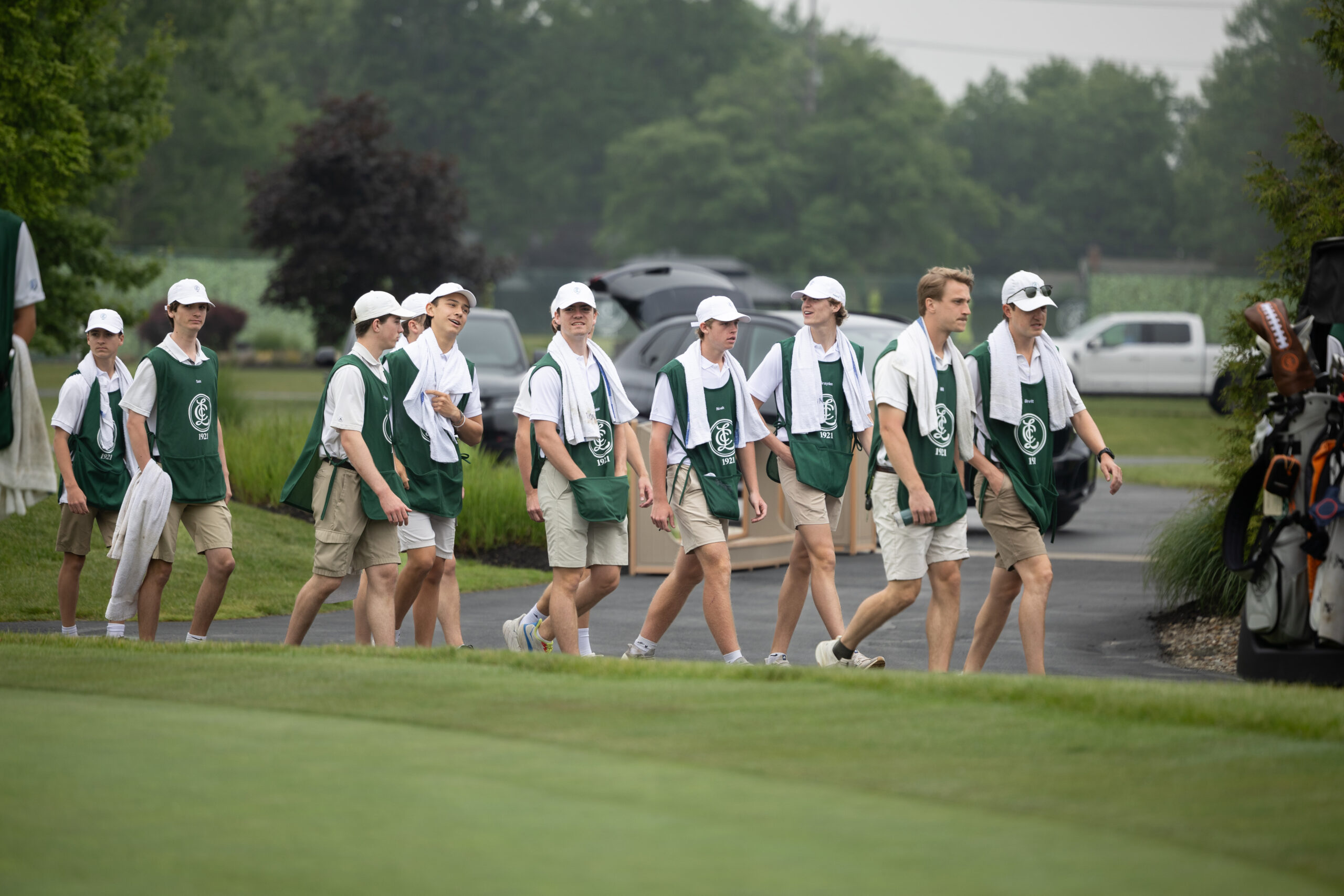
This modern operation is put on full display during the club’s major tournaments, where the “Caddie Walk” has become a signature tradition. Roughly 15 minutes before a shotgun start, 60 caddies walk from the caddie shack to the staging area to meet their assigned teams.
“Knowing Alfredo (Alfredo Hildebrandt, GM/COO) and his eye for social media, he recognized how cool that looked,” says Tim Perin, PGA, Director of Golf. “But they do it for every single event; everyone comes walking over and knows exactly where they are supposed to go. It’s a fun thing that has become part of our culture.”


Hustle over knowledge
Perin says the caddie program, which has been around for over 70 years, has grown tremendously at Lakewood Country Club.
“Since I started here in 2014, the caddie program has more than doubled,” says Perin.
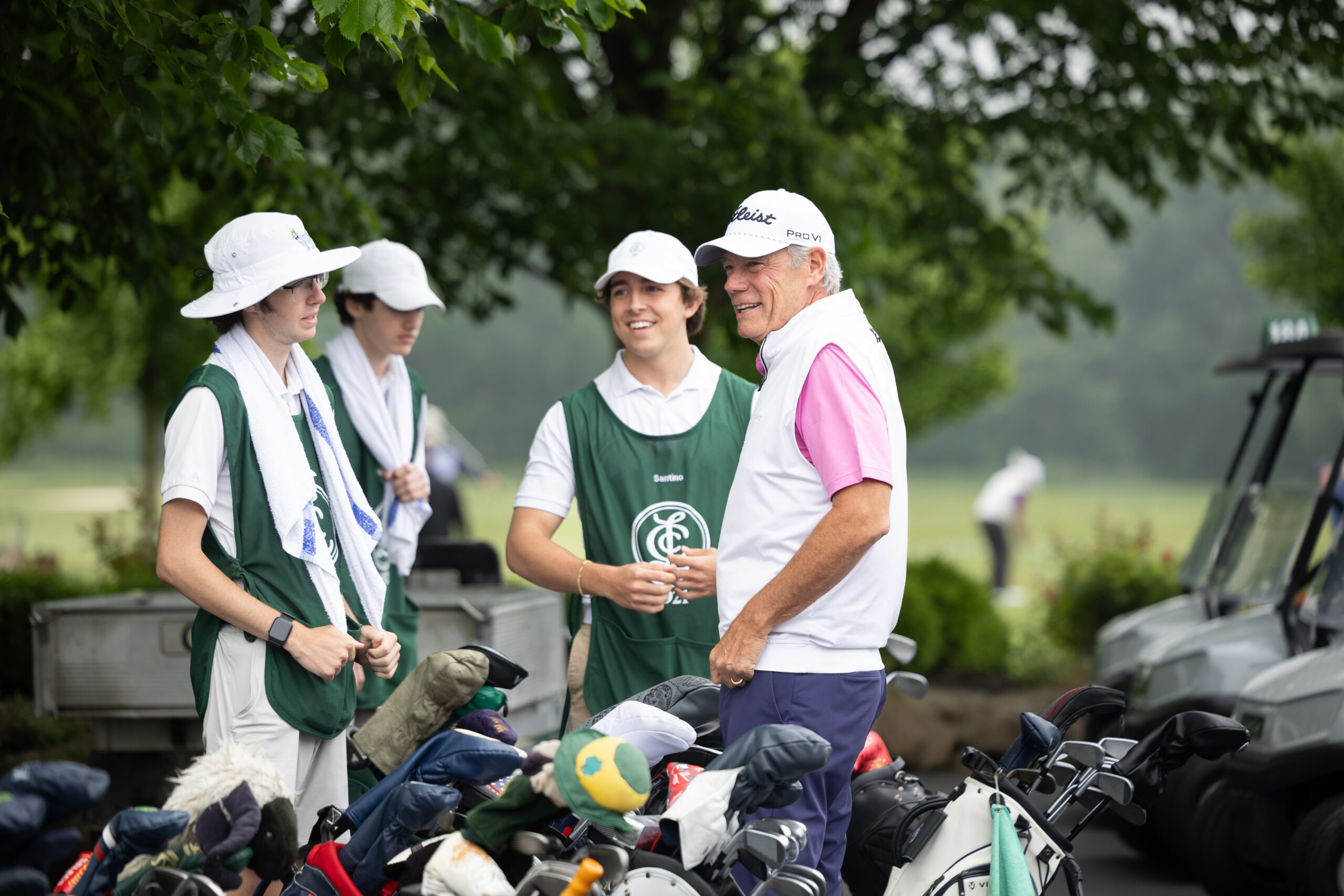
Caddies can apply to the Lakewood Country Club program starting at age 14 and the club accepts roughly 40 to 50 applicants every season. Perin says 75% of the club’s caddies are school age—from 14 years old to college.

Tim Perin, Director of Golf of Lakewood Country Club.
“Our rookie class of caddies, a lot of them don’t have any golf knowledge,” says Perin. “That’s certainly beneficial, but not mandatory. We’re looking for good kids that want to work—kids that hustle, learn and are go-getters.”
From there, the caddies go through comprehensive training provided through the Western Golf Association’s Evans Scholarship Program.
The three-week training program happens in April and allows the caddies to sign up for two sessions depending on their own schedule. The coursework walks the caddies through terminology, educational videos and on-course practice runs with more seasoned caddies.
After they pass a test on golf terminology and etiquette, the caddies must complete two shadow loops before they are assigned their own bags.
“We usually have the rookie class start as runners or cart chasers, but they’re not carrying the bags because some of these 14 year olds are as big as the golf bags,” says Perin.
Once the caddies are ready for independent loops, the club uses a mobile technology that puts the power in the caddies’ hands. They are responsible for inputting their availability and checking the schedule every day to see if they were booked for a round the next day.
“It puts ownership on the child and gives them a sense of responsibility and authority,” says Perin.
From carts to caddies
Perin notes that 58% of rounds of golf at Lakewood CC today are played on foot—with a caddie. When he first started, the numbers were nearly reversed, with roughly 6-% of all rounds played with carts.
“I think this flip comes from an encouragement of walking in the game itself and the overall support from our membership to our caddie program,” Perin says.
The support of the membership is the program’s engine. Without it, Perin says the club wouldn’t be able to recruit as many caddies because they wouldn’t get consistent loops.
The Lakewood course is also very walkable, according to Perin. The 1921 design features close connections between greens and tees, making it an easy walk for members of all ages.
“Having a strong caddie program and implementing a mandatory walking-round time differentiates our club from others too,” says Perin. “Not every country club has a caddie program. It provides a different experience for our members.”
Although cart rounds represent a high-margin revenue stream for the club, walking rounds pay dividends in turf quality.
“What people don’t realize is that the more cart traffic you have, the worse turf conditions you have,” Perin says. “By encouraging walking, we are preserving the quality of the course.”
Membership support is usually the roadblock most clubs run into when trying to build a caddie program.
“It can be expensive for members and the clubs lose revenue from cart fees too,” he admits.
But for Perin, the ROI—connecting young caddies to members, offering a unique experience and maintaining better turf quality—is well worth the cost.



Tell Us What You Think!
You must be logged in to post a comment.