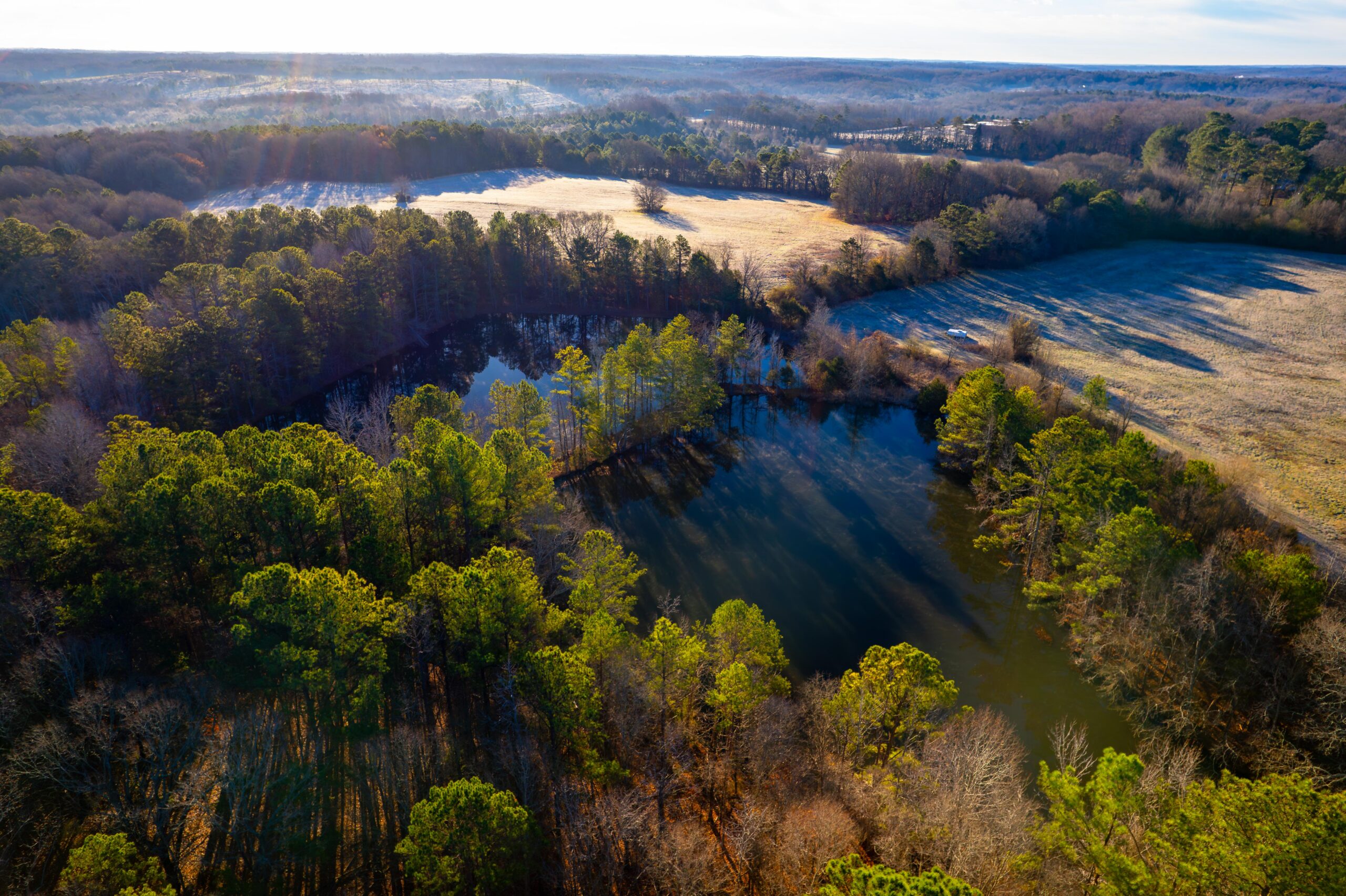
Scott Ferrell, Founding Partner of Kawonu Golf Club, has been in the golf industry for almost 40 years, which eventually led him to Greenville, S.C. He knew that a private club hadn’t opened in the area in over 30 years and started looking into land to open a private, golf-only club.
After one piece of land fell through, Ferrell says the current land fell into his lap and he immediately got started by partnering with Barton Tuck who has developed other golf courses over the years.
Now, two years into the construction of the project, the club has a little over a year until its grand opening.
A snapshot of Kawonu GC
The Kawonu Golf Club will be a golf-only club, but will still feature a indoor and outdoor dining options, and a clubhouse set on a 290-acre property.
The club will also feature 20 cottages on-site allowing Ferrell and his team to create a hybrid membership structure.
“We’re going to have a pretty substantial local base of private members, and then we’re going to have another category of national members that will use it as a destination club,” says Ferrell.
Gaining a wider reach of members with this hybrid structure was important for Ferrell and being based in Greenville, which has become a growing vacation destination, it seemed like a successful plan.
Members will have the option to own the cottages, but are expected to put it back into a rental program for other members to utilize.
The main clubhouse will feature locker rooms, indoor and outdoor dining and six overnight rooms. A tie-in to the main clubhouse is a building adjacent to the practice tee area that will be home to the Pro Shop, hitting bays, and a patio that runs out onto the practice tee.
Being a golf-only club, the real focal point of the club will be the actual golf course.
Focusing on golf
Ferrell says two years ago, he and his partner secured the course architect Andrew Green for the project.
“If we tried to get him today, he may not be available because he’s really a rising star,” he says.
Green has done renovations at high-profile clubs like Oak Hill Country Club in Rochester, N.Y., Inverness Club in Toledo, Ohio, and Congressional Country Club in Bethesda, Md. and was gaining a lot of notoriety over the last five to six years, says Ferrell.
Kawonu Golf Club will be Green’s first design he started from scratch and Ferrell says Green is enamored with the features of the land and is taking advantage of the topography and lakes of the property.
“Green has a more traditional approach,” says Ferrell. “There’s a term called the Golden Age of Architecture which takes you back to the 30’s and 40’s and he feels like the site is allowing him to go back in time. He says that we’re creating something new that’s going to feel really old, and I love that.”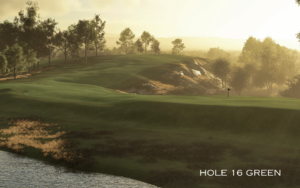
The 18-hole course features par 72 routing with a balance of par sequencing and diversity in yardages and hole directions. Plus, two short loops within the championship layout for alternative formats, special events, and casual play.
An important factor for Green is honoring the land and trying to not change things, but just enhance them and bring a level of sustainability.
Membership at Kawonu
Ferrell saw a need in the Greenville market for a private club, encouraging his decision to make Kawonu Golf Club private. Once announcing this to the public, he says the feedback was very positive from the community.
Since the two years of construction have begun, Ferrell and his team opened membership and already have many signed up for when the club opens—tentative for Spring 2027.
Ferrell believes this club will attract members with a high golf IQ because of the club’s sole focus on golf.
“It’s not a requirement that you’re a low handicap, but I think inherently that kind of thing unfolds,” he says.
The club already has local, current and former PGA Tour Players that have joined the club membership.
When the project was started, Ferrell says the strategy revolved around membership.
“We wanted to reach a certain threshold of membership before we started the project,” he says. “So, we would take half of a member’s initiation fee and put it in escrow, and then if we didn’t reach this threshold by a certain date, we were going to cancel the project and give them their money back.”
However, Ferrell and his team were successful, so the members released the escrow and paid the other half.
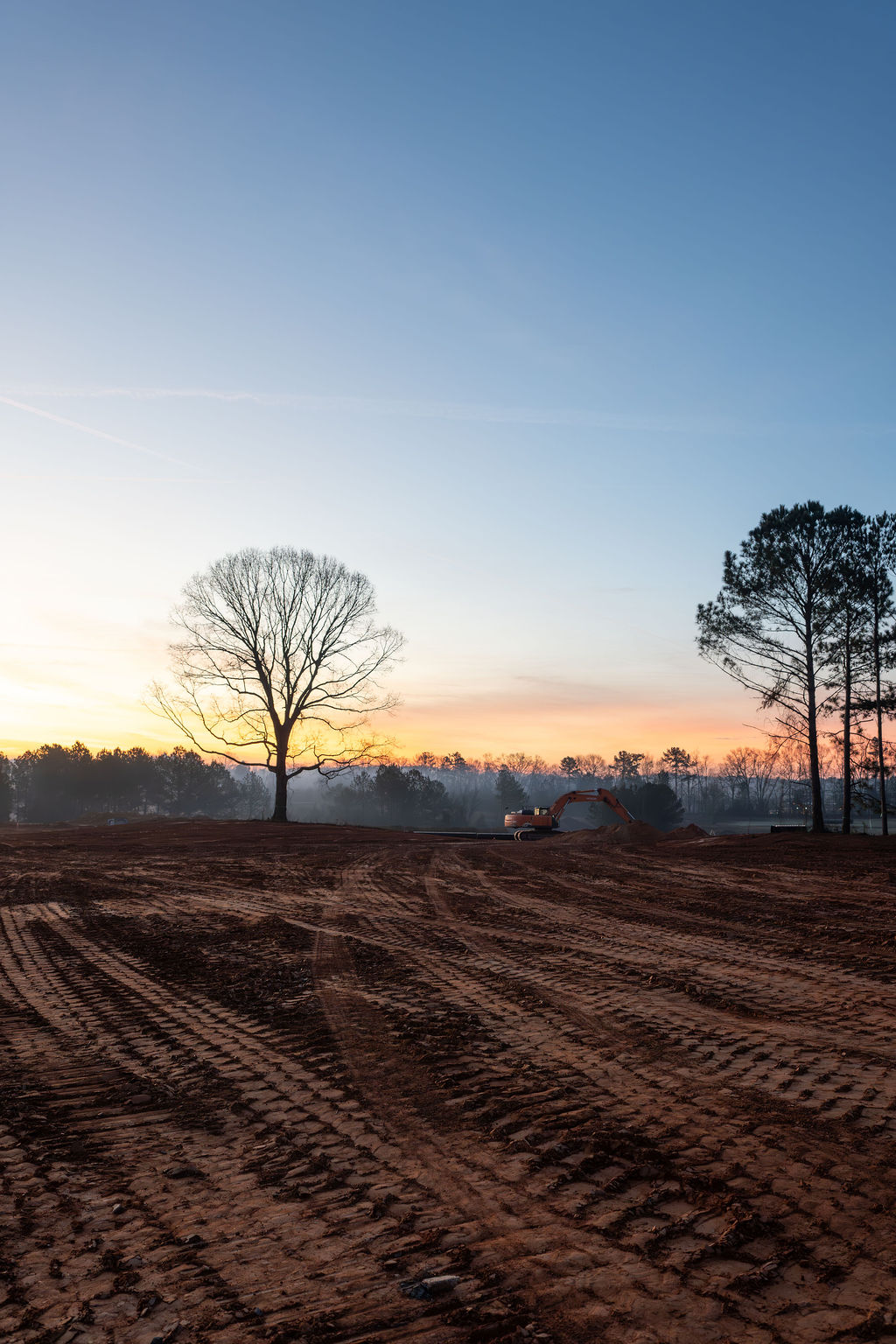
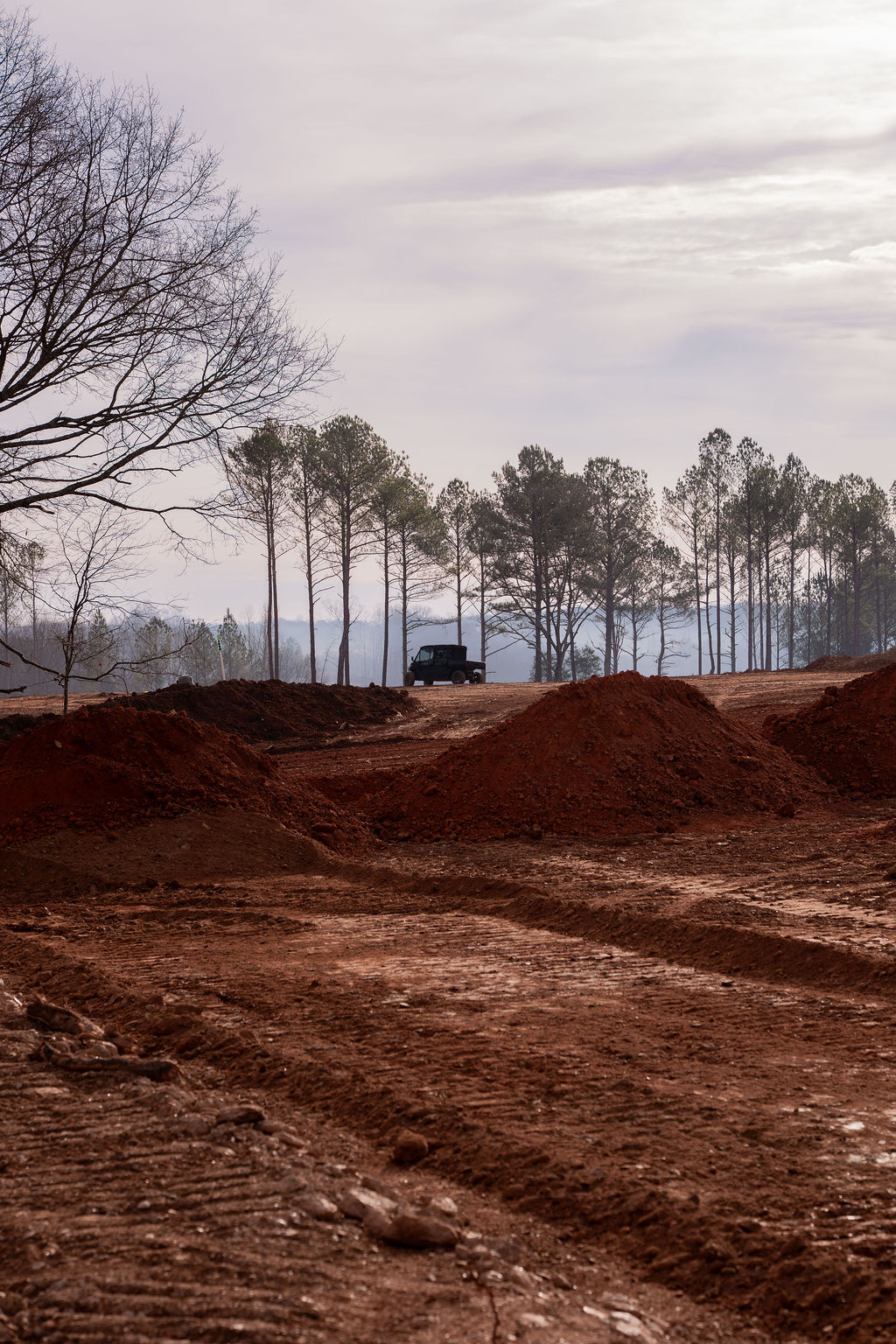
August 2025 kicked off the project with a mass clearing phase, in December the golf course contractor came in and they’re the group doing the fine features of the golf course, the irrigation, some drainage, shaping of the greens, tees, and fairways.
That is the current team on the grounds working on the project.
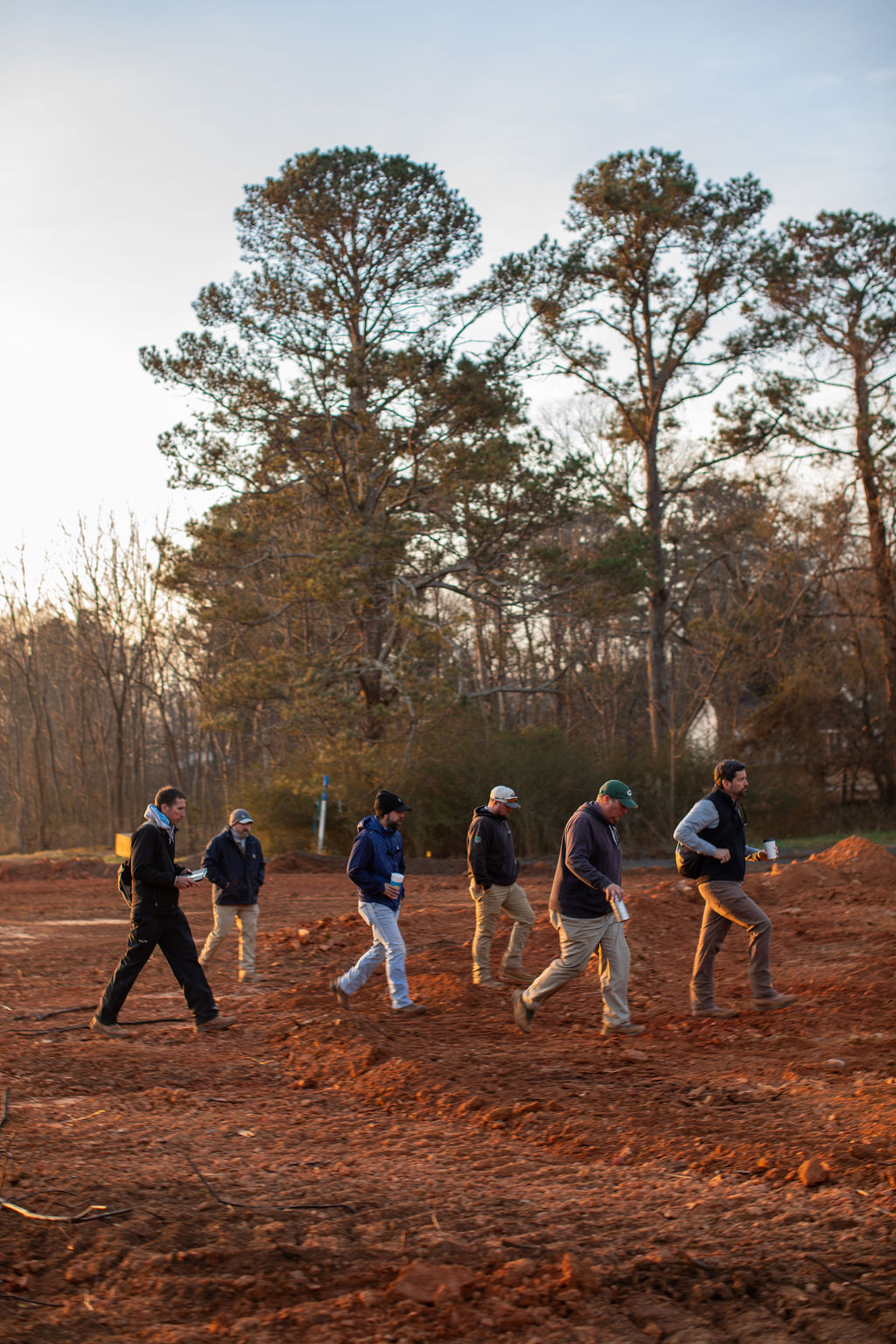

To keep members informed on the progress of the club, the club puts out a monthly newsletter acting as the main point of communication. Social media also plays a role in keeping members informed, plus events like a hard hat tour that happened last October with Green walking members out on the course.
“The name of the game is for these members to refer new, prospective members to me and keeping them informed has worked quite well in getting new members onboard,” he says.
Building membership is the biggest challenge Ferrell and his team are tackling.
Finishing touches
With a little over a year to go, Ferrell says the project still needs to finish the clubhouse design and then phase the building of those facilities.
“We’re going to do the Pro Shop on the back of the practice tee, then move into the building of the main clubhouse, which will take some time,” he says.
The course will open during the construction of the main clubhouse and Ferrell says a temporary clubhouse facility will be open to members.
“The most fundamental thing when doing a project like this is you have to really try to make good decisions about the partners you pick,” says Ferrell. “We have a super talented team from Andrew Green designing our course, Joel Newman, our clubhouse architect, and the Hughes agency that has helped us get the word out about our project.”
Along with a great team, Ferrell believes the uniqueness of the club being golf-only will help differentiate Kawonu Golf Club from competitors.
“Everything we’re doing is designed to be at the highest level,” he says. “Having only golf, there are no competing amenities, it’s going to create a culture of people who love golf and everything it represents.”
Ferrell believes the whole makeup of the membership is going to create a “neat part of that culture, where you’ve got local Greenville people interacting with people from around the country.”
Already, Kawonu Golf Club membership spans across 60 cities, and having people from different parts of the country meeting each other and playing golf together is going to drive the culture at Kawonu GC.

Tell Us What You Think!
You must be logged in to post a comment.