 Five years after joining Carmel Country Club as its Director of IT, John Woodall’s responsibilities extend far beyond keeping systems online. He spends much of his time thinking about cybersecurity, infrastructure, vendor management, AI and the long-term technology decisions that support both staff and members.
Ahead of Club + Resort Business‘s upcoming webinar on the connected member experience, Woodall shared how his role has evolved, what clubs often overlook and where he believes technology is headed next.
Club + Resort Business (C+RB): You worked with Carmel Country Club for nearly 20 years before joining the staff full time. What changed when you went from being an outside consultant to an employee?
John Woodall (JW): When I was with the managed service provider, it was always, “Here’s the list of things we need done.” We were fixing whatever was in front of us that week. Once I came on staff, I could finally focus on the things that keep technology running well instead of just reacting to problems.
I use the analogy of maintaining a car. Everybody notices the flat tire because it has to be fixed immediately. But somebody also has to change the fluids, monitor the engine and make sure everything else is healthy. That’s what I can spend my time doing now.
C+RB: What surprised you most after stepping into the role?
JW: How many things clubs simply accept because they don’t have someone dedicated to technology.
There were a lot of opportunities to be proactive instead of reactive. If you don’t have someone looking at firmware updates, hardware life cycles, security or infrastructure, you don’t necessarily realize what you’re missing because the systems are still working. You just don’t know how much better they could be.
C+RB: Many clubs still rely entirely on an outside IT provider. Why has Carmel chosen to have both?
JW: There’s no way one person could manage everything.
Our managed service provider still handles backups, monitoring and a lot of the day-to-day operational work. They make it possible for me to focus on planning, vendor management, security, infrastructure and helping departments solve problems before they become bigger issues.
It’s not either/or. It’s a partnership.
C+RB: What does a typical day actually look like?
JW: There really isn’t a typical day.
Some days I’m reviewing cybersecurity or updating network equipment. Other days I’m working with software vendors, planning equipment replacement cycles or helping departments evaluate new technology. I also spend a lot of time making sure different systems work together because clubs rely on so many different technology platforms today.
C+RB: Can you share an example of a problem members would never know existed?
JW: We discovered our irrigation system had remote access directly into our network. The team needed that access, but the way it was configured created unnecessary risk.
We redesigned it so they could still do everything they needed to do without exposing the rest of the club’s network.
Nothing changed for the user. Everything changed from a security standpoint.
C+RB: Artificial intelligence is dominating technology conversations right now. How are you approaching it at Carmel?
JW: We know employees are already using AI. Rather than pretending it isn’t happening, we’re piloting Claude internally because we’d rather provide a secure, approved environment with governance than have people using different tools on their own.
It’s about embracing the technology responsibly instead of ignoring it.
 Carly Wilson, Communications & Technology Manager at Forsyth Country Club in Winston-Salem, N.C.
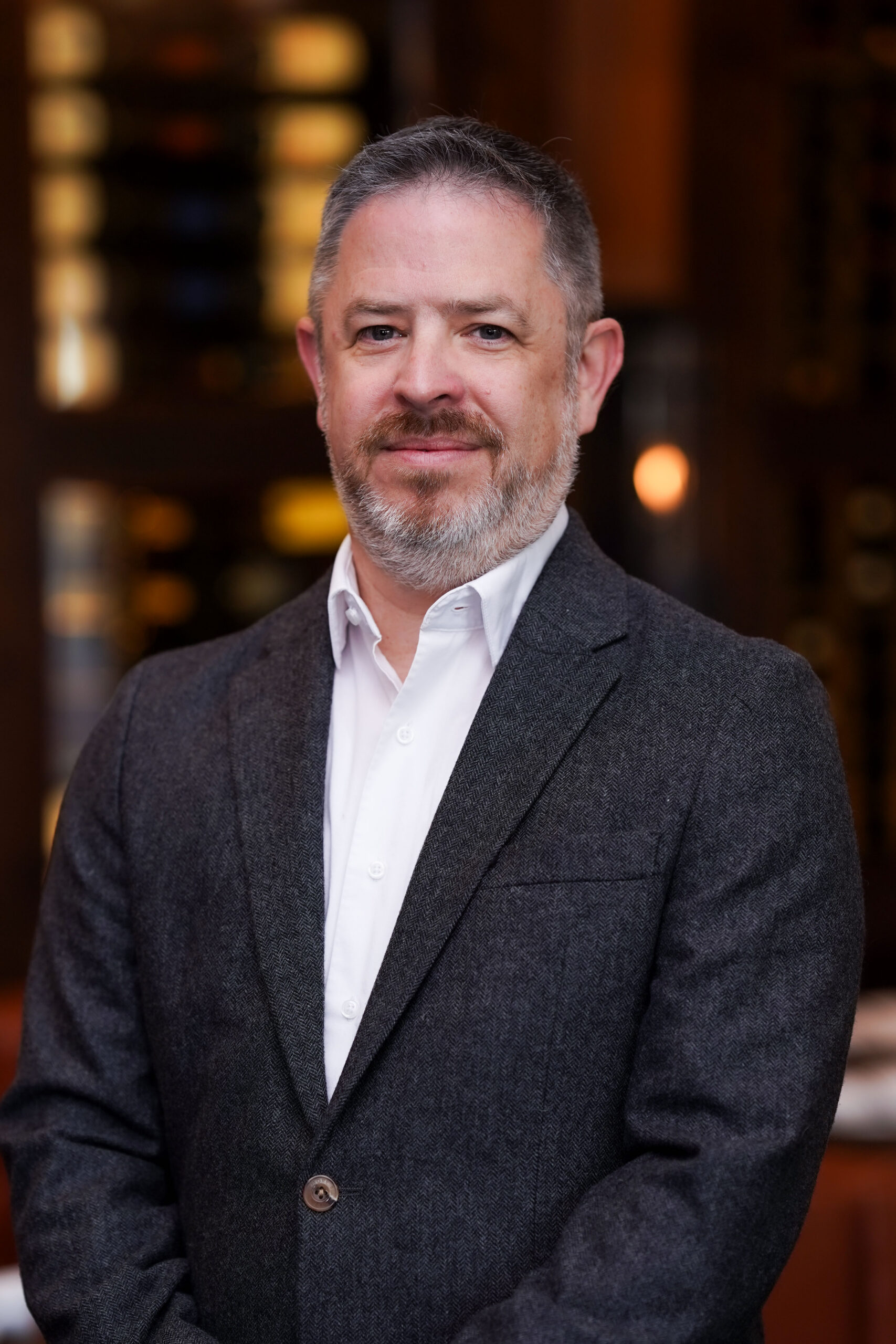 John Woodall, Director of IT at Carmel Country Club in Charlotte, N.C.
Learn More: John Woodall will join Carly Wilson, Communications & Technology Manager of Forsyth Country Club in Winston-Salem, N.C., for a Club + Resort Business webinar exploring how technology is reshaping the member experience, from the systems members never see to the ones they use every day. Join the conversation.
C+RB: Where do you see AI eventually improving the member experience?
JW: One idea we’ve discussed is conversational reservations.
Imagine a member saying, “Book me a tee time at 9 a.m. Friday.” The system checks availability, looks at the weather, suggests another time if necessary and completes the reservation without the member opening multiple screens.
Those are the kinds of experiences I think members will eventually expect.
C+RB: You also spend a lot of time thinking years into the future. Why is long-range technology planning becoming so important
JW: Technology can’t be an afterthought anymore.
If the club is planning a new building or a renovation, I need to know early. We have to think about fiber, wireless coverage, infrastructure and everything that supports those projects before construction starts.
It’s much easier—and much less expensive—to build technology into a project than to retrofit it later.
C+RB: What advice would you give clubs that don’t have someone in a dedicated technology leadership role?
JW: Bring technology into strategic conversations earlier.
Whether it’s a renovation, a new member amenity or evaluating new software, technology should have a seat at the table from the beginning.
If IT only gets involved after decisions are made, you’re usually playing catch-up.
C+RB: How do you know you’re doing your job well?
JW: When nobody notices.
If members can make reservations, employees have the tools they need and everything simply works, that’s success.
The goal is for technology to support the club experience without becoming part of the experience itself.