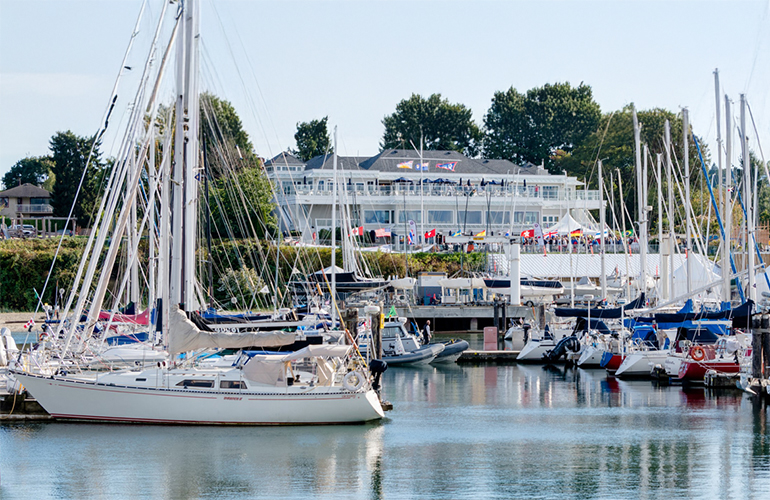
 In an era of rapid technological advancements and shifting societal values, private clubs face a critical challenge: staying relevant to the next generation. Traditionally appealing to older members, clubs must now engage Millennials and Gen Z, who seek inclusivity, meaningful experiences, and alignment with their values. To thrive, clubs must bridge the gap between tradition and innovation.

AmirAli Zinati
To connect with younger members, clubs must first understand their values and preferences. Millennials and Gen Z prioritize:
• Authentic Connections: They seek genuine relationships and community-driven experiences, preferring clubs that create meaningful social interactions rather than transactional memberships.
• Experiential Living: Experiences matter more than material status. Exclusive events, adventure-based activities, and wellness initiatives resonate strongly with them.
• Digital Integration: This generation has grown up in a digital world and expects seamless technology in all aspects of life. A lack of digital presence can make clubs feel outdated.
• Social Responsibility: Sustainability, diversity, and inclusivity are essential factors in their decision-making. Clubs perceived as exclusive in an outdated sense risk losing their appeal.
• Flexibility: Younger generations value adaptability, whether in membership structures, event offerings, or club culture. Rigid rules may discourage them from joining.
Challenges for Private Clubs
Despite their prestige and offerings, private clubs struggle with several key barriers when engaging younger members:
• Perceived Exclusivity: Many younger individuals view private clubs as overly elitist, with high barriers to entry.
• Technology Gaps: Clubs slow to adopt digital tools risk being overlooked by tech-savvy members who expect seamless digital engagement.
• Outdated Membership Models: High initiation fees and long-term commitments can be a deterrent, particularly for younger professionals who prioritize financial flexibility.
• Lack of Alignment with Modern Values: Clubs that don’t embrace inclusivity, sustainability, and social impact efforts risk becoming obsolete in the eyes of the next generation.
Strategies to Bridge the Gap
1. Foster Inclusivity and Community
Building a sense of community is crucial for attracting younger members. Clubs can:
• Create welcoming spaces that appeal to diverse demographics.
• Organize culturally relevant events and networking opportunities.
• Actively seek feedback from younger members to evolve offerings.
2. Leverage Technology
Digital transformation is essential for attracting younger members. Clubs can:
• Develop mobile apps for event booking, communication, and payments.
• Strengthen social media presence with engaging and interactive content.
• Offer virtual events and hybrid membership models to reach a broader audience.
• Implement data-driven personalization for member preferences and services.
3. Rethink Membership Models
Traditional membership structures may feel restrictive. Clubs can appeal to younger demographics by:
• Introducing tiered, trial, or young professional memberships with flexible pricing.
• Offering pay-as-you-go options for specific club amenities and experiences.
• Partnering with co-working spaces, social clubs, or business groups to provide additional membership benefits.
• Providing family-friendly and guest-inclusive membership models that reflect the social lifestyles of younger professionals.
4. Focus on Experiential Offerings
Millennials and Gen Z are drawn to exclusive, curated experiences over static club access. Clubs can:
• Host skill-building workshops, leadership development programs, and industry networking events.
• Provide outdoor adventure activities, wellness retreats, and travel experiences.
• Curate themed dining events, wine tastings, or pop-up experiences that appeal to a younger crowd.
• Introduce interactive and immersive programming, such as mixology classes, sustainability projects, and mentorship opportunities.
5. Align with Social Responsibility
A strong commitment to social responsibility can make clubs more attractive to younger members. Clubs can:
• Implement sustainability initiatives, such as reducing plastic use, embracing renewable energy, and sourcing locally.
• Support charitable efforts and collaborate with social impact organizations.
• Prioritize transparency in governance, ensuring members feel involved in club decision-making.
Case Studies: Success in Action
• Sustainability at the Forefront: A prestigious yacht club introduced solar-powered docks and partnered with marine conservation organizations. This initiative not only reduced environmental impact but also attracted younger members passionate about sustainability.
• Technology Meets Tradition: A historic city club launched a mobile app that offered personalized event recommendations and virtual networking. The platform became a key selling point for Millennial members.
• Inclusive Membership Models: A golf club introduced a “Young Professionals Membership” with reduced fees and exclusive networking events, resulting in a 40% increase in Millennial membership within two years.
The Way Forward
Private clubs stand at a pivotal crossroads. To secure their future, they must embrace change while preserving the traditions that make them unique. The key lies in understanding younger members, innovating through technology, offering flexible membership models, and creating meaningful experiences. By aligning with the values of the next generation, clubs can remain vibrant, relevant, and thriving for years to come.
The next generation isn’t waiting—it’s time for private clubs to take the leap.




Tell Us What You Think!
You must be logged in to post a comment.