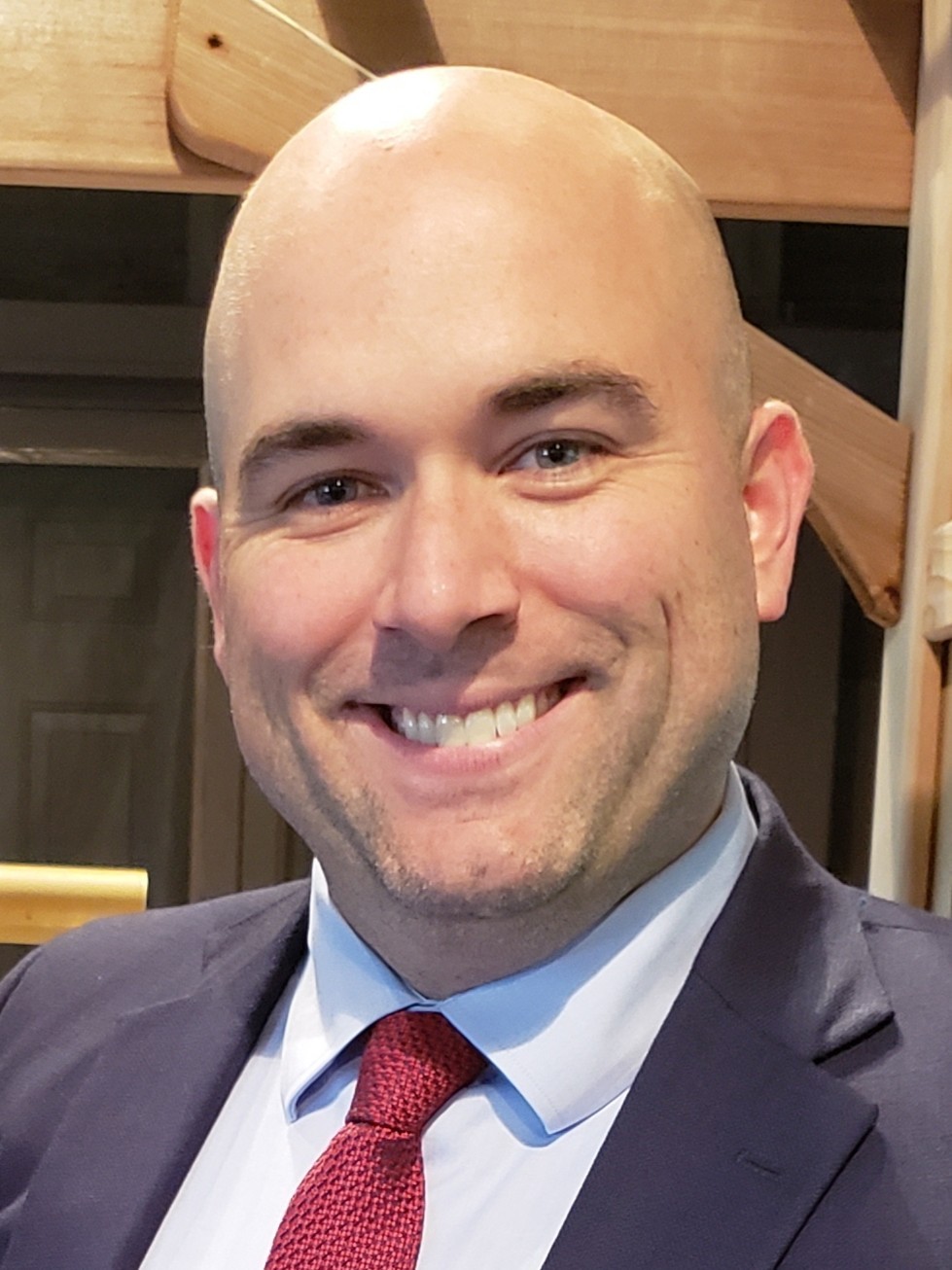
Paul J. Spencer, CCM, General Manager, Bloomfield Hills (Mich.) Country Club
For Paul J. Spencer, CCM, General Manager of Bloomfield Hills (Mich.) Country Club, the club’s identity comes down to two things: golf and dining.
“Bloomfield is a traditional golf environment,” says Spencer. “We’re really the only game in town that’s strictly golf and dining. We want our members to be able to come out and play whenever they want to play. And when it comes to dining, it’s exquisite fine dining. You won’t see prices on our menu. You won’t see a hamburger on the dinner menu. Now, we’ll make it for you, because that’s part of the experience. But when you come here, you’re coming for dinner.”
That clarity of identity has paid off. Membership is capped at about 340, and the club has been on a waitlist since early 2022. “We don’t lose many members,” Spencer explains. “People are happy here. We’re financially strong, and we’ve stabilized. It really feels like we’re firing on all cylinders.”
Stewardship of Tradition
The club codifies its values in a “Blue Book of Traditions,” which members and staff reference regularly.
“It’s important for us to make sure our members are well aware of what our traditions are and to uphold them,” Spencer says. “Each member takes it personally to be a steward of that tradition. That makes it easier for us as professionals to manage toward that brand, because there’s no question about who we are.”
Governance supports this consistency. “We’ve got a supportive board, an executive team rowing in the same direction, and leaders who understand the culture of the club,” Spencer adds. “That alignment makes all the difference.”
A Walking Club with Oceanfront Views
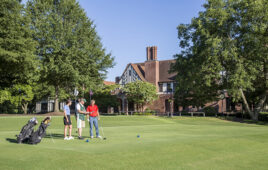
Golf defines the member experience at Bloomfield. The club averages 12,000 rounds a year, with nearly 35 percent played as nine-hole rounds. Most of those rounds are walked. “We’re about 60/40 walking to riding in season,” Spencer explains. “There’s really nothing like playing with caddies. That’s the way our board wants it, it’s the way our membership wants it, and it’s the way the game has always been played.”
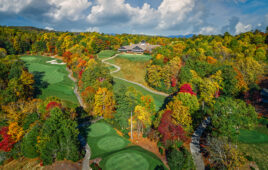
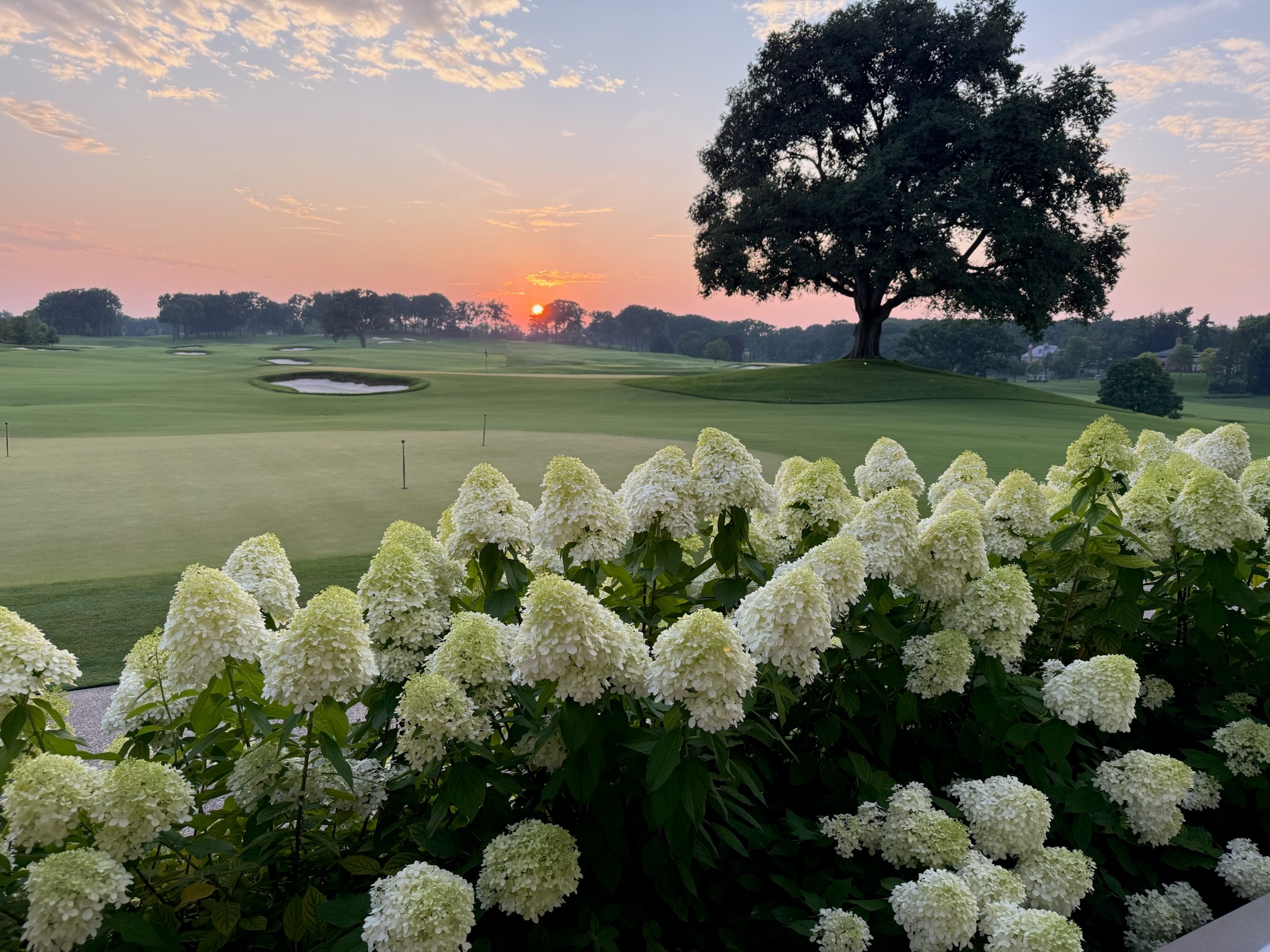
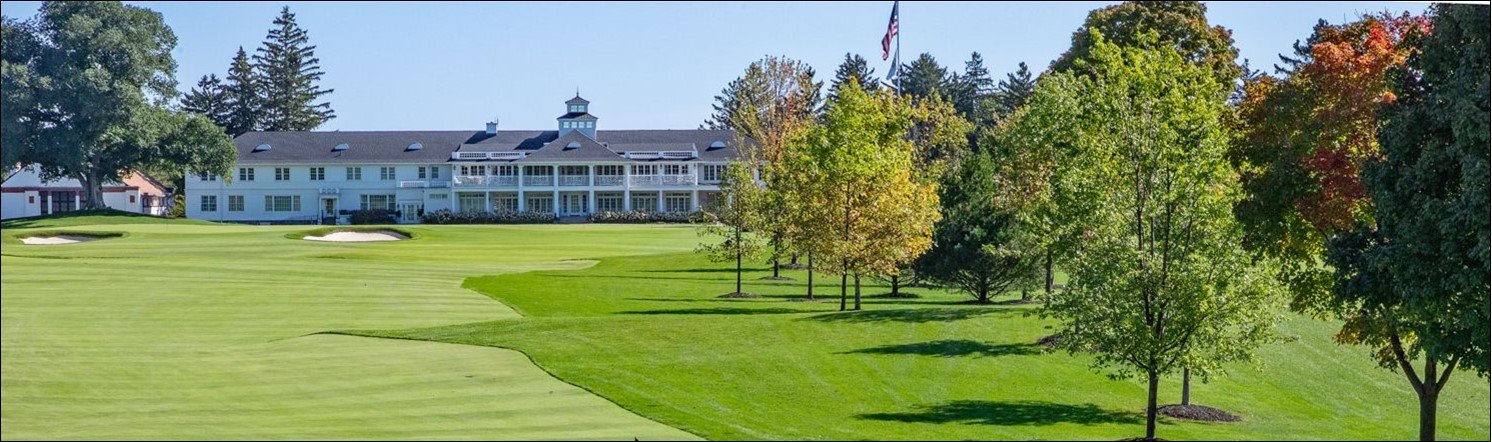
The setting amplifies the experience. “Our clubhouse faces west across the course,” Spencer says. “A consultant once told me it’s the equivalent of oceanfront views in the Midwest. You’ve got this long expanse of short grass with bunkering everywhere, number one and number eighteen fairways connected. People walk in, look left, and see something exceptional. That view sets the tone.”
Building a Model Caddy Program
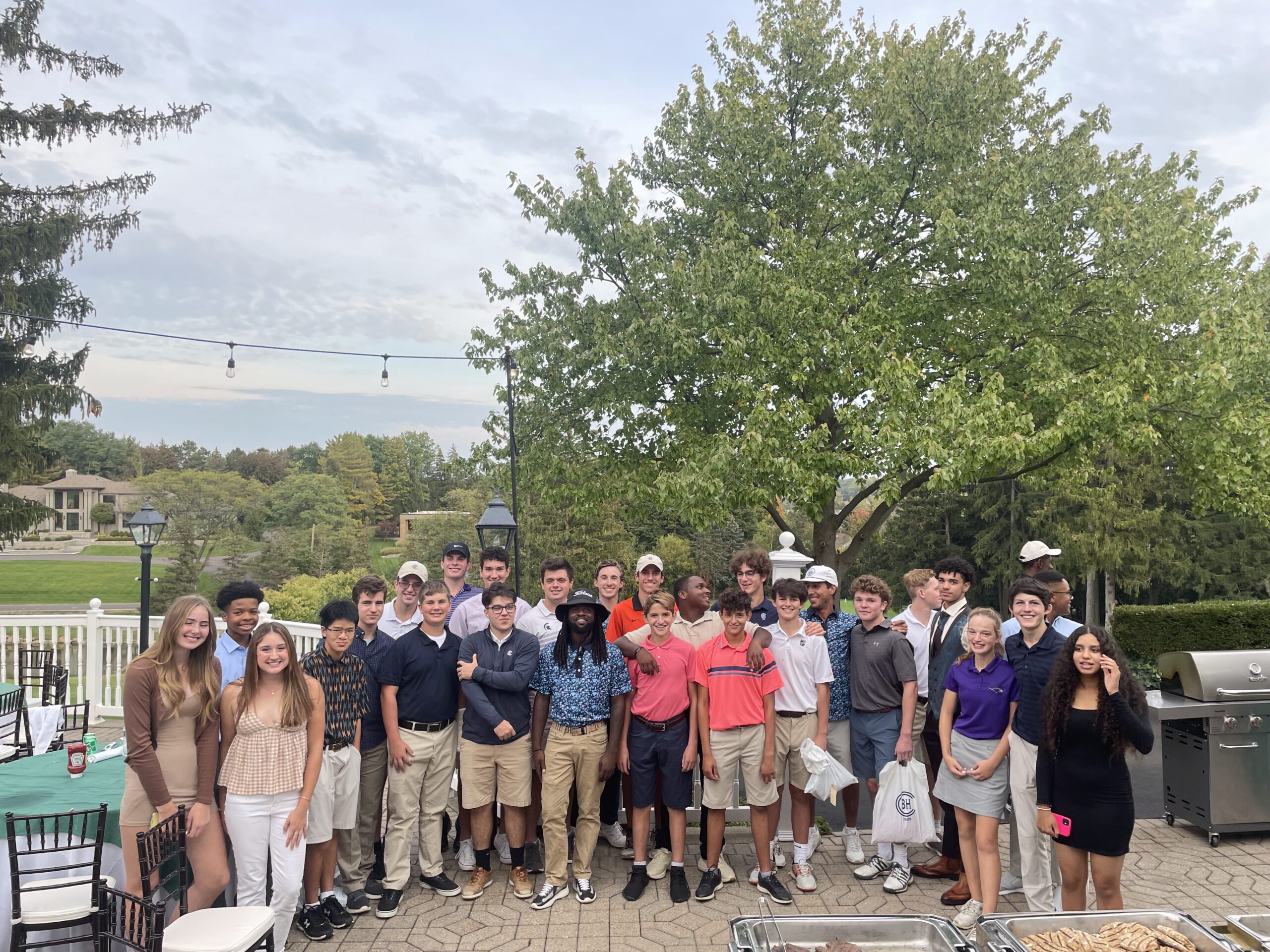 The caddy program is one of the club’s proudest assets. “In season, we have about 170 to 180 caddies, with a core group of 40 who are with us throughout the year,” Spencer says. “We require caddies before three o’clock in season, except for medical or age-related reasons. It’s part of our culture.”
The program is also an investment in young people. “We have a scholarship program with about $1.7 million in the fund,” Spencer notes. “We pay out around $100,000 a year, and we’re planning to increase that. It’s a really nice benefit for young people in our area. So many people come back and say, ‘I haven’t been here in 30 years, but I used to caddy here.’ That shows how deeply it connects to the community.”
Caddy Manager Derek Brown has been instrumental in professionalizing the system. “[Brown] has made a tremendous impact,” says Spencer. He pared down classifications, enhanced training, and encouraged member use. I get so many compliments about the caddy experience, and that’s a testament to him. He cares about the program and the kids who caddy for us.” His leadership has been recognized beyond the club. “He spoke at an Evans Scholars meeting and received a standing ovation,” Spencer recalls. “That tells you the kind of respect he’s earned.”
Training is deliberate, blending classroom sessions, on-course practice, and mentorship. “They’re working in March and April on course,” Spencer explains. “There’s classroom training, practical training with our pros and [Brown], and opportunities to learn from more experienced caddies. It’s an intensive process.”
Assignments are flexible, balancing member requests with operational needs. “Members might ask for a specific caddy, or request a pro caddy or a cadet,” says Spencer. “We try to meet those requests, but the priority is making sure every group has a caddy. On busy mornings, that takes a lot of maneuvering.”
Fine Dining Without Compromise
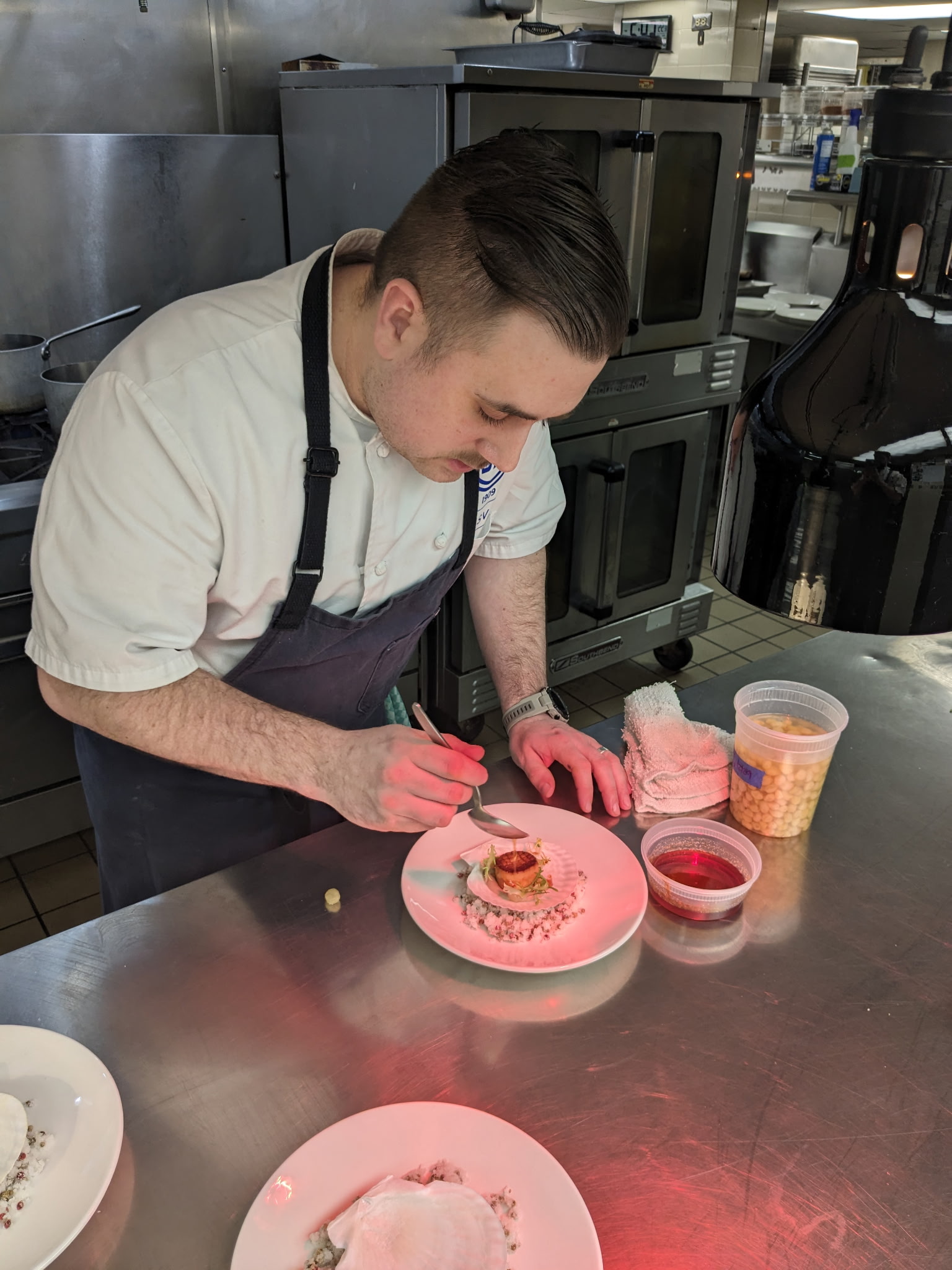 While golf defines Bloomfield Hills, dining gives it character. The club has resisted the casual trends shaping other properties. “We don’t turn tables here,” Spencer says. “You’re coming for dinner, and it’s a high-touch dining experience. That’s what our members expect.”
Executive Chef Steven Valenti leads the culinary program. “[Valenti] is super talented, organized, and diligent,” Spencer says. “He won a bronze medal at the ACF National Finals in Las Vegas, and he just keeps evolving. We’ve invested in his team by adding sous chefs and line cooks, which gives us continuity. When he took over, the most tenured person in the kitchen had been there for a year and a half. That’s unusual for a club. Now we’re building stability.”
The investment in people extends to golf as well. Head Professional Garrett Campbell restructured his team after joining in 2021, creating consistency that members notice. “This is the first year since I’ve been here where we’ve had all department leaders in place,” says Spencer. “You can see the difference in the experience.”
Looking Ahead
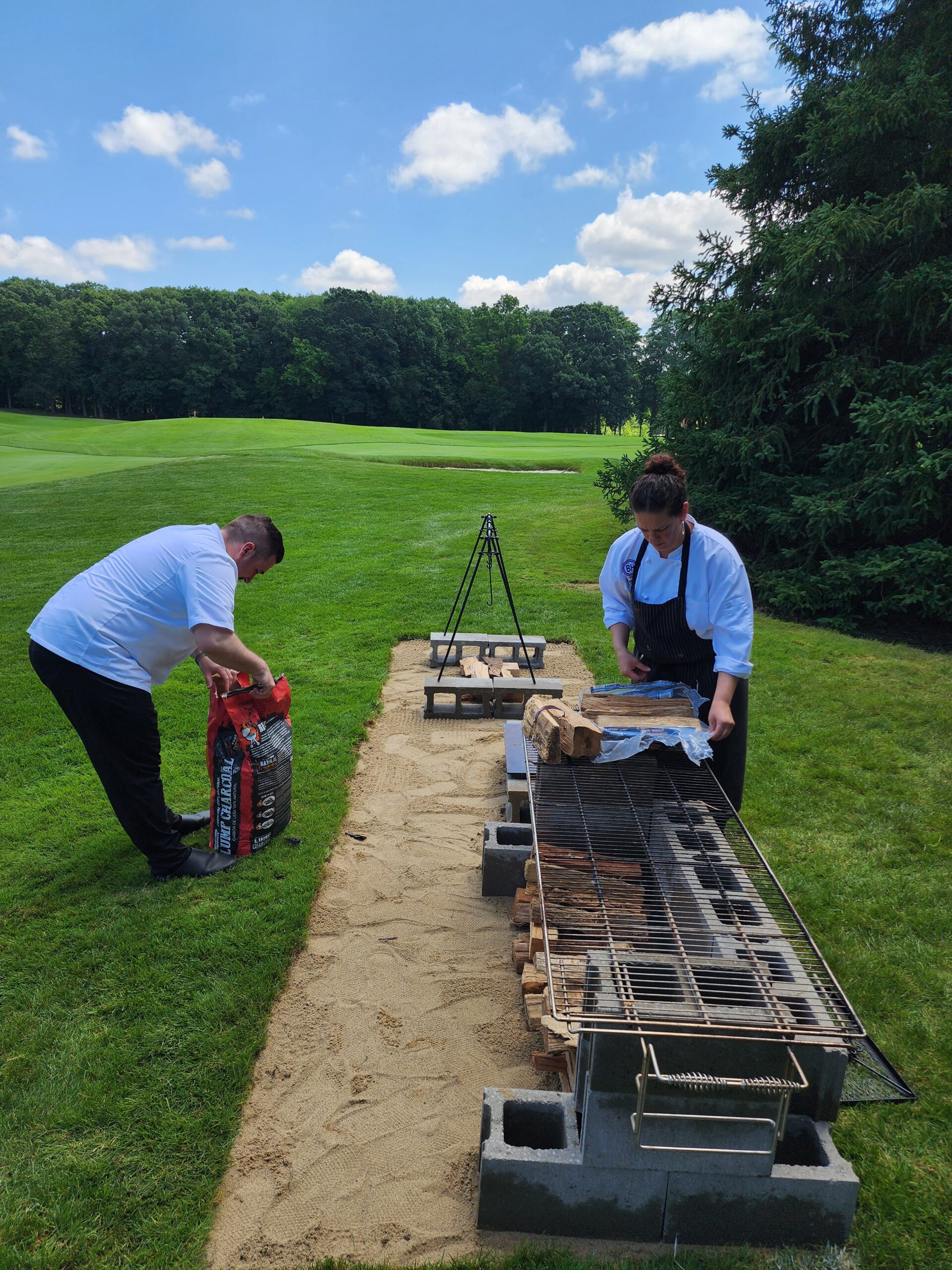
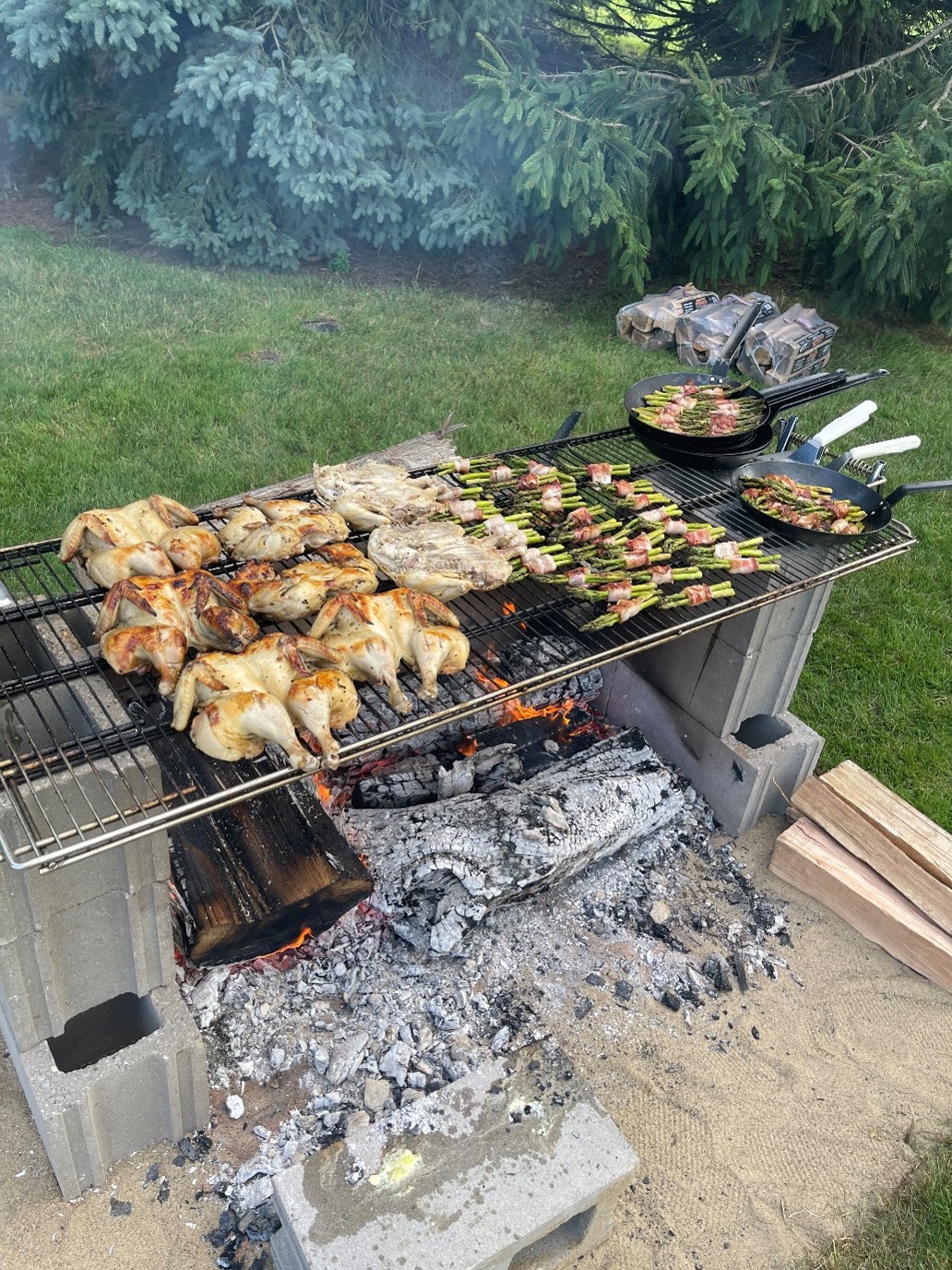
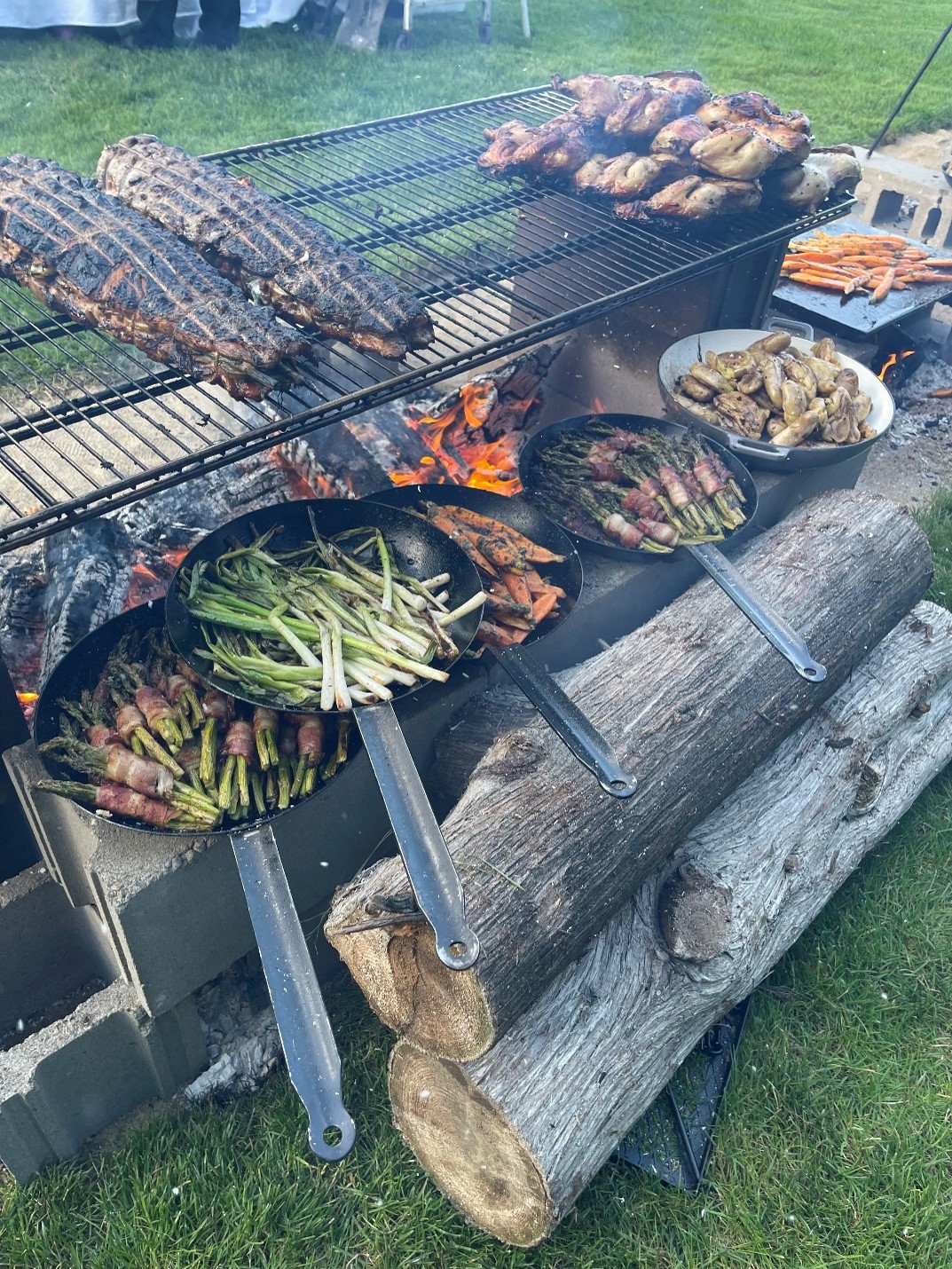
According to Spencer, the future is about balancing innovation with tradition. “We’re always looking for ways to provide opportunities for our members to interact in different ways,” he says. “We renovated our halfway house, which we call the Cottage at 13, and it’s as nice as anything you’ll see on a golf course. We’ve done open-flame cooking events out there that members love.”
He also sees opportunities to invest in staff facilities. “A positive membership experience is impossible without a great staff experience,” says Spencer. “Over the next few years, we’ll focus on improving employee spaces, including caddy facilities. Our board supports that, which is encouraging.”
At its core, however, Bloomfield Hills’ identity will not change.
“The most important thing for us is to be who we’ve always been and stay true to that,” says Spencer. “That means walking golf, caddies, fine dining, and a culture of tradition. It’s what makes us different, and it’s what our members value most.”