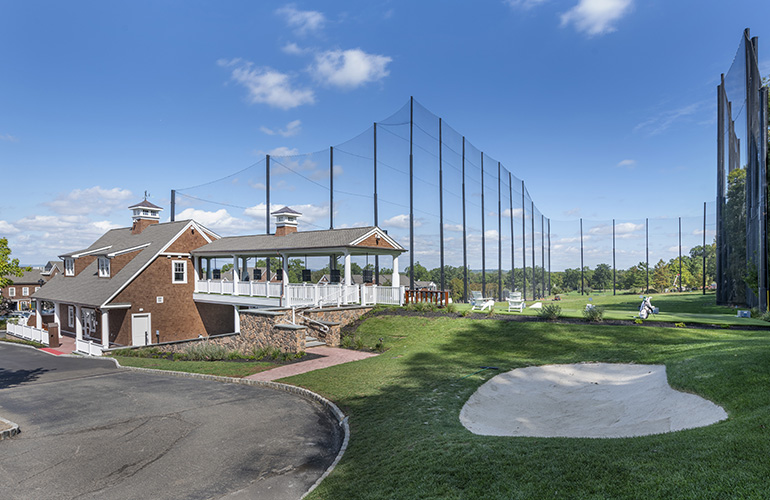
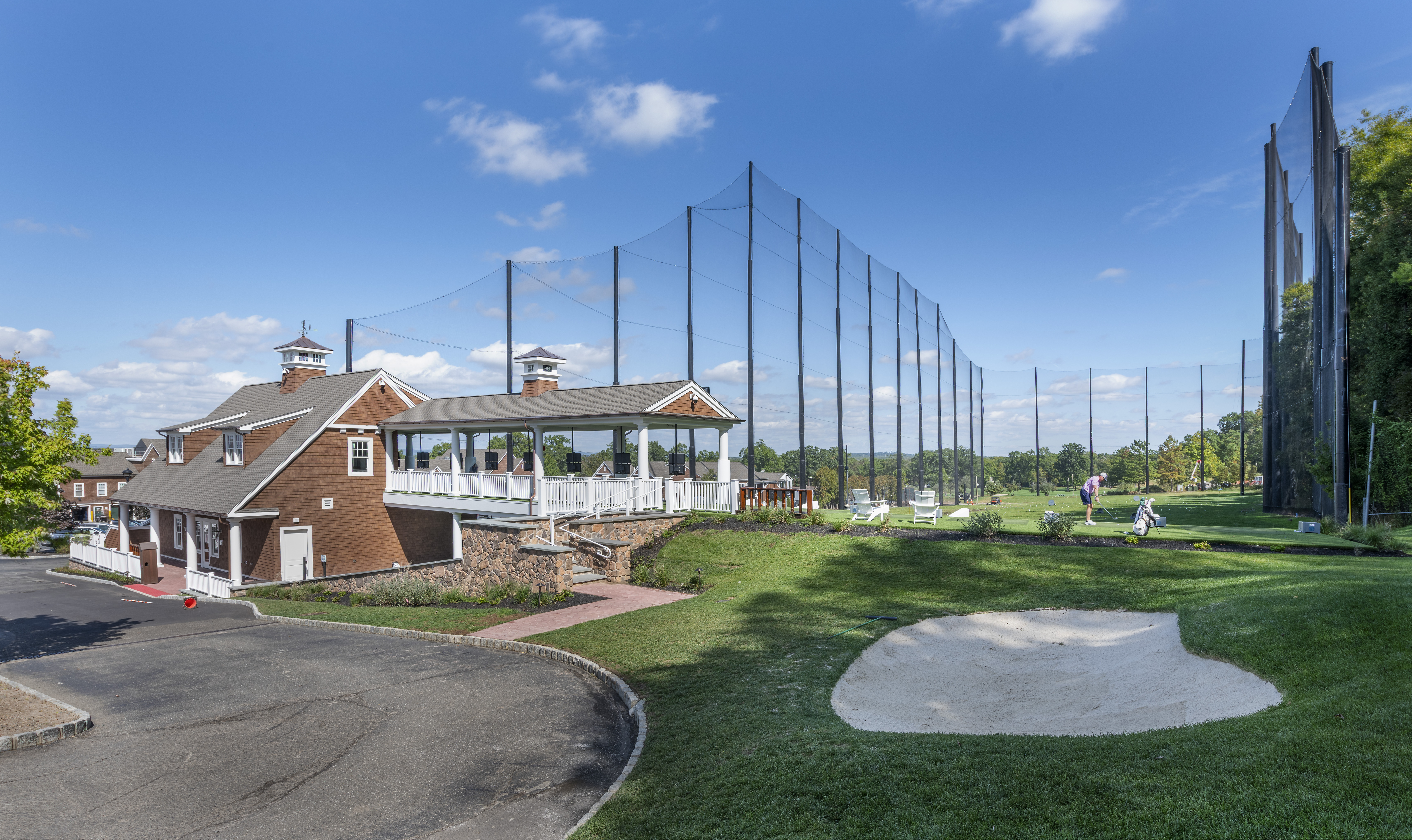
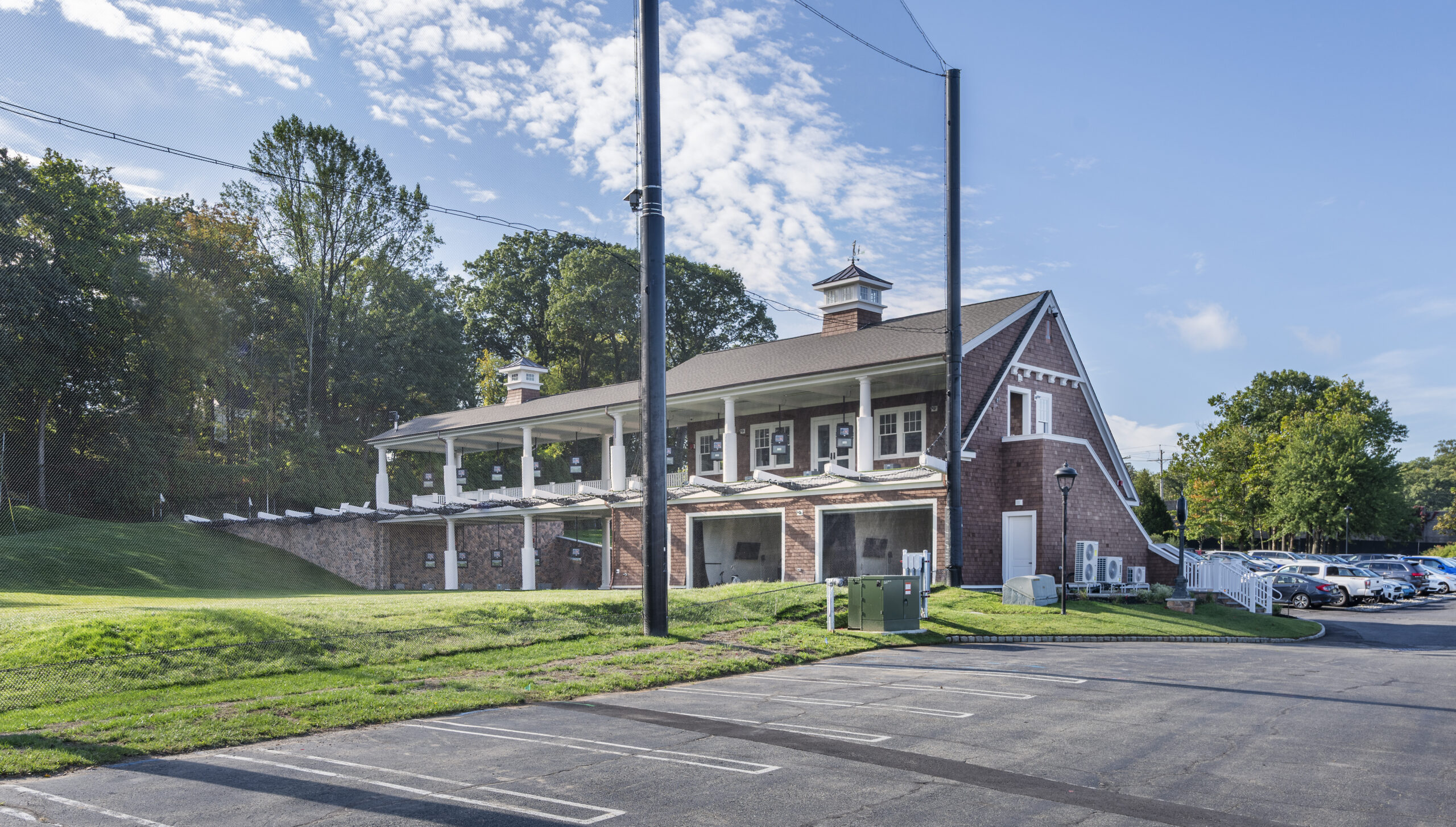
Space is tight at Canoe Brook Country Club in Summit, NJ. Homes border one side of the property and a mall borders the other, leaving no room to expand the practice range outward. The only option was to build up.
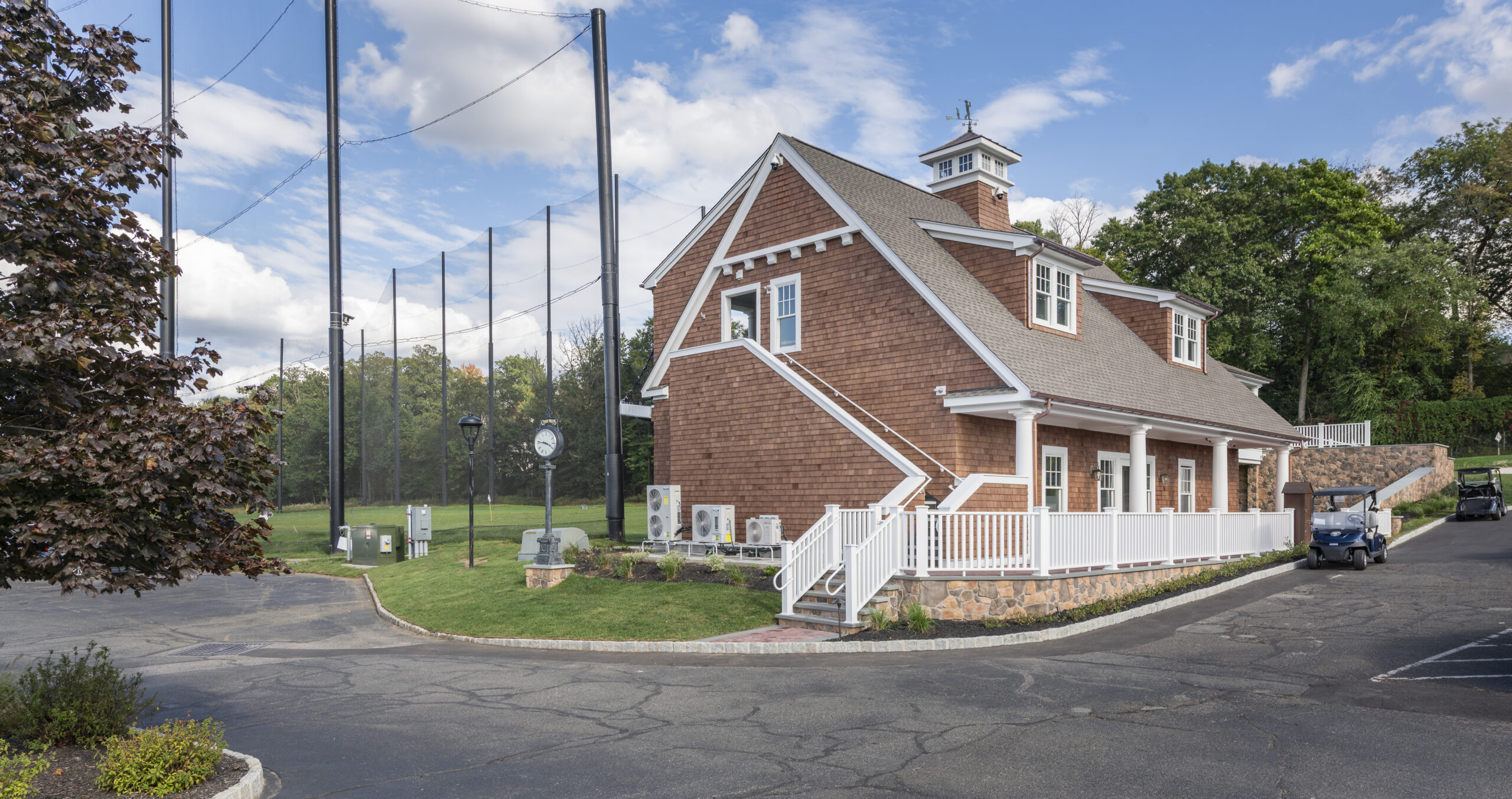
The result is a two-level, 23-stall practice facility that now rises behind the clubhouse. It introduces covered hitting space, dedicated coaching bays, and full-field technology that supports instruction, fittings, junior programs, and winter use. “We had nowhere to go but up,” says Director of Golf Reed Lansinger, PGA. “Building vertically was the only way to create the space our golfers needed.”


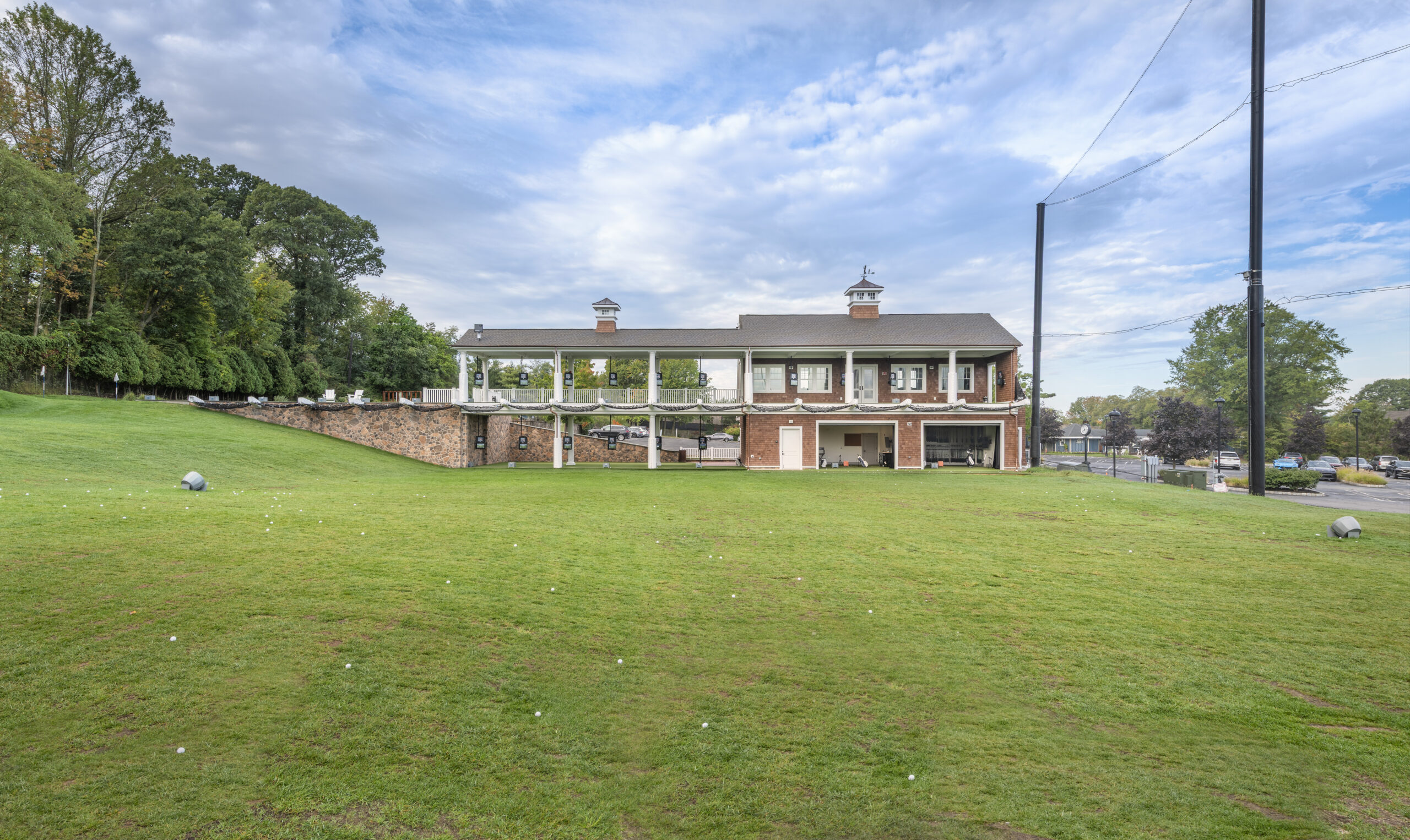
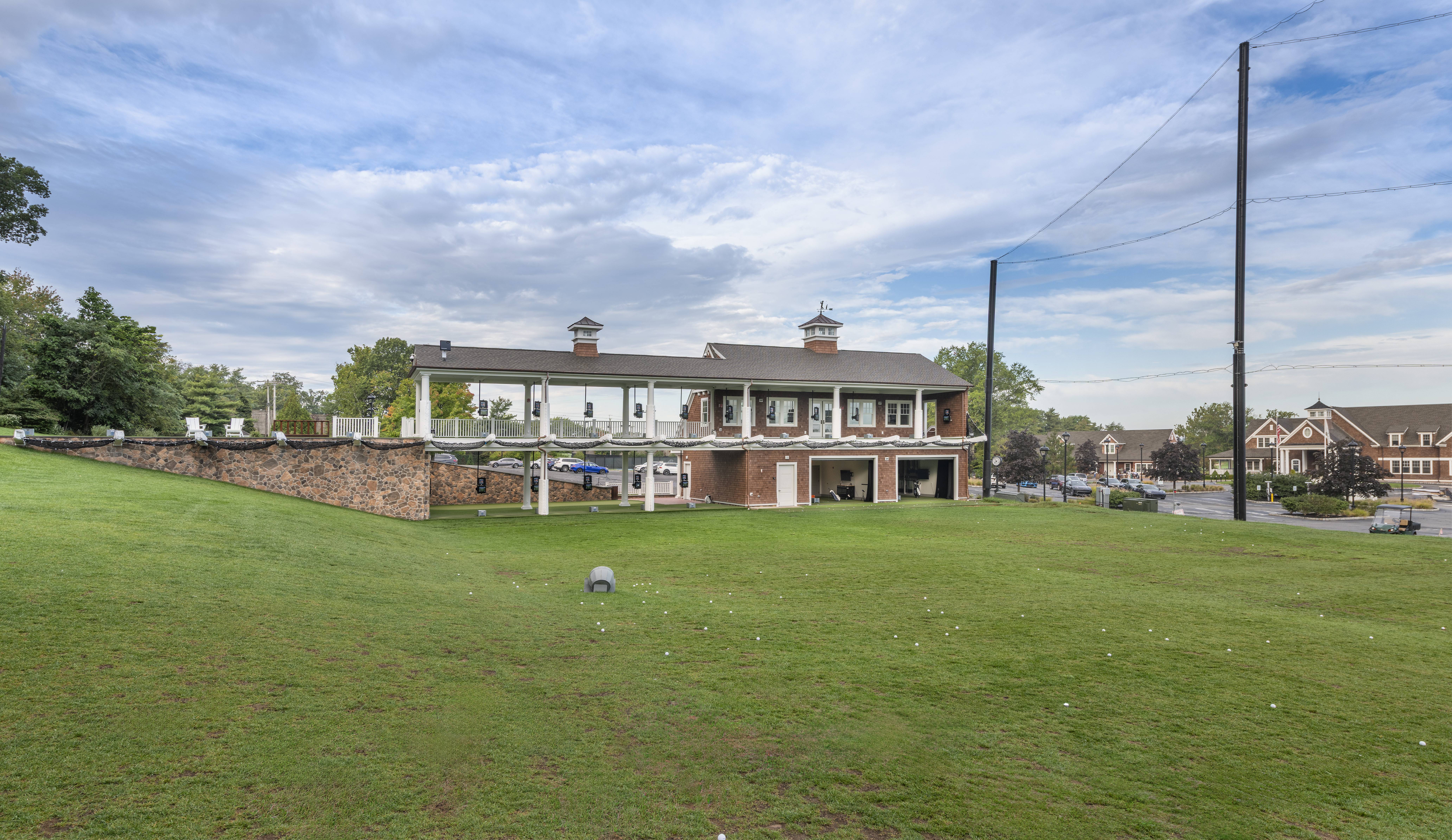
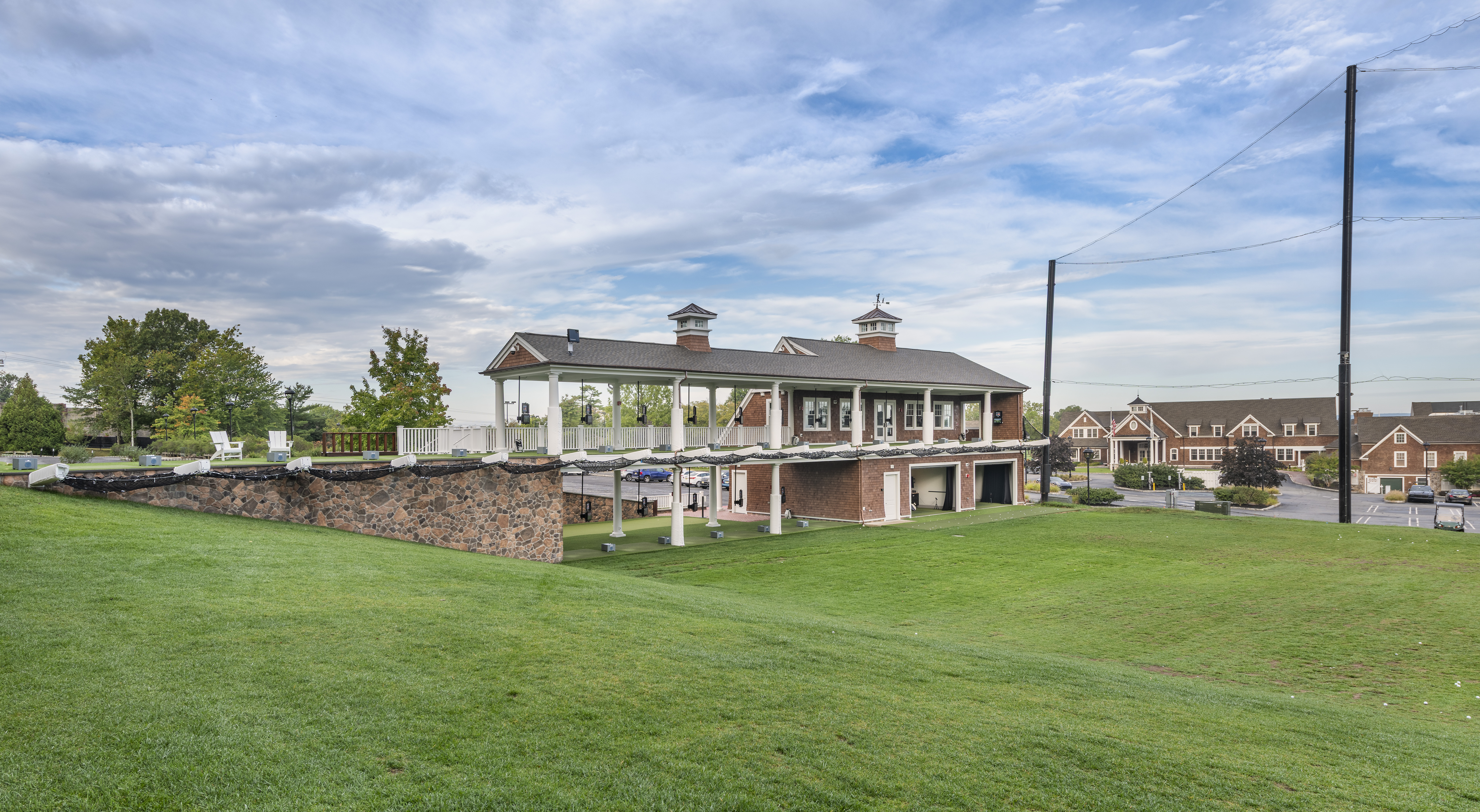
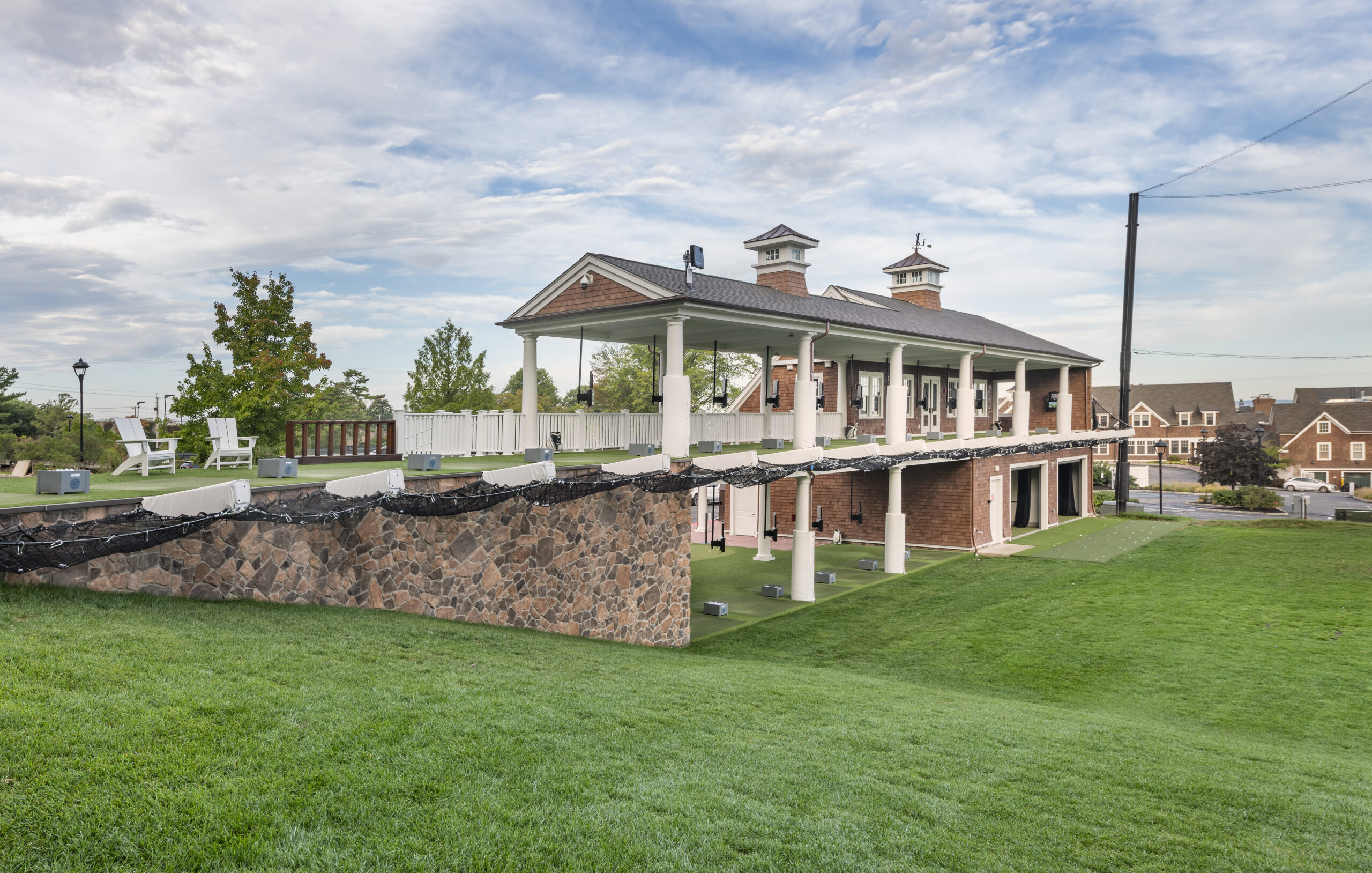
The project cost about three and a half million dollars and opened in July 2025. A full-field shot-tracking system now covers the range from end to end. Seventeen stalls include integrated display screens, and eleven offer overhead heat. The two enclosed coaching bays feature cameras, monitors, and complete fitting systems.
“We wanted something that matched how our staff teaches and how our members practice,” Lansinger says. “Every piece of it is designed with that in mind.”
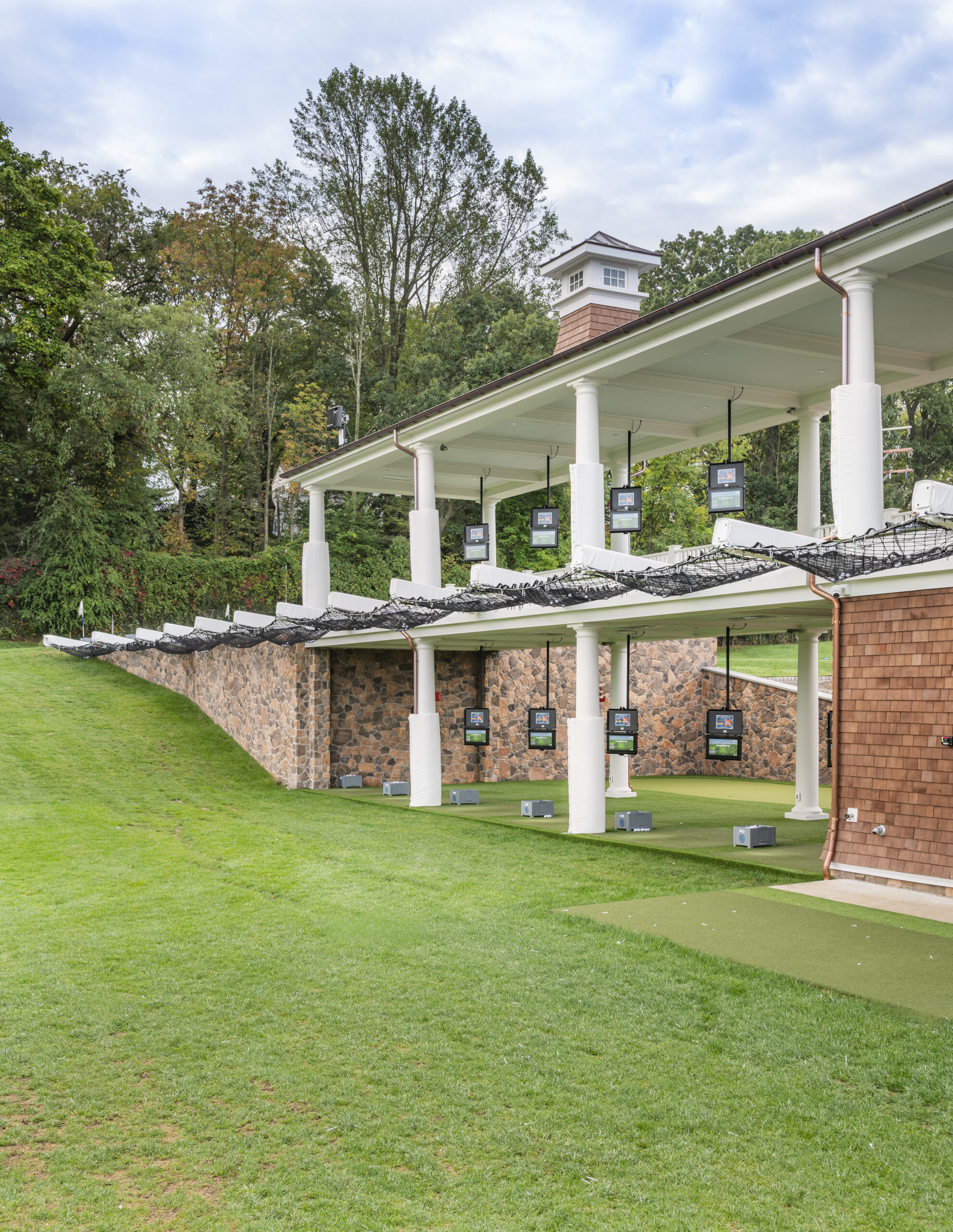
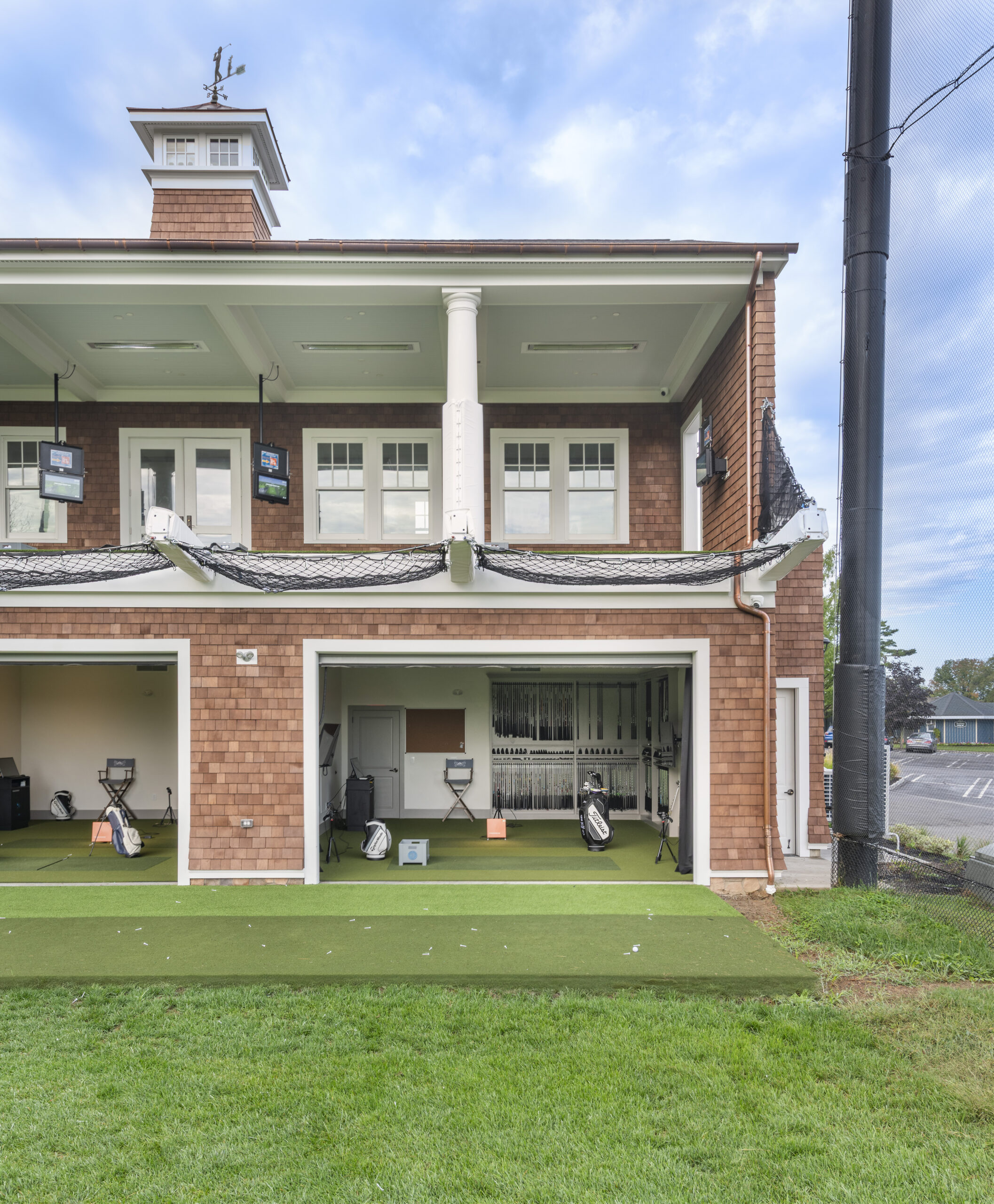
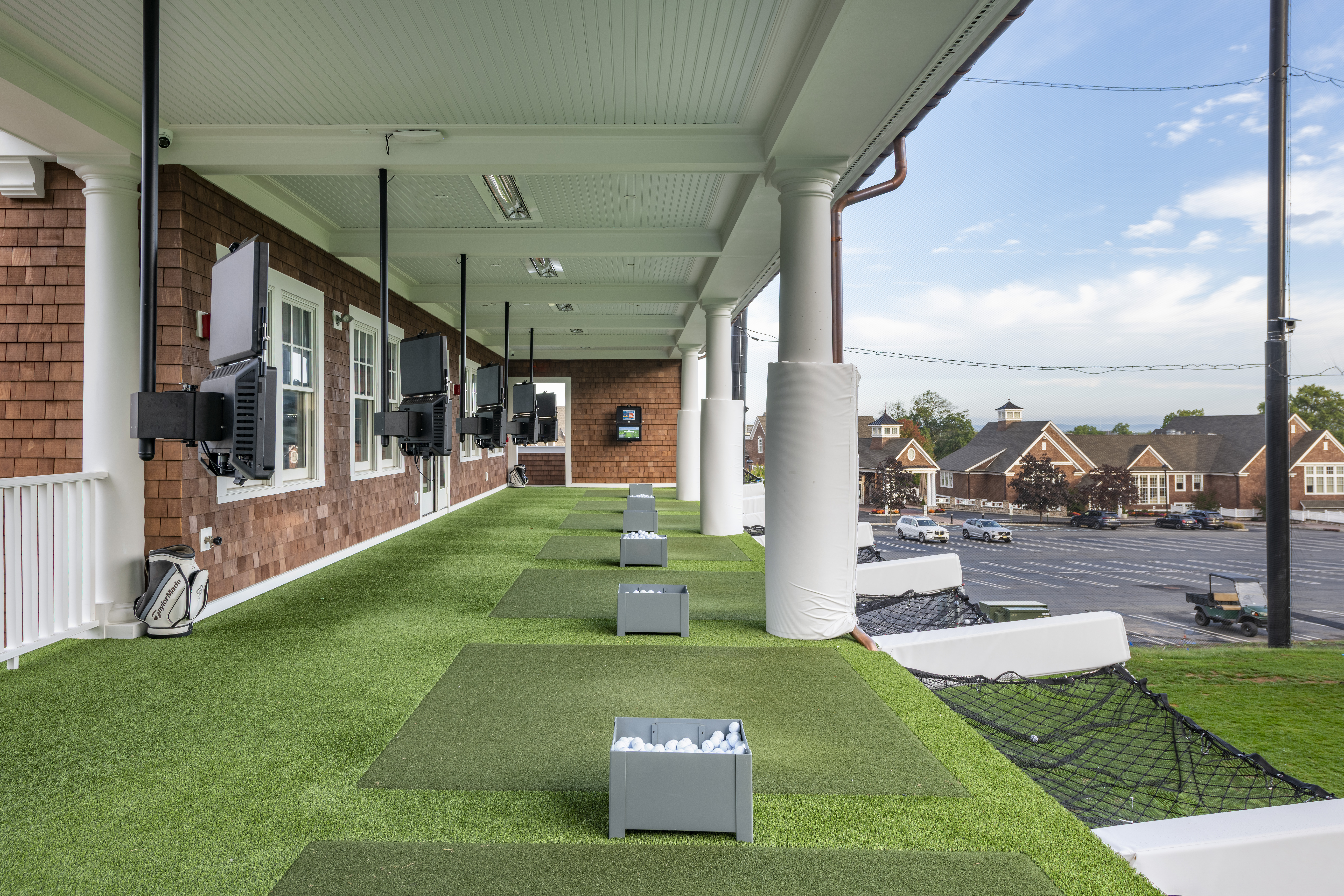
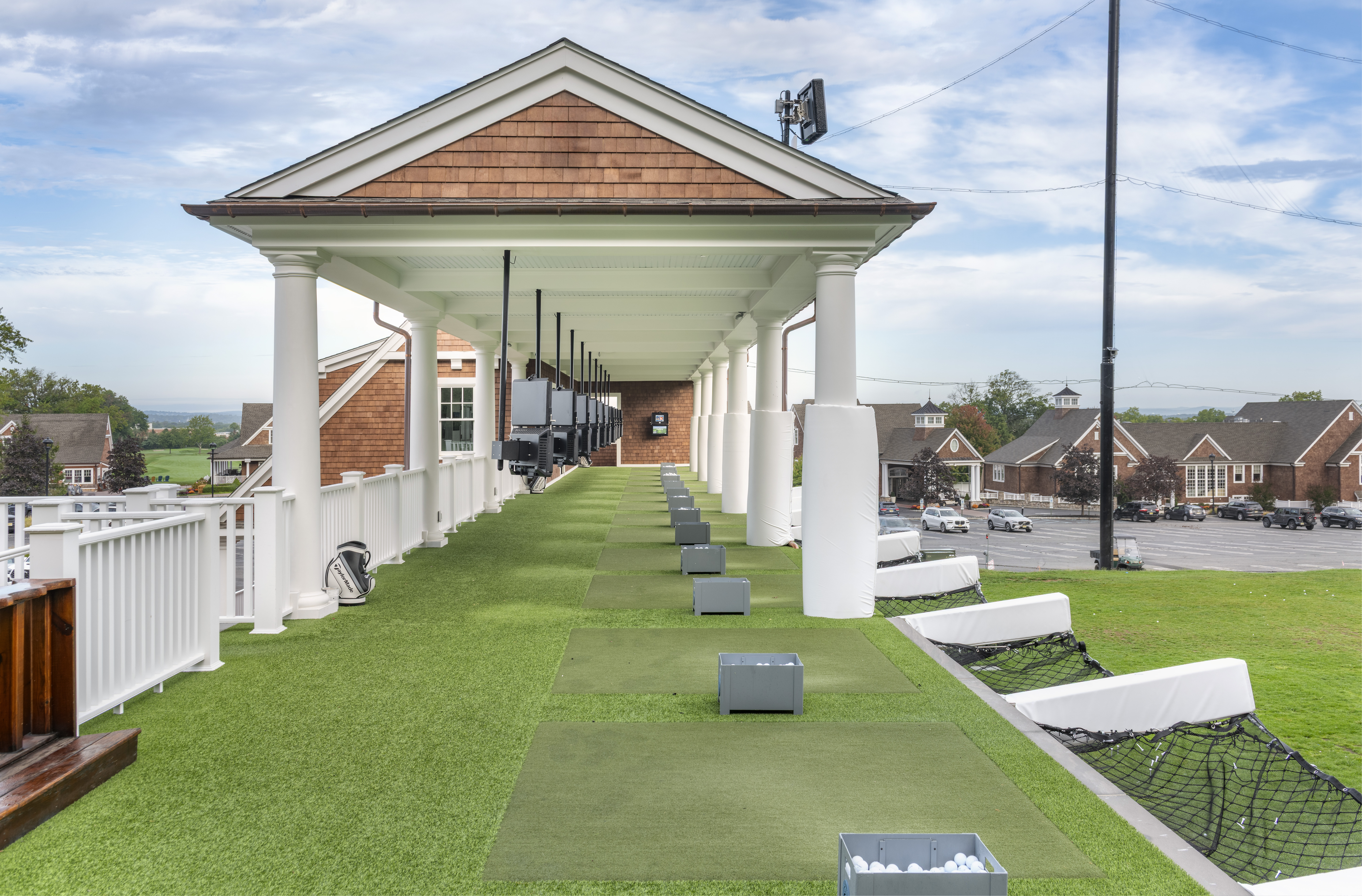
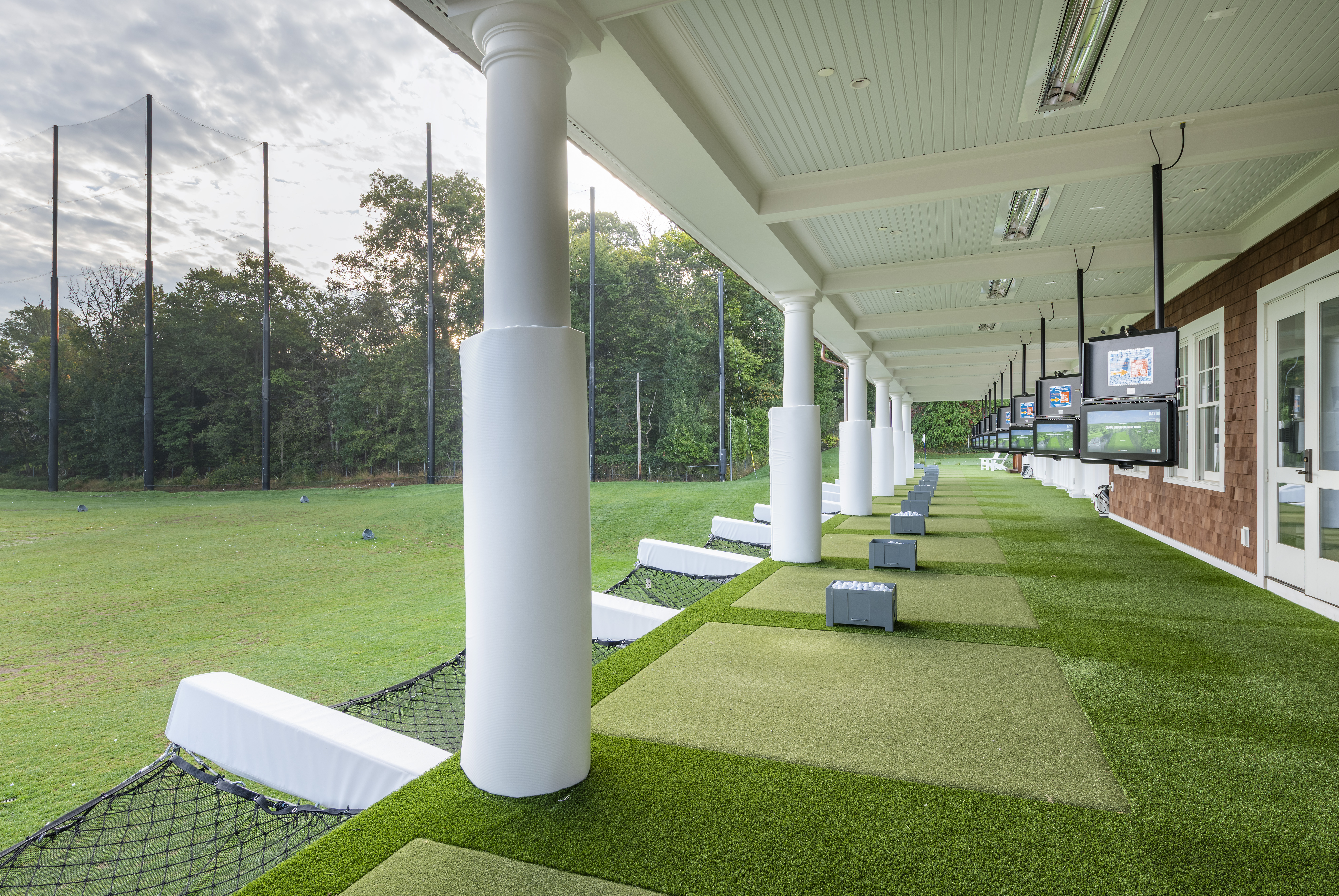
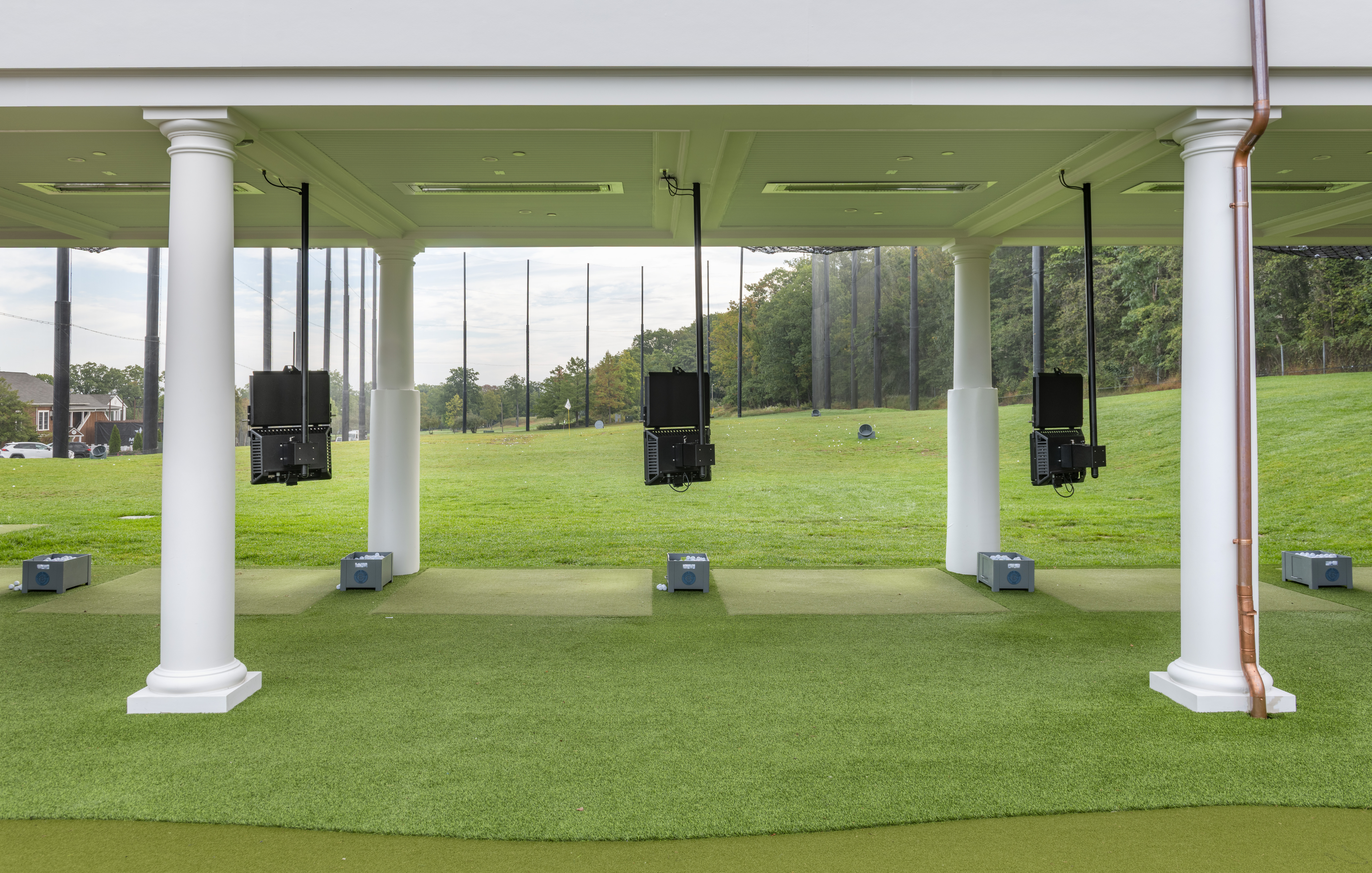
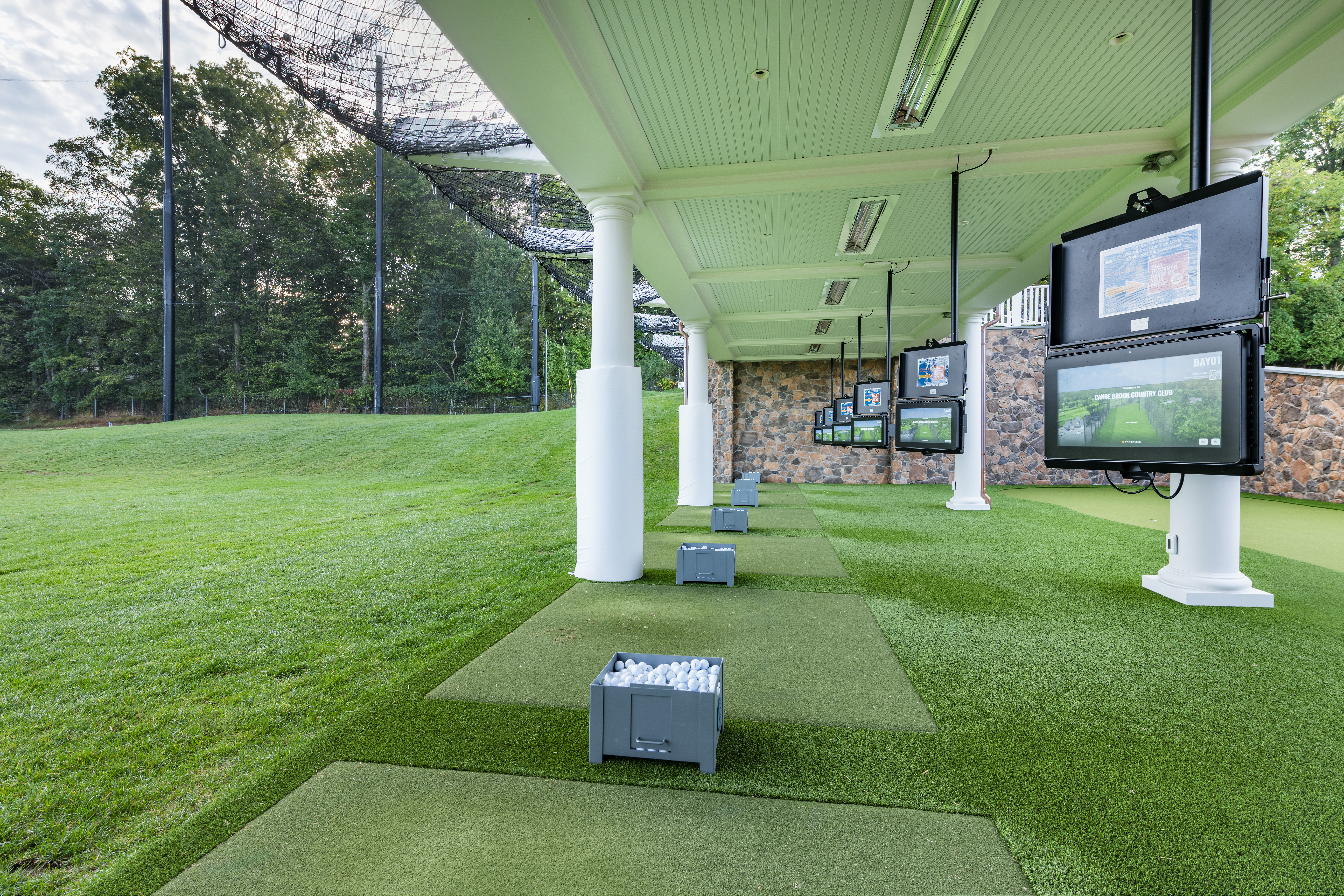
Members adopted the facility immediately. More than eight hundred thousand golf balls were hit between July and early fall. The previous range saw heavy use, but without measurable data.
“Now we can see exactly how members are using the space,” Lansinger says. “It became part of their routine right away.”
The way members practice has also shifted.
“People used to hit seventy balls in twenty minutes and call it practice,” Lansinger says. “Now they look at gapping, launch angles, dispersion. They can even play our North Course virtually from the tee line. They are working on shots that matter.”


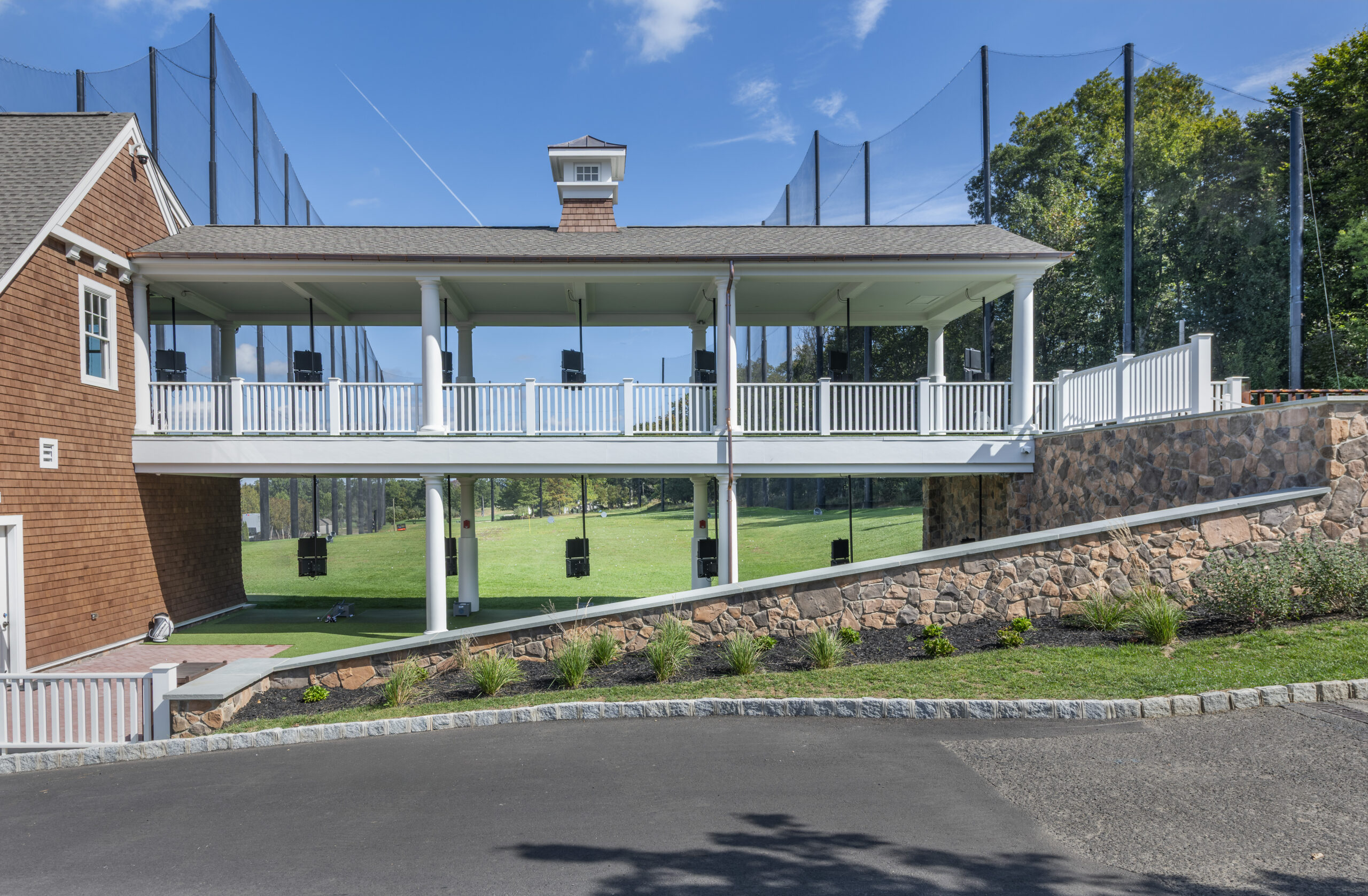
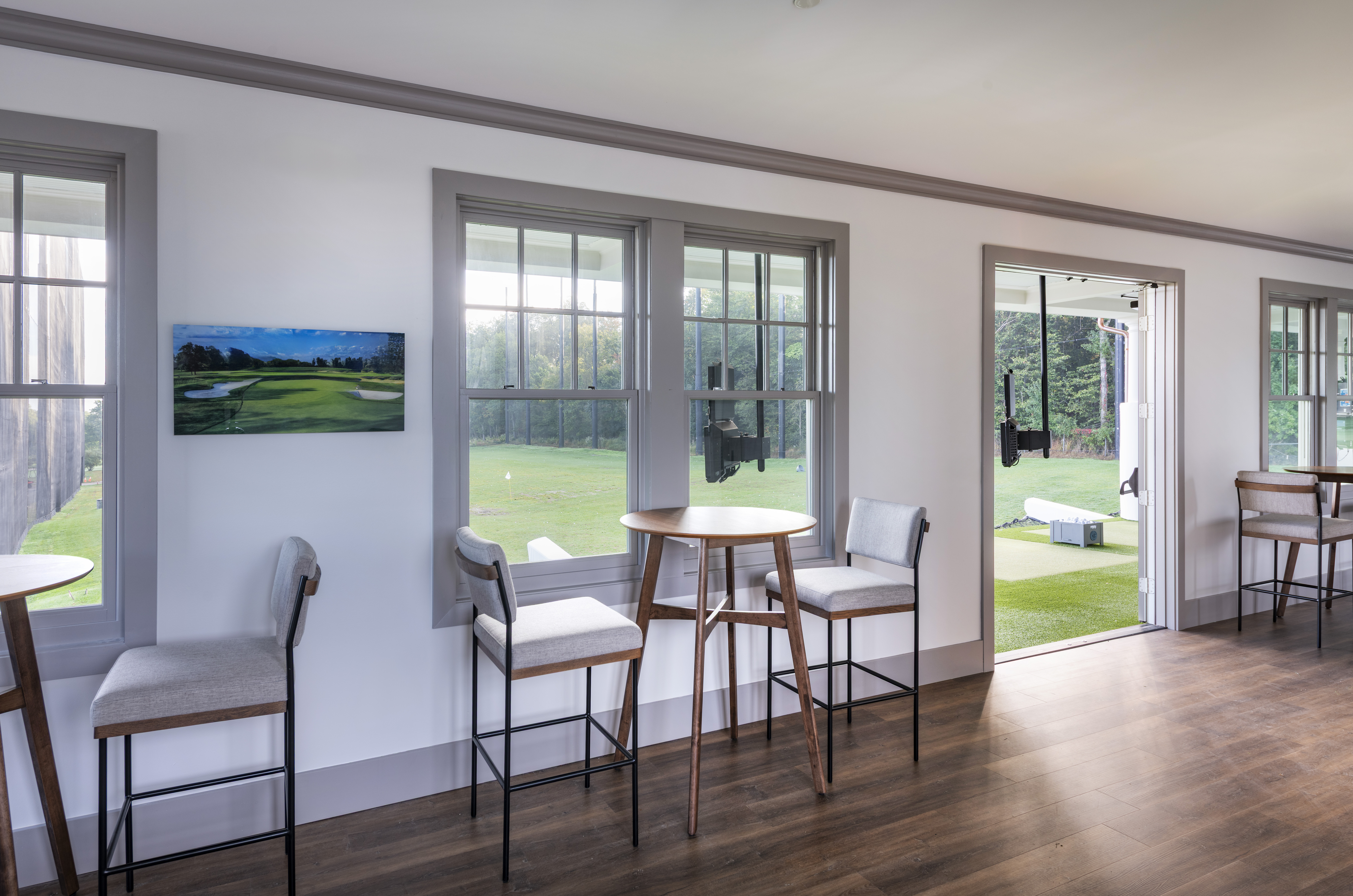
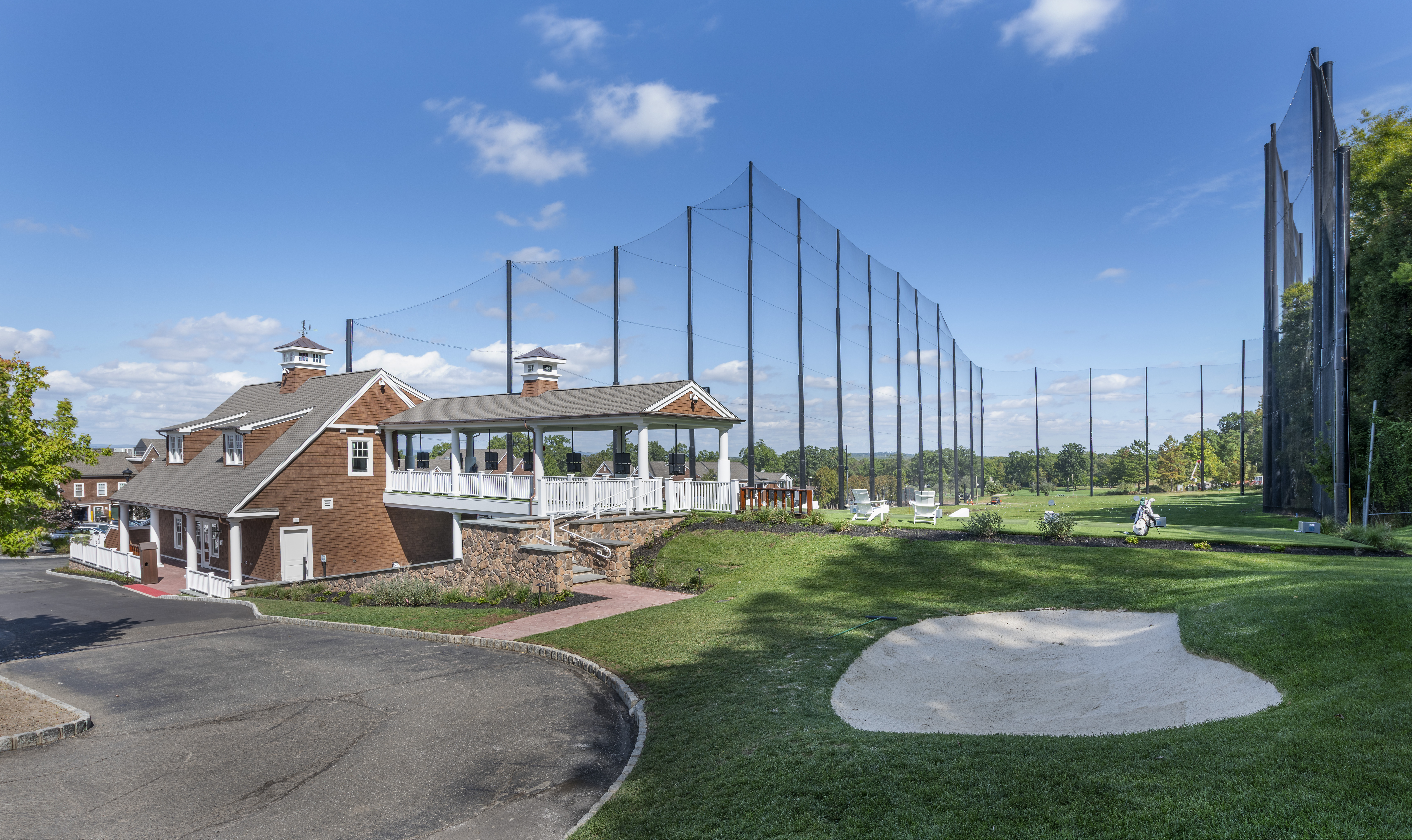
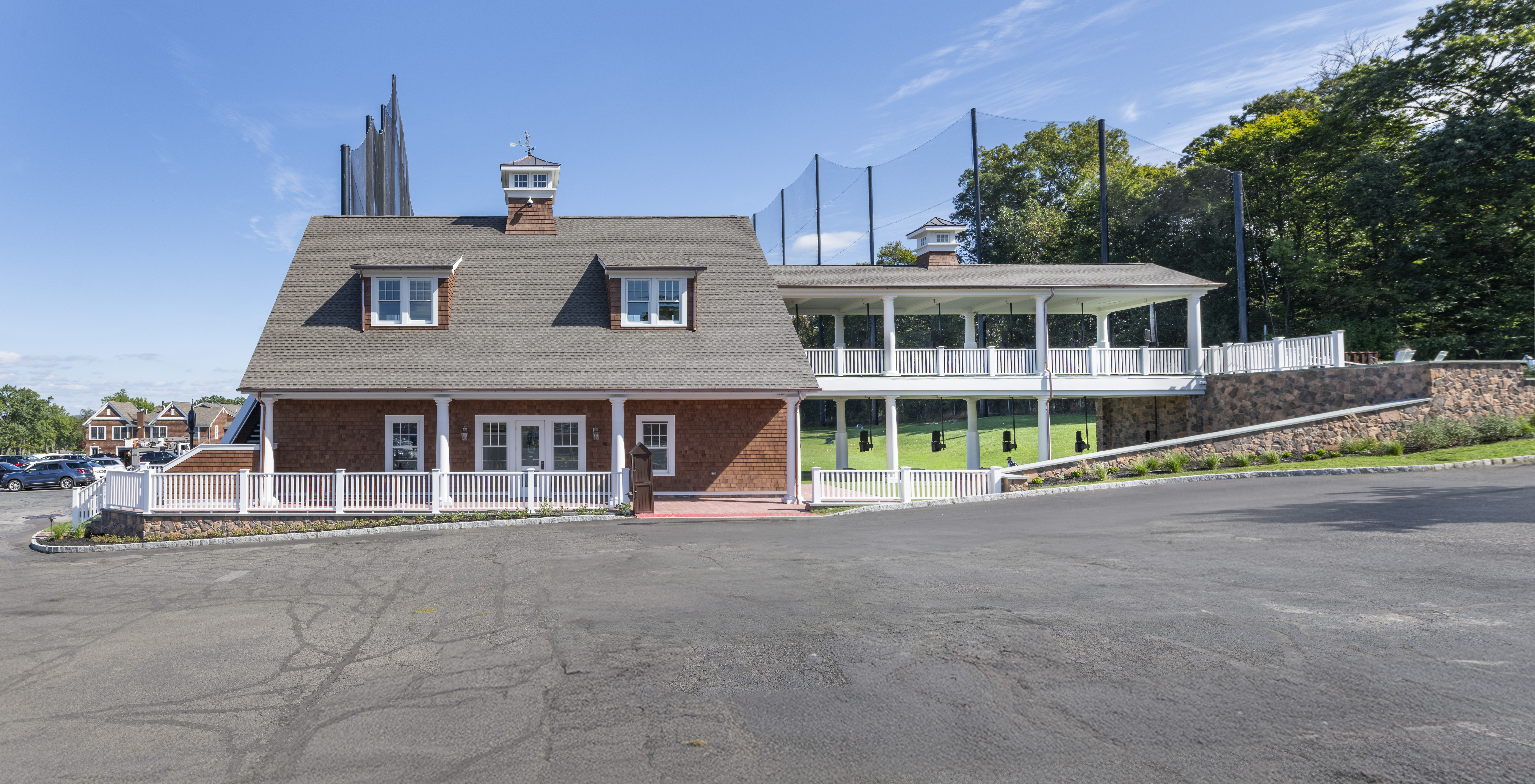
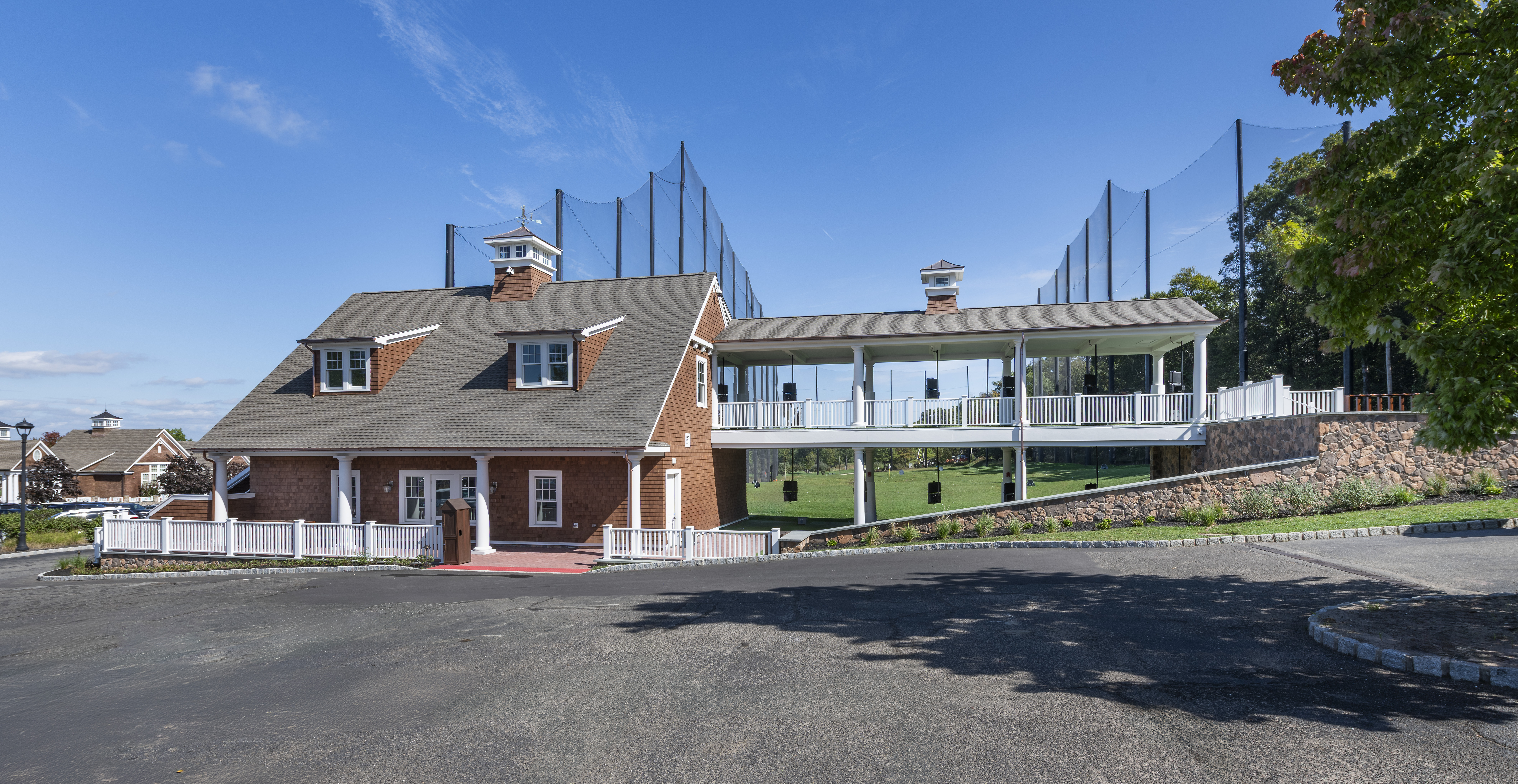
Instruction followed the same upward path. With two private coaching bays, the staff can run more focused sessions.
“Members come in with better information,” Lansinger says. “They understand their numbers, so the conversations are clearer and the progress is faster.”
Club fitting expanded as well. Canoe Brook added more head and shaft systems from major manufacturers and now fits on-site, using the bays for real-time feedback.
“Every person who goes in there sees something that helps them,” Lansinger says. “Many of them walk out with clubs that actually match their swings.”
Junior golf benefited immediately. Weather once forced the club to cancel a notable portion of youth programming. The covered areas now eliminate most of those disruptions.
“We used to cancel junior golf because of rain,” Lansinger says. “Now we don’t. The kids understand the technology and use it in ways that keep them excited about learning.”
Operations continue to evolve. Range staff manage picking and restocking, and Lansinger expects autonomous pickers and nighttime mowers to become part of the long-term plan. Winter hours will be limited to daylight to accommodate neighbors.
“We are still learning how members want to use the space in the colder months,” he says. “That will guide how we staff it and how we program it.”
Winter programming is the next priority. The staff is preparing clinics and themed sessions that will keep golfers engaged even when the courses are quiet.
“If you build opportunities, people will show up,” Lansinger says. “We want to give them reasons to be here in January as well as July.”
General Manager and Chief Operating Officer Albert Costantini frames the project as a direct outcome of member feedback and the club’s long-term facilities plan. Surveys identified a better practice experience as a top priority. The board approved the project, and the club funded it with cash.
“This was part of our strategic plan,” Costantini says. “Members made it clear that they wanted an improved range, and we delivered it without an assessment.”
Early ROI can be seen in usage, instruction volume, and increased fitting activity. Member satisfaction and year-round engagement will shape the long-term impact. Time on property may become the most important indicator, as winter practice often leads to visits to the dining room, the fitness center, and other amenities.
“This was not about attracting new members,” Costantini says. “It was about meeting the expectations of the members we already have and giving them a practice environment that matches the rest of the club.”